How to Prune Culver's root?
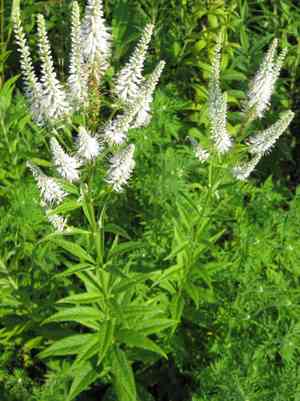
A tall, herbaceous perennial, culver's root is distinguished by its spires of small, tubular blossoms and spear-shaped leaves. For upkeep, trim culver's root down to the soil level in late winter or early spring to stimulate robust development and improve flowering. Removing faded blooms will foster more flowering and deter self-propagation. The best time for trimming is from early spring to late summer, aligning with its growth period. This trimming not only encourages a neater growth pattern but also strengthens the plant's general well-being and boosts its structural soundness.
What Are the Benefits of Pruning Culver's Root?
What Are the Benefits of Pruning Culver's Root?
Trimming culver's root encourages robust development and helps maintain its form, fostering a strong and visually appealing shape. Careful cutting back can result in a healthier specimen with improved resilience.
What Is the Best Time for Pruning Culver's Root?
What Is the Best Time for Pruning Culver's Root?
Early spring is optimal for pruning culver's root as it allows for the removal of dead or damaged stems before new growth starts, which can promote healthier and more vigorous development. This timing also reduces the risk of disease, as the plant's cuts can heal quickly during active growth. Pruning in late summer is advantageous because it follows culver's root's flowering period, which typically occurs from mid to late summer. Trimming after blooming helps maintain plant shape and size, and can encourage a neat appearance throughout the dormant season. It is crucial not to prune too late in the fall as this can stimulate new growth that may not harden off before frost, potentially harming culver's root.
What Tools Do I Need to Prune Culver's Root?
Hand Pruners
Suitable for making clean cuts on the thinner stems of culver's root, which usually do not exceed 1/2 inch in thickness.
Pruning Shears
Ideal for shaping culver's root during the growing season, allowing for precise control over the plant's form.
Bypass Pruners
Recommended for their sharp, curved cutting blade that slices through the plant tissue without causing damage to the stems of culver's root.
Gloves
Essential for protecting the gardener's hands from scratches while handling culver's root, especially when reaching into the plant to make selective cuts.
Cleaning Solution
Important for sterilizing the tools before and after pruning culver's root to prevent the spread of disease among plants.
Garden Scissors
Useful for deadheading spent flowers of culver's root to encourage new growth and maintain plant health.
How to Prune Culver's Root
Step1: Timing for Post-Bloom Trimming
Wait for the appropriate time to trim culver's root, which is typically after flowering in late summer or early fall to promote healthy growth for the following season.
Step2: Preparing Pruning Shears
Prepare your pruning shears by cleaning and sterilizing them to prevent the spread of diseases. Tools should be sharp to make clean, precise cuts.
Step3: Cutting Old Stems at Base
Begin by removing old stems near the base of culver's root. Cut these stems at a 45-degree angle, about 1/4 inch above an outward-facing bud or leaf node to facilitate new growth.
Step4: Deadheading Spent Blooms
Identify dead blooms on culver's root and cut them back to the first set of leaves below the spent flower. This is known as deadheading and it encourages more blooms and maintains the plant's appearance.
Step5: Removing Withered Leaves
Look for withered leaves on culver's root and trim them off at the base to improve air circulation and reduce the risk of disease.
Step6: Shaping and Balancing Plant
Assess the overall shape of culver's root and prune any stems that are out of place for a balanced, natural-looking plant. Avoid over-pruning, as this can reduce the number of flowers and overall vigor of culver's root.
Step7: Cleanup of Pruning Debris
After trimming, clear away all debris from around culver's root to minimize the chance of pests and diseases.
Step8: Watering After Pruning
Water culver's root deeply after pruning to help the plant recover and establish strong new growth.
Step9: Monitoring Plant Health Post-Prune
Monitor culver's root in the following weeks for signs of new growth or any problems, and address as necessary.
Post-Pruning Care for Culver's Root
Post-Pruning Care for Culver's Root
Immediately after pruning, water culver's root thoroughly to reduce transplant shock. Maintain slightly moist soil without overwatering. Place culver's root in a spot with indirect light to facilitate healing. Protect culver's root from extreme temperatures and drafty locations. Fertilize with a balanced, slow-release formula to encourage growth. Regularly inspect culver's root for signs of stress, such as yellowing leaves or wilt, and adjust care accordingly. If infection signs appear, treat promptly with appropriate fungicides or insecticides.
Common Pruning Mistakes with Culver's Root
Excessive Pruning Stresses Plants
Over-pruning, which refers to cutting back culver's root too severely in an attempt to shape the plant or control its size; this can stress the plant and reduce flowering.
Damaged Stems from Dull Tools
Using dull or dirty pruning tools that can damage culver's root's stems and potentially introduce disease to the plant.
Improper Cuts Harm Plant Structure
Pruning indiscriminately without considering the natural shape and growth pattern of culver's root, leading to an unnatural appearance and potential harm to the plant's structure.
Neglected Removal of Dead Stems
Neglecting to remove dead or diseased stems, which can inhibit new growth and healthy flowering in culver's root.
Common Pruning Tips for Culver's Root
Sharp Shears for Clean Cuts
Use sharp, clean pruning shears to make clean cuts on culver's root, which help prevent disease and promote quicker healing.
Selective Thinning for Shape and Health
Prune culver's root to maintain its natural shape and encourage vertical growth by selectively thinning out overcrowded areas, which improves air circulation and light penetration.
Deadheading for More Blooms
Cut back the spent flower spikes of culver's root after blooming to encourage a potential second flush of flowers, ensuring to leave the foliage for photosynthesis and energy storage.
Prompt Disease and Damage Removal
Remove any dead, damaged, or diseased stems at their base to maintain the health and aesthetic appeal of culver's root, doing this at any time as soon as the issue is noticed.



