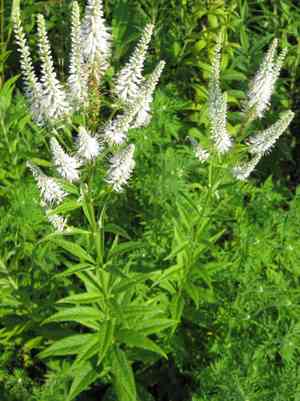
Culver's root (Veronicastrum virginicum)
Also known as: Bowman's root
Culver's root (Veronicastrum virginicum) features striking tall white flower spikes and a pleasant fragrance. It's a favorite among butterflies and bees, bringing vibrant activity to natural gardens. The plant is named in honor of Dr. Culver, who documented its medicinal uses.
In This Article
Attributes of Culver's root
Lifespan
Perennial
Plant Type
Herb
Plant Height
2 m
Spread
45 cm
Leaf Color
Green
Flower Size
2.5 cm
Flower Color
White Pink Purple Blue
Images of Culver's root
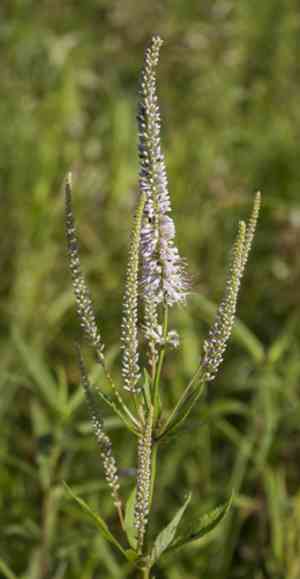
Quickly Identify Culver's root
1
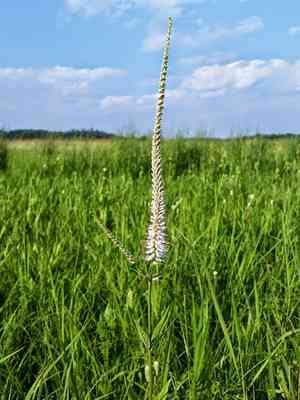
Tall, erect stems reach 4-7 feet (120-210 cm) with delicate, tubular flowers in spires.
2
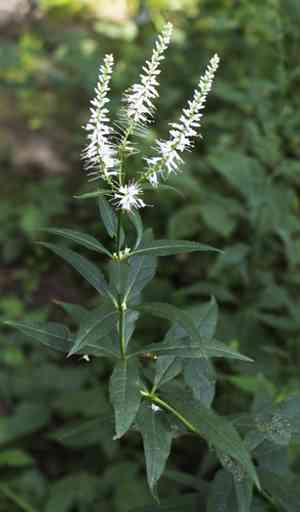
Lance-shaped leaves in whorls encircle the stem, contributing to the plant's elegance.
3
Flowers are tubular, 1/4 inch (0.6 cm) long, in white to pale lavender spikes.
4
Smooth, round stem, 1/2-1 inch (1.3-2.5 cm) in diameter, with minimal branching.
5
Distinct vertical interest, sequential flower blooming, and lack of fragrance enhance visual appeal.
Scientific Classification of Culver's root
Phylum
Vascular plants
Class
Dicotyledons
Order
Lamiales
Family
Plantain
Genus
Veronicastrum
Species
Culver's root
Planting and Growing of Culver's root
Care Difficulty
Easy
Watering Schedule
Every 4 days
Sunlight Requirements
Full sun
Sunshine Duration
6-8 hours
Ideal Temperature
65-75℉
Soil Type
Potting Mix, Peat Mix
Soil pH
6.5-7.5
Fertilizer Type
Balanced
Pruning Season
Spring, Summer
Pruning Area
Branches, Leaves
Pruning Frequency
2 times a year
Repotting Season
Spring
Pot Type
Plastic, Terracotta
 How to Water Culver's root?
For Veronicastrum virginicum, ensure the soil remains consistently moist but not soggy. Watering with approximately 500ml per session is recommended, allowing the water to penetrate deeply and reach the root zone, which promotes healthy root growth.
What are the symptoms of an underwatered Culver's root?
›
What should I do if my Culver's root is not getting enough water?
›
What are the symptoms of an overwatered Culver's root?
›
How to save an overwatered Culver's root?
›
 What Are the Sunlight Requirements for Culver's root?
Veronicastrum virginicum performs best in full sun to partial sun, ideally receiving six to eight hours of light. This ensures robust growth, vibrant blooms, and strengthens the plant against environmental stresses.
More About Sunlight Requirements Techniques→
What is the best light environment for Veronicastrum virginicum?
›
How can I ensure Veronicastrum virginicum gets enough light?
›
What benefits arise from optimal lighting for Veronicastrum virginicum?
›
 What Is the Ideal Temperature Range for Culver's root?
Veronicastrum virginicum thrives best in moderate temperature conditions. The optimal range of 65°F to 75°F provides a balance where the plant can grow robustly without the stress caused by temperature extremes.
 What Soil is Best for Culver's root?
Veronicastrum virginicum thrives in well-drained soil that prevents water from stagnating around its roots. This reduces the risk of root rot and ensures healthy growth by providing aeration and proper nutrient uptake. Rich in organic matter, the soil should supply ample nutrients. This enhances the plant's ability to produce vibrant blooms and robust foliage, contributing to its ornamental appeal. The soil should retain some moisture without becoming waterlogged. This balance supports consistent growth and sustains the plant during dry spells, making it resilient in varying weather conditions.
 How to Fertilize Culver's root?
Veronicastrum virginicum thrives on balanced nutrition without overwhelming its roots. Use a water-soluble fertilizer at a concentration of roughly 1/2 the recommended rate. Ensure the solution is adequately diluted to prevent burning the roots and apply evenly around the soil to facilitate absorption.
 How to Prune Culver's root?
Begin by inspecting the plant for any dead, damaged, or diseased stems that should be removed first. This allows the plant to direct its energy towards healthy growth. Cut these stems back to a healthy node or to the ground. To encourage a fuller and bushier plant, selectively prune some of the stems that are crowding others. Cut these back by a third, which helps to promote branching and a more pleasing shape. While pruning, consider the overall shape you wish to maintain. Veronicastrum virginicum can grow quite tall, so trimming taller stems to match the rest of the plant can maintain an even and attractive appearance.
More About Pruning Techniques→
 How to Propagate Culver's root plant?
1
Begin by sowing Veronicastrum virginicum seeds in trays filled with moist, well-draining seed-starting mix. Cover lightly, keep the medium moist, and provide bright, indirect light to encourage germination, which occurs within 2-4 weeks.
2
In early spring or autumn, select mature, healthy Veronicastrum virginicum plants for division. Water the plants the day before, making it easier to lift and separate the root clumps without causing excessive stress to the plant.
3
Carefully dig up the Veronicastrum virginicum clumps. Use a sharp knife or spade to divide the clumps into smaller sections, each with a healthy root system and shoots. Replant immediately at the same soil depth in a prepared garden bed.
 How to Repot Culver's root plant?
1
Veronicastrum virginicum should be repotted when it shows signs of being root-bound, such as roots emerging from drainage holes or the soil drying out excessively fast. Spring or early summer is ideal to give the plant time to adjust.
2
Select a pot that is one size larger than the current one with good drainage holes. Material can vary, but breathable options like terracotta help prevent waterlogging. This allows the roots to breathe and encourages healthy growth.
3
A well-draining potting mix enriched with organic matter is ideal. Such soil prevents water retention, reducing the risk of root rot, while providing essential nutrients for Veronicastrum virginicum's development and leaf vitality.
Learn More About Culver's root Diseases
Anthracnose
Bacterial Leaf Spot
Bacterial Wilt
Chemical Injury
Crown Gall
Cyst Nematode
Damping-off
Downy Mildew
Drought Stress
Fusarium Wilt
Gray Mold
Leaf Spot
Mosaic
Nutrient Deficiency
Nutrient Toxicity
Powdery Mildew
Root Rot
Root-knot Nematode
Rusts
Sooty Mold
Spider Mites
Temperature Stress
Thrips Damage
White Mold



