The Culver's root Plant Advantage: Maximizing Home and Office Appeal and Wellness
1
Culver's root draws in beneficial insects, making it a great choice for any garden.
2
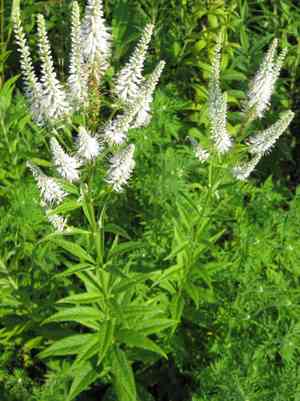
Its tall, graceful flower spikes can boost your garden's aesthetic charm.
3
This plant is easy to care for and thrives in diverse soil and environmental conditions.
Why Incorporate Culver's Root into Your Garden?
Attracts Pollinators
A primary advantage of adding Culver's root to your garden is its capacity to draw in various pollinators, such as bees, butterflies, and hummingbirds. These vital creatures play a key role in the ecosystem by aiding plant reproduction, which in turn supports fruit and vegetable growth. By cultivating Culver's root, you not only beautify your garden but also contribute to ecological sustainability.
Visual Appeal
Culver's root is a visually striking plant that can significantly boost your garden's aesthetic charm. It features tall, graceful flower spikes that blossom from mid-summer to early autumn. The flowers appear in shades of white, pink, and purple, offering a burst of color that can complement diverse garden themes. Its upright and elegant form makes it an excellent choice for adding vertical interest to your landscape.
Cultivating and Caring for Culver's Root
Soil and Light Requirements
Culver's root is remarkably adaptable and can flourish in various soil types, from sandy to clay. However, it prefers well-draining soil enriched with organic matter. Regarding light, Culver's root is equally flexible, thriving in both full sun and partial shade. Ensuring at least 6 hours of daily sunlight guarantees optimal growth and flowering. While it tolerates some shade, excessive shading can lead to fewer blooms.
Watering Needs
A desirable characteristic of Culver's root is its low-maintenance nature. While the plant requires consistent watering, especially during its initial growing season, it becomes drought-tolerant once established. Keep the soil consistently moist but not waterlogged. Overwatering can cause root rot, so it's crucial to find a balance, particularly in the plant's early stages.
Common Problems and Their Solutions
Pests
Culver's root is generally resistant to most pests, though not entirely immune. Aphids and spider mites may occasionally become an issue. Regular inspection and prompt action are vital to prevent an infestation. Introducing beneficial insects like ladybugs or using natural insecticidal sprays can help manage these pests effectively.
Diseases
Powdery mildew and root rot are the most frequent diseases affecting Culver's root. To prevent powdery mildew, ensure adequate air circulation around the plant by avoiding overcrowding. Promptly removing any diseased foliage can also help control its spread. Root rot is typically caused by overwatering, so maintaining proper watering practices is essential for the plant's health.
Optimal Placement for Culver's Root in Your Garden
Borders and Edges
Culver's root can be effectively utilized in garden borders and edges to create a natural, flowing appearance. Its tall structure and colorful blooms make it an ideal candidate for adding height and depth to these areas. When planted in groups, Culver's root can form an impressive visual barrier that defines different sections of your garden.
Mixed Plantings
For a more diverse and vibrant garden, consider integrating Culver's root into mixed plantings with other perennials. It pairs well with plants such as Echinacea, Rudbeckia, and ornamental grasses. These combinations not only enhance visual appeal but also foster a more dynamic and sustainable garden environment. The varied textures and colors can contribute to a more engaging and aesthetically pleasing garden design.
Seasonal Advantages of Culver's Root
Summer Bloom
A key feature of Culver's root is its late-summer flowering. While many plants begin to fade as summer progresses, Culver's root thrives, providing a burst of color when other plants might be wilting. This extended blooming period ensures your garden remains vibrant and beautiful well into autumn.
Winter Interest
Even after the flowering season concludes, Culver's root continues to offer visual appeal. The dried flower spikes and seed heads can add unique texture and structure to your winter garden. Leaving the stalks in place can provide habitats for beneficial insects during colder months and add an architectural element to your landscape.



