How Much Sunlight Do Western vervain Need?
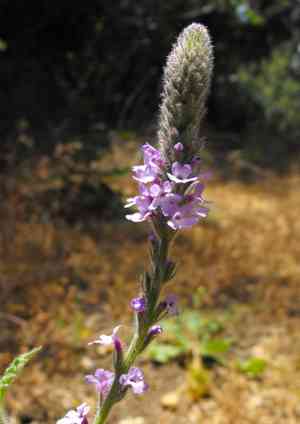
1
Western vervain flourishes optimally with ample sunlight, needing more than 6 hours of direct sun each day.
2
Sufficient light encourages Western vervain to flower more abundantly and keep its vivid leaves.
3
Under conditions of partial shade, Western vervain can endure but might not reach its complete growth capacity.
Optimal Light Requirements for Western vervain
Full Sun Needs
For peak development, Western vervain should be situated where it receives a minimum of 6-8 hours of direct solar exposure daily. This plant thrives on the warmth and illumination from full sun, leading to healthier, more vigorous growth and abundant blooms. Ensuring ample sunlight also boosts its disease resistance.
Partial Sun Alternatives
While Western vervain prefers full sun, it can endure partial sun conditions. If your planting site gets 3-6 hours of sunlight daily, your Western vervain may still grow, though potentially less robustly than those in full sun. Reduced light often results in fewer flowers and sparser foliage. It's best to observe your plant and move it to a brighter spot if needed to maximize its potential.
Determining Proper Sunlight Exposure for Western vervain
Indicators of Sufficient Sunlight
Knowing if your Western vervain receives enough sunlight is vital for its well-being. Look for vibrant, lush green leaves and numerous flowers. Healthy growth in both height and spread, along with an absence of disease, typically signifies adequate sunlight. Under prime sunlight, Western vervain will display strong, upright stems and consistent blooming throughout the season.
Identifying Sunlight Deficiency
Insufficient sunlight in Western vervain can manifest in several ways. Common indicators include elongated stems, fewer blossoms, and pale or yellowing foliage. The plant might also show slow or stunted development. If these symptoms appear, it's a clear sign your Western vervain requires more sunlight. Even a slight repositioning to a brighter area can make a significant difference.
Adjusting Sunlight for Various Growing Environments
Indoor Cultivation Advice
Cultivating Western vervain indoors can be challenging due to its high light demands. However, placing the plant near a south-facing window for bright, direct sunlight is often effective. You might also consider using supplemental grow lights to ensure it gets the necessary illumination. Rotate the plant every few days for even light distribution.
Outdoor Cultivation Recommendations
Planting Western vervain outdoors should ideally be in an area with unimpeded sunlight, such as open gardens or sunny borders. It's crucial to select a spot where the plant can receive sunlight for most of the day. Periodically check for any nearby trees or structures that might begin to cast shade on your plant as they mature or seasons change.
Can Western vervain Withstand Low Light Conditions?
Signs of Stress in Dim Light
In low light, Western vervain often shows stress through dull foliage color, elongated stem growth (indicating it's reaching for more light), and a noticeable reduction in flowering. These stress signals mean the plant is struggling and needs to be moved to a brighter location.
Potential Adjustments for Low Light
If relocating your Western vervain to a sunnier spot isn't possible, you can make some care adjustments. Begin by trimming any surrounding foliage that might be blocking light. Additionally, using reflective surfaces near your plant can help boost available light. Grow lights can also be a practical solution for providing adequate indoor illumination.
Common Sunlight-Related Problems and Remedies
Sunburn in Western vervain
Although Western vervain loves the sun, excessive exposure can cause sunburn. Signs include brown, crispy leaf edges and scorched spots. If you observe these symptoms, try providing some shade during peak sunlight hours or use a light fabric to diffuse the sun's intensity.
Actions for Excessive Sun Exposure
If your Western vervain receives too much sun, leading to stress signs like wilting or sunburn, increase watering frequency to keep the soil moist. Also, consider installing a temporary shade cloth to protect it from intense direct sunlight, especially during midday when the sun's rays are strongest.



