How to Prune Western vervain?
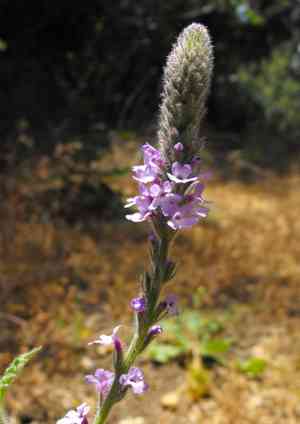
Western vervain, a robust perennial recognized for its small flower clusters and therapeutic attributes, flourishes with judicious trimming. In spring, eliminate any deceased or ailing stalks to foster new development. Throughout the summer, snip off faded blossoms to stimulate further blooming. Pruning excessively late in the season may impede the subsequent year's growth, making precise timing essential. Consistent pruning preserves its form and encourages robust vitality, thereby augmenting its aesthetic and healing contribution to gardens.
What Are the Benefits of Pruning Western Vervain?
What Are the Benefits of Pruning Western Vervain?
Trimming western vervain promotes robust development and helps maintain its form. By eliminating old or dead parts, western vervain can allocate energy to producing strong new shoots and keep a compact structure, which is visually appealing and good for its overall health.
What Is the Best Time for Pruning Western Vervain?
What Is the Best Time for Pruning Western Vervain?
Pruning or trimming western vervain during late spring to early summer is optimal due to the plant's growth cycle and health. This timing follows the end of western vervain's dormant period and allows for the removal of any dead or damaged foliage from winter, stimulating a strong burst of new growth. Additionally, this period precedes the peak flowering season, ensuring that pruning will not negatively affect the plant's blooming and pollination process. Proper pruning during this window will result in a more resilient and healthy plant, capable of resisting pests, diseases, and environmental stresses. This timing also enables gardeners to shape western vervain proactively before it reaches its full summer growth, fostering a more controlled and aesthetically pleasing form.
What Tools Do I Need to Prune Western Vervain?
Hand Pruners (Bypass Pruners)
Perfect for making precise cuts on western vervain's smaller, green stems, which helps prevent damage and illness. Bypass pruners are preferred over anvil pruners as they cut more accurately without crushing the plant tissue.
Lopping Shears
Useful for cutting thicker branches that hand pruners cannot manage. Western vervain may have some stems that are too sturdy for smaller pruners, and loppers provide greater leverage for cutting them cleanly.
Pruning Saw
Essential for cutting through western vervain's woody stems that are too thick for hand pruners and loppers. A pruning saw can handle these with ease, ensuring a clean cut without applying excessive pressure which can harm the plant.
Gloves
Protection for the gardener's hands from thorns and sharp edges while pruning western vervain. This ensures safe and comfortable working conditions.
How to Prune Western Vervain
Disinfect tools
Before pruning western vervain, sanitize all pruning tools with a solution of 1 part bleach to 9 parts water to prevent the spread of disease.
Remove diseased parts
Carefully remove diseased leaves and stems from western vervain by cutting them back to a healthy section, avoiding damage to the surrounding foliage.
Cut withered leaves
Trim off withered leaves near the base without cutting into the healthy tissue to promote new growth in western vervain.
Dispose diseased material
Discard all removed diseased parts of western vervain in a trash bin or burn them to prevent disease spread in the garden.
Clean up
After pruning western vervain, clean the area around the plant to remove any fallen debris and sterilize tools again to ensure they're clean for the next use.
Common Pruning Mistakes with Western Vervain
Overpruning
Removing too much foliage can stress western vervain, weakening its vitality and reducing flowering.
Improper cut location
Cutting too close to the bud can damage it, while cutting too far may leave an unsightly stub that can invite disease.
Using dull tools
Dull pruning tools can cause jagged cuts that harm western vervain and make it more susceptible to disease.
Dirty pruning tools
Not sterilizing pruning tools between uses can spread pathogens to western vervain, leading to infections.
Neglecting health check
Failing to inspect western vervain for health issues before pruning may cause overlook of diseased or damaged areas that need attention.
Ignoring plant shape
Pruning without considering the natural shape of western vervain can lead to a loss of its visual appeal and negatively affect growth.
Common Pruning Tips for Western Vervain
Correct pruning period
Prune western vervain after flowering to encourage a second bloom and tidy up the plant, but avoid the excluded season as it is essential for plant recovery.
Selective pruning
Prune selectively, removing only dead, diseased, or overgrown stems to promote better air circulation and light penetration for western vervain.
Tools preparation
Ensure pruning tools are sharp and sterilized before use to make clean cuts and prevent the spread of diseases to western vervain.
Cutting angle
Make cuts at a 45-degree angle away from the bud to encourage proper water runoff and prevent decay.
Protective growth
Maintain enough healthy stems with growth nodes to ensure western vervain continues to thrive and remains properly shaped after pruning.
Conservation of foliage
Retain enough foliage so western vervain can photosynthesize effectively; avoid cutting more than one-third of the plant's growth.



