How Much Sunlight Do Red feather clover Need?
1
Red feather clover needs a minimum of 6 hours of direct sun each day.
2
Ample sunlight encourages vivid flowering in Red feather clover.
3
Observe the plant frequently for indications of excessive or insufficient light exposure.
Why is Light Essential for Red feather clover?
Photosynthesis and Development
Light is vital for photosynthesis, where Red feather clover transforms light energy into sustenance. This energy is crucial for growth, supplying the plant with necessary nutrients to form robust stems, foliage, and roots. Without adequate light, the plant may become frail and elongated.
Blossoming and Flowering
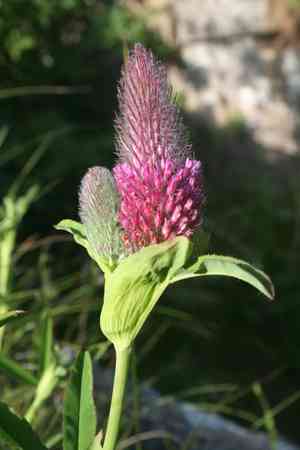
Red feather clover flourishes in light, which encourages blooming. To achieve its distinctive vivid red flowers, the plant requires full sun exposure. Blooms appear more profusely and intensely when the plant receives optimal light.
Illness Prevention
Light helps maintain Red feather clover's health by deterring mold, mildew, and other ailments that thrive in dark, moist conditions. Sufficient light ensures the plant dries properly after watering or rain, lowering the risk of fungal infections.
What are the Optimal Light Conditions for Red feather clover?
Full Sun vs. Partial Shade
Red feather clover prefers full sun but can endure partial shade. Full sun means the plant receives at least 6 hours of direct sunlight daily, which is perfect for its growth and blooming. In partial shade, it may still grow, but flowering might be reduced.
Daily Light Requirements (Hours)
Red feather clover needs a minimum of 6 hours of direct sunlight each day. If the plant doesn't get enough light, it will struggle to thrive and flower effectively. Placing the plant where it gets early morning and midday sun is ideal.
Seasonal Adjustments
Throughout the year, light intensity and duration can fluctuate. In summer, providing some afternoon shade can shield the plant from scorching. During winter, when daylight hours are shorter, ensure the plant still gets sufficient light by repositioning it if possible.
How to Position Your Red feather clover for Maximum Light Exposure?
Selecting the Right Garden Spot
Find a location in your garden where Red feather clover can soak up morning and midday sun, ideally away from large trees or structures that might cast shadows. Open areas are best for maximizing light exposure and promoting vigorous growth.
Utilizing Reflective Surfaces
Boost sun exposure by employing reflective surfaces like light-colored walls or mirrors nearby. These can help direct additional light onto the plant, especially in areas where direct sunlight is limited.
Avoiding Congestion
Ensure your Red feather clover has ample room to grow without being overshadowed by other plants. Overcrowding can block light and reduce air circulation, leading to weaker growth and a higher risk of disease.
What are the Indicators of Improper Light Exposure in Red feather clover?
Signs of Sunburn or Scorch
Excessive light can cause leaf burn, visible as browning or scorching of the foliage. If you observe these symptoms, provide some shade during the hottest part of the day to protect the plant.
Signs of Insufficient Light
If Red feather clover isn't receiving enough light, it might show symptoms like elongated stems, pale leaves, and reduced flowering. These signs indicate the plant is stretching towards the light source and not photosynthesizing efficiently.
Corrective Actions to Take
Adjust the plant's placement to ensure it receives the correct amount of light. If the plant is sunburnt, offer temporary shade and water it adequately. For insufficient light, move the plant to a brighter spot or trim nearby plants that may be casting a shadow.
Can Red feather clover Flourish Indoors?
Mimicking Natural Light
If you wish to cultivate Red feather clover indoors, place it in a location that receives abundant natural light, such as a south-facing window. Ensure it gets at least 6 hours of light.
Employing Grow Lights
Supplement natural light with grow lights if necessary. LED grow lights are a good choice and can help replicate the outdoor light requirements of Red feather clover.
Monitoring Indoor Light Exposure
Continuously monitor the light levels and adjust as needed. Use a light meter to confirm the plant is getting sufficient light or reposition the grow lights to optimize exposure.



