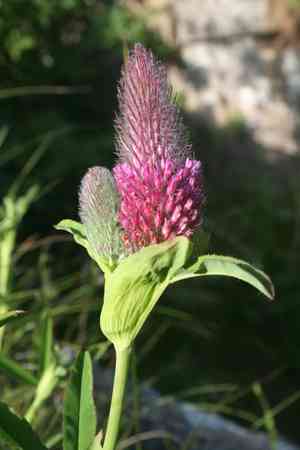
Red feather clover (Trifolium rubens)
Also known as: Red trefoil
Red feather clover is cherished in wildlife gardens due to its striking red and pink blooms, which draw in a variety of pollinators such as bees, butterflies, and birds. Unlike many other clover species, it is non-invasive, making it a safe and attractive option for supporting local wildlife.
In This Article
Attributes of Red feather clover
Lifespan
Perennial
Plant Type
Herb
Plant Height
45 cm to 60 cm
Spread
50 cm to 1 m
Leaf Color
Blue Green
Flower Size
2.5 cm
Flower Color
White Red Purple Pink Gray Silver
Images of Red feather clover
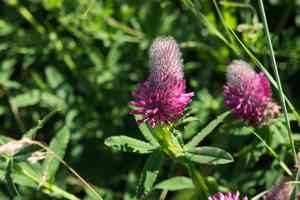
Quickly Identify Red feather clover
1
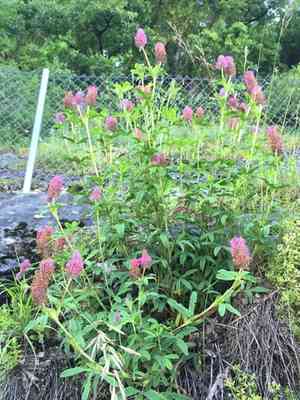
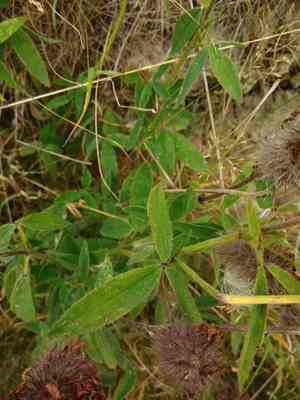
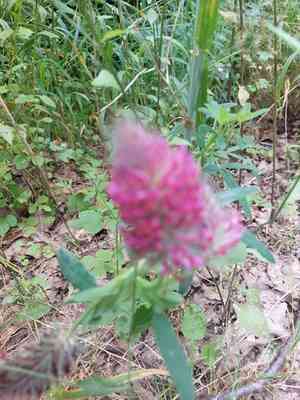
To identify Trifolium rubens, look for its tall spikes, which can reach up to 60 cm in height, and densely packed, rosy-pink to purple flowers. The leaves are compound and trifoliate, with each leaflet having a distinctive oval shape and a slightly hairy texture. The stems are also somewhat hairy and can grow upright or slightly sprawling.
Scientific Classification of Red feather clover
Phylum
Vascular plants
Class
Dicotyledons
Order
Fabales
Family
Legume
Genus
Clovers
Species
Red feather clover
Planting and Growing of Red feather clover
Care Difficulty
Easy
Watering Schedule
Every 3 days
Sunlight Requirements
Full sun
Sunshine Duration
6-10 hours
Ideal Temperature
60-75℉
Soil Type
Potting Mix, Peat Mix
Soil pH
6.5-7.5
Fertilizer Type
Balanced
Pruning Season
Spring, Summer
Pruning Area
Branches, Leaves
Pruning Frequency
2 times a year
Repotting Season
Spring
Pot Type
Plastic, Ceramic
 How to Water Red feather clover?
When watering Trifolium rubens, it's essential to provide enough moisture to penetrate the root zone without leaving the soil waterlogged. Aim for approximately 250 ml per session, ensuring that the soil is evenly moist but not saturated. This mimics the plant's natural environment and promotes healthy growth.
What are the symptoms of an underwatered Red feather clover?
›
What should I do if my Red feather clover is not getting enough water?
›
What are the symptoms of an overwatered Red feather clover?
›
How to save an overwatered Red feather clover?
›
 What Are the Sunlight Requirements for Red feather clover?
Trifolium rubens ideally enjoys full sun or partial sun: at least 6 hours of daily sunlight ensures robust growth, vibrant blooms, and resistance to pests and diseases.
More About Sunlight Requirements Techniques→
What type of sunlight does Trifolium rubens prefer?
›
How can I ensure Trifolium rubens gets the ideal light?
›
Benefits of proper lighting for Trifolium rubens?
›
 What Is the Ideal Temperature Range for Red feather clover?
The ideal temperature range for Trifolium rubens, between 60°F and 75°F, ensures optimal growth and flowering. In this range, the plant can perform photosynthesis efficiently, leading to healthy foliage and vibrant blooms. Deviations from this range might hinder growth and result in poor flower production.
 What Soil is Best for Red feather clover?
Trifolium rubens thrives in nutrient-rich soil which supports its robust growth and vibrant flowering. The presence of organic matter enhances soil fertility by providing essential nutrients, thus boosting the plant's health and vitality. This plant grows best in well-drained soil to prevent root rot and other moisture-related issues. Ample drainage allows excess water to escape, maintaining an optimal moisture level that is crucial for Trifolium rubens' healthy root development. Trifolium rubens favors soil with moderate moisture retention to sustain its water needs without becoming waterlogged. This balance supports steady growth by ensuring roots have consistent access to moisture while avoiding saturation.
 How to Fertilize Red feather clover?
For Trifolium rubens, the ideal fertilizer amount should be modest and well-measured. Use a balanced liquid fertilizer diluted to half the recommended strength, ensuring not to overwhelm the soil with nutrients.
 How to Prune Red feather clover?
Begin by identifying the longest, leggiest stems and trim them back to an outward-facing leaf bud. This encourages outward growth and helps maintain a more balanced and rounded shape. Cutting just above a bud encourages bushier growth and an abundance of blooms in the next growing season. Remove faded or spent flowers regularly throughout the blooming season. This not only keeps the plant looking tidy but also channels energy into producing more flowers rather than seed formation. Deadheading is crucial for prolonging the blooming period and stimulating new floral growth. In late autumn, after the plant has finished flowering, cut back the stems to about a third of their height. This pruning helps protect the plant from winter damage and reduces the risk of disease over the cold months. It's vital to perform this before the first hard frost sets in.
More About Pruning Techniques→
 How to Propagate Red feather clover plant?
1
Choose robust and disease-free Trifolium rubens plants to ensure the cuttings or seeds taken from them will be vigorous and grow successfully.
2
Prepare a well-draining propagation medium using a mix of sand and peat. This medium provides support and retains moisture to aid in the root development process.
3
Carefully place seeds or cuttings in the prepared medium. Water gently but thoroughly, ensuring the medium is moist but not waterlogged, which could lead to rot.
 How to Repot Red feather clover plant?
1
Trifolium rubens should be repotted when you notice the roots outgrowing the current pot or when the plant seems to be stunted in growth. A clear signal is when water drains too quickly after watering, indicating dense root growth taking up space that should be occupied by soil.
2
Select a pot that is one size larger than the current one, ensuring it has drainage holes at the bottom. A slightly larger pot prevents excessive water retention while providing enough space for root expansion. Using a pot that is too large may lead to water-logging issues.
3
Use a well-drained potting mix that retains some moisture but allows free drainage, such as a mix with perlite or sand. This ensures that the roots remain aerated and reduces the risk of root rot, promoting healthy plant growth.



