How to Propagate Red feather clover?
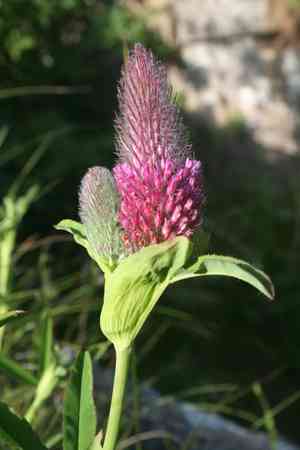
A member of the legume family, red feather clover is recognized for its appealing, extended scarlet blossoms. This plant flourishes when reproduced through stem sections. Cultivators ought to choose robust, non-blooming stems for this procedure. Cuttings must be made with a keen, sterilized instrument to guarantee a precise cut, which assists in effective root formation. Dipping the bottom of the cuttings into a rooting compound can boost the probability of successful growth, subsequently allowing them to be positioned in adequately draining substrate with steady hydration. Perseverance is crucial, as root systems may require multiple weeks to emerge.
Optimal Time for Red Feather Clover Propagation
Propagation Method
Cutting
Propagation Period
Spring,Summer
Tools for Red Feather Clover Propagation
Sharp Pruning Shears
These are vital for taking clean, precise cuttings from red feather clover. Sharp blades ensure a smooth, non-jagged cut, which prevents plant harm and aids rooting. Precision allows for a clean cut just below a node, ideal for encouraging root growth.
Rooting Hormone
This encourages root development at the cut end of red feather clover cuttings. Dipping the cutting's base into rooting hormone increases the chance of successful rooting, crucial for the plant's future health. Rooting hormones significantly boost rooting speed and success.
Sterile Potting Mix
Using a sterile potting mix is essential to prevent disease and fungal infections while red feather clover cuttings root. A well-draining, nutrient-rich mix offers an ideal environment for new roots, providing support and necessary nutrients for initial growth.
Small Pots or Trays
These containers are used for placing prepared cuttings. Small pots or trays filled with sterile potting mix create a controlled environment, important for keeping red feather clover cuttings stable and protected as they develop roots.
Plastic Covers or Mini Greenhouses
Maintaining humidity around red feather clover cuttings is vital for their survival and growth. Plastic covers or mini greenhouses help retain air moisture, preventing delicate new cuttings from drying out before they can establish roots.
How to Propagate Red Feather Clover
Propagation Difficulty
Easy
Caring for Newly Propagated Red Feather Clover
Caring for Newly Propagated Red Feather Clover
After propagation, place new red feather clover plants in full sun to partial shade and water when the top inch of soil feels dry. Red feather clover prefers well-drained soil and moderate watering to prevent root rot. Fertilize lightly during the growing season, and deadhead spent blooms for continuous flowering. Once established, reduce watering frequency as red feather clover is relatively drought-tolerant.
Common Errors to Avoid When Propagating Red Feather Clover
Overwatering
Gardeners might assume red feather clover needs constant moisture due to its appearance, leading to overwatering. This can cause root rot, a fungal disease thriving in overly moist conditions, damaging the root system and hindering growth.
Soil compaction
Using overly heavy or compacted soil can restrict root growth in red feather clover, as it prefers well-draining soil. Compaction reduces air pockets needed for root respiration and can lead to waterlogging.
Ignoring light requirements
Assuming red feather clover will thrive in full shade just because it's a clover species could hinder its growth. Red feather clover needs a good balance of sun and partial shade to flourish; not meeting this requirement can result in a leggy plant with fewer blooms.
Inadequate division technique
When propagating red feather clover by division, a common error is failing to ensure each division has an adequate root system and top growth to survive independently. Poor division can stress plants, leading to unsuccessful propagation or plant death.
Tips for Propagating Red Feather Clover
Adequate drainage
Ensure red feather clover is planted in well-draining soil. Amend heavy soils with organic matter to improve drainage and prevent waterlogging, enhancing root health and promoting vigorous growth.
Soil fertility
Prioritize soil fertility for red feather clover by incorporating well-rotted compost into the planting area. This provides essential nutrients and improves soil structure, encouraging robust root development and abundant flowering.
Balanced sunlight
Position red feather clover in an area receiving full sun to partial shade. This balance promotes healthy foliage and maximizes flowering potential without the stress of excessive heat.
Proper division
When dividing red feather clover, ensure each new plant has sufficient roots and shoots. Dividing during the active growth season ensures quick recovery and successful establishment of the divisions.



