How to Prune Red feather clover?
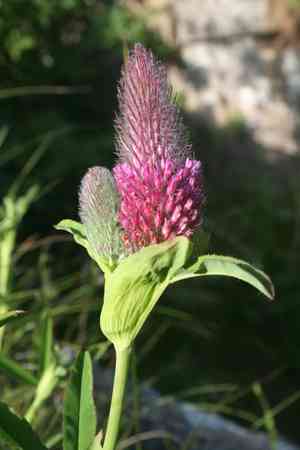
Red feather clover, a perennial legume, enhances gardens with its decorative crimson flowers. Trimming should concentrate on eliminating faded blooms and shortening foliage to foster denser development. Optimal times for pruning are late spring or early summer to encourage ongoing flowering, and once more in autumn to ready the plant for its dormant phase. For red feather clover specifically, pruning can incite a subsequent wave of blossoms and boost the plant's robustness. Accurate cuts additionally aid in preserving its aesthetic charm and, if preferred, deter self-propagation.
What Are the Benefits of Pruning Red Feather Clover?
What Are the Benefits of Pruning Red Feather Clover?
Trimming red feather clover promotes abundant flowering, maintains a compact shape, and stimulates robust development, leading to a healthier and more attractive plant.
What Is the Best Time for Pruning Red Feather Clover?
What Is the Best Time for Pruning Red Feather Clover?
Pruning red feather clover in Spring is optimal for encouraging new growth, shaping the plant, and maintaining health by removing dead or damaged foliage after winter dormancy. Late Summer pruning can be used to remove spent flowers, which encourages a second bloom and prevents self-seeding if desired. Early Fall trimming is suitable for tidying up the plant and preparing it for winter, but should be done well before frost to allow cuts to heal. These seasons ensure the plant's energy is directed to desirable growth while avoiding stress during the extreme temperatures of midsummer or the dormancy period of late fall and winter.
What Tools Do I Need to Prune Red Feather Clover?
Hand Pruners
Perfect for deadheading red feather clover and cutting back stems, as they provide a clean cut that promotes healthy regrowth. Hand pruners come in bypass and anvil styles, with bypass being preferable for live plant material due to their scissor-like action.
Gardening Gloves
Hand protection when pruning red feather clover, as some individuals may experience skin irritation from plant sap or wish to avoid thorns, if present.
Pruning Snips
Excellent for precise trimming and shaping of red feather clover. Their smaller blades are designed for reaching into dense foliage without harming adjacent stems and leaves.
Garden Shears
Suitable for trimming and shaping larger areas of red feather clover more efficiently. They are less precise than snips but are good for quick maintenance tasks.
How to Prune Red Feather Clover
Disinfect Tools
Before beginning, clean and sanitize all pruning tools to prevent the spread of diseases to red feather clover.
Remove Diseased Leaves
Carefully inspect red feather clover for diseased leaves. Using sharp pruning shears, snip off the affected leaves at the base, being cautious not to harm healthy tissue.
Trim Withered Leaves
Identify any withered leaves on red feather clover. Gently remove them by either pinching them off with your fingers or using pruning shears to cut them close to the stem.
Deadhead Withered Flowers
Deadhead the withered flowers to promote new growth. Cut back the spent flower stems of red feather clover to just above a new leaf or bud using pruning shears.
Cleanup
After pruning red feather clover, collect and dispose of all the trimmed parts to prevent any disease from spreading and ensure a clean growing environment.
Common Pruning Mistakes with Red Feather Clover
Overpruning
Removing too much foliage at once can stress red feather clover, potentially leading to reduced vigor and sparse flowering.
Cutting Too Close
Pruning too close to the main stem or crown can injure red feather clover, making it susceptible to diseases and pests.
Neglecting Tools
Using dull or dirty pruning tools can result in uneven cuts and spread diseases between plants.
Common Pruning Tips for Red Feather Clover
Selective Thinning
Remove only the necessary stems to maintain shape and promote air circulation, ensuring healthy growth of red feather clover.
Post-Bloom Trimming
Cutting back spent flowers encourages red feather clover to produce more blooms and can prolong the flowering season.
Sterilize Tools
Clean and disinfect all pruning tools before and after use to minimize the risk of disease transmission to red feather clover.



