How Much Sunlight Do Toad lily Need?
1
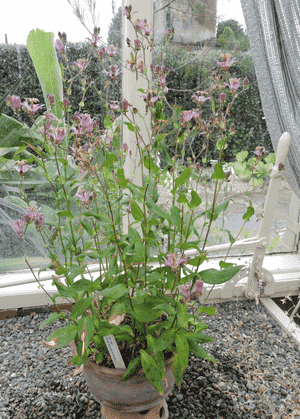
Toad lilies flourish most effectively in areas with dappled light, ideally receiving around 3-6 hours of direct sun each day.
2
Too much sun exposure can scorch their leaves, whereas insufficient light might impede their flowering.
3
Employing shade coverings can shield Toad lilies from strong solar radiation, particularly in the height of summer.
Understanding Sunlight Requirements for Toad lily
Natural Habitat and Light Conditions
In their native environment, Toad lilies thrive in forest areas, receiving speckled sunlight. These plants naturally develop beneath tree canopies, getting filtered light that is neither overly harsh nor too dim. This setting replicates partial shade conditions, making it crucial to duplicate similar light conditions in your garden to guarantee optimal growth for your Toad lilies.
Optimal Light Levels for Toad lily Growth
For vigorous development, aim to provide your Toad lilies with approximately 3-6 hours of sunshine daily, ideally in the morning. Morning light is less intense and aids in the initial stages of the plant's energy absorption through photosynthesis. Maintaining equilibrium is vital; excessive direct sunlight can cause leaf scorching, while insufficient light can lead to poor blooming and leggy stems.
Types of Sunlight for Toad lily
Full Sun vs. Partial Shade
Toad lilies thrive best in partial shade conditions. Full sun, defined as over 6 hours of direct sunlight, can be too intense for these delicate plants, resulting in scorched leaves and stressed development. Ideally, they should be positioned in spots that receive morning sun but are protected from the intense afternoon heat.
Morning Sun vs. Afternoon Sun
Morning sunlight is gentler and cooler, ideal for Toad lilies. It supports photosynthesis without overpowering the plant. Conversely, afternoon sunlight is considerably stronger and can be damaging if the plant is exposed for too long, leading to heat stress and dehydration. This is why positioning your plant to receive adequate morning light while being shielded during the hot afternoon hours is essential.
Signs Your Toad lily is Getting Too Much or Too Little Sun
Symptoms of Excess Sunlight Exposure
When exposed to excessive sunlight, Toad lilies display clear signs of distress. These include browned and brittle leaf edges, wilting foliage, and stunted development. The leaves might also develop sunburn spots, indicating too much sun. If you observe these symptoms, it's crucial to relocate your plant to a shadier spot or provide some cover.
Indicators of Insufficient Sunlight
A lack of sunlight impacts Toad lilies differently. You might notice the plants becoming elongated, stretching towards any available light. There may be fewer blossoms, and overall growth can be slow. The leaves might also yellow as the plant struggles to photosynthesize effectively. In such instances, moving the plant to a brighter location or pruning back nearby foliage blocking light can be beneficial.
Adjusting Sunlight for Your Toad lily
Choosing the Right Location in Your Garden
Selecting the perfect location in your garden is paramount for the health of your Toad lily. Seek out spots with filtered sunlight, such as beneath a tree, next to taller plants, or near a structure that offers partial shade during the peak afternoon sun. You may need to experiment with various spots to discover the ideal balance of light and shade.
Using Shade Cloths or Light Filters
If your garden lacks naturally shaded areas, consider employing shade cloths or light filters. Shade cloths can be draped over supports to lessen the intensity of sunlight reaching your plants. Light filters, such as trellises or arbors, can also effectively create dappled sunlight conditions that mimic the natural environment of Toad lilies.
Seasonal Changes in Sunlight and Their Impact on Toad lily
Adapting to Seasonal Variations
As the seasons transition, so do the sun's position and intensity. During spring and fall, sunlight is milder, which is generally beneficial for Toad lilies. However, in the summer, you might need to provide extra shade or move potted Toad lilies to cooler areas. Monitoring these changes and adjusting accordingly can help maintain plant vitality.
Protecting Your Plant During Extreme Weather
Extreme weather conditions can pose challenges for Toad lilies. In summer, excessive sun and heat can stress the plants, while in winter, reduced sunlight can hinder growth. During such times, consider temporary measures like bringing pots indoors or using protective covers to shield them from harsh conditions. Monitoring weather forecasts and taking preventative actions ensures your Toad lilies remain healthy year-round.



