How to Prune Toad lily?
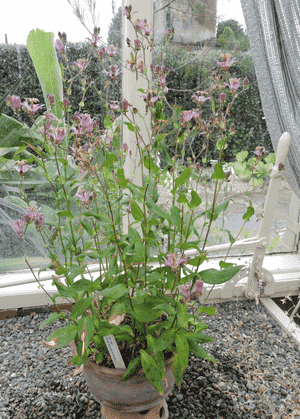
The toad lily, with its distinctive speckled blossoms reminiscent of orchids, introduces an unusual beauty to shaded garden areas. The best times for trimming are in spring to eliminate winter-related harm, in summer to remove spent flowers and preserve its form, and in autumn for general tidying. Trimming the stalks post-flowering boosts the plant's health and visual appeal. Pruning ought to be light, given the toad lily's somewhat fragile nature. Thoughtful cuts aid in preventing diseases by enhancing air movement among the leaves.
What Are the Benefits of Pruning Toad Lily?
What Are the Benefits of Pruning Toad Lily?
Trimming toad lily is vital because it promotes abundant flower production, maintains a desired shape, and revitalizes toad lily for more vigorous growth, ensuring a healthier and more attractive specimen.
What Is the Best Time for Pruning Toad Lily?
What Is the Best Time for Pruning Toad Lily?
Pruning toad lily in early spring is advantageous as it occurs just before the active growth period when the plant hasn't heavily invested in new leaves or flowers. This allows for shaping and size management of toad lily without impeding its blooming potential. Late summer pruning should be performed after toad lily has bloomed to preserve its appearance and stimulate future flowers, while avoiding stress during peak flowering. In fall, selective cutting back can be done to remove any dead or diseased foliage, helping toad lily prepare for dormancy and enhancing overall plant health and disease resistance.
What Tools Do I Need to Prune Toad Lily?
Bypass Pruners
Essential for making clean cuts on toad lily's thinner stems, perfect for removing spent flowers and thinning out.
Gardening Gloves
Necessary to shield hands from thorns and sap when handling and trimming toad lily.
Pruning Saw
Useful for mature toad lily specimens with thicker stems that require more substantial cutting.
Secateurs
Recommended for precise cuts on toad lily for shaping and managing growth.
Shears
Suitable for trimming toad lily's foliage when shaping the plant or removing larger sections of dead leaves.
How to Prune Toad Lily
Remove Diseased Leaves
Identify any leaves on toad lily that show signs of illness. Gently remove these leaves using clean, sharp pruning shears or scissors. Make each cut close to the base of the leaf stem, being careful not to harm nearby healthy growth.
Trim Withered Leaves
Examine toad lily for any leaves that have wilted or turned brown. Carefully trim these leaves back to the base of the stem, using the same clean and sharp tools. Prune these dead leaves to maintain plant health and encourage new growth.
Deadhead Withered Flowers
Locate spent or withered flowers on toad lily. Use pruning shears or scissors to snip the flower stems just above the topmost leaf below the withered flower. This deadheading process encourages toad lily to focus energy on new blooms and overall vitality.
Cleanup
Dispose of all removed material from toad lily immediately to prevent the spread of any potential diseases. Clean up all plant debris from the surrounding area to maintain a tidy garden space.
Tool Care
Clean and sanitize your pruning tools after finishing with toad lily to ensure they are ready for future use and to prevent the transmission of any plant diseases to other plants in your garden.
Common Pruning Mistakes with Toad Lily
Overpruning
Trimming toad lily too aggressively is a frequent mistake. Removing more than one-third of the plant can stress toad lily and lead to reduced vigor and fewer blooms.
Improper Cut Locations
Cutting toad lily in the wrong places can damage the plant. Avoid making cuts on the main stems far from a branching point or node, which can result in uneven growth or disease entry points.
Using Dull Tools
Pruning toad lily with dull tools can cause jagged cuts that heal poorly, increasing the risk of infection and disease.
Neglecting To Prune
Failing to prune toad lily at all can lead to a plant that is leggy, overgrown, and underperforming in terms of flowering. Light pruning ensures better air circulation and can rejuvenate the plant.
Pruning Into Old Wood
Trying to prune into old, woody stems can result in non-productive cuts, as toad lily blooms on new growth. It's important to understand the growth pattern before pruning.
Removing The Wrong Growth
Eliminating healthy, vibrant growth instead of just the dead or damaged stems will weaken toad lily unnecessarily.
Common Pruning Tips for Toad Lily
Sanitized Tools
Always use sanitized tools to prune toad lily to prevent the spread of disease. Disinfect blades before moving on to another plant or if you suspect disease.
Targeted Pruning
Focus on removing dead, diseased or damaged stems first. Lightly prune overgrown areas to maintain the natural shape and size of toad lily.
Cut Angle
Make clean, angular cuts just above the nodes or branching points to encourage new growth in toad lily without leaving unnecessary stubs.
Spring Pruning
While the best season for pruning isn't discussed here, align pruning practices with toad lily's growth cycle to avoid disrupting its development.
Monitor Growth
Regularly monitor toad lily for growth patterns, adapting your pruning technique to encourage healthy, balanced growth and abundant flowering.
Mulching After Pruning
After pruning toad lily, apply a layer of mulch around the base to help maintain moisture and protect the roots, especially if stems have been cut back significantly.



