How to Propagate Toad lily?
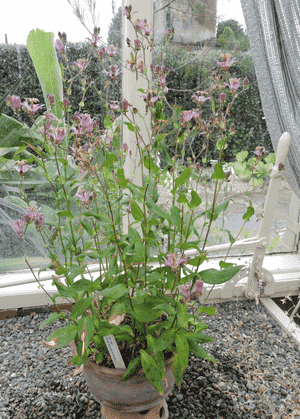
A member of the Liliaceae family, the toad lily can be multiplied by dividing its rhizomes, a technique perfectly aligned with its natural development. Gently separating the rhizomes while the plant is inactive leads to more robust, thriving new growths, which should then be transplanted into adequately draining soil under dappled light. Applying a rooting stimulant can improve the chances of success, ensuring an ideal mix of hydration and air circulation. Consistent inspection for infestations and ailments is vital for the flourishing of the young plants.
Optimal Period for Toad Lily Propagation
Propagation Method
Utilize The Tubers
Propagation Period
Spring
Tools Required for Toad Lily Propagation
Sharp, sterile knife or scissors
Essential for precise cutting and division of toad lily tubers. These instruments prevent tissue damage, reducing disease risk and promoting healthy regrowth. Sharpness and sterility are vital for clean cuts and avoiding pathogen introduction.
Garden fork or spade
Used for carefully extracting toad lily tubers from the soil. A garden fork or spade helps minimize harm to roots and tubers during removal, crucial for propagule viability.
Potting medium
Offers a clean and nutrient-rich environment for newly propagated toad lily tubers. A quality potting mix supports robust root development and lessens the chance of soil-borne illnesses.
Rooting hormone (optional)
Can be applied to cut surfaces of toad lily tubers to encourage root growth and boost propagation success. This is particularly useful if tubers naturally root slowly.
Watering can with a gentle spray
Ensures newly planted toad lily tubers receive adequate moisture without becoming waterlogged. A soft spray aids in even water distribution, vital for new growth establishment from tubers.
Labeling materials
Important for noting the propagation date and specific cultivar details of toad lily. Labeling assists in growth monitoring and organization, especially when propagating multiple varieties or species.
Post-Propagation Care for Your Toad Lily
Post-Propagation Care for Your Toad Lily
Once toad lily has been propagated and new growth emerges, continue providing bright, indirect light and maintain a consistent watering schedule. Enhance growing conditions with a balanced, slow-release fertilizer during the active growth phase. Ensure high humidity and well-draining soil to prevent root rot. Be cautious with cold temperatures, as toad lily prefers warmer climates. Monitor for pests or diseases and treat promptly to maintain plant health.
Common Errors to Avoid When Propagating Toad Lily
Overwatering
Propagating toad lily requires maintaining appropriate moisture levels without excessive watering. Too much water can lead to root rot, hindering healthy root system development in young plants.
Deep planting
When dividing toad lily rhizomes for propagation, planting them too deeply can result in poor sprouting. Shallower planting is more suitable for these rhizomes to ensure successful growth.
Neglecting humidity
Toad lily cuttings need a high-humidity environment to root effectively. Ignoring this can cause cuttings to dry out and fail to establish roots.
Using unsterilized tools
Propagating toad lily with unsterilized tools can introduce pathogens, leading to disease in cuttings or new plants.
Inadequate soil preparation
Using an unsuitable soil mix can prevent toad lily from developing a strong root system. Soil that drains poorly will retain moisture around the roots, increasing the risk of rot.
Advice for Propagating Toad Lily
Optimal cutting conditions
Ensure cuttings are healthy and taken from robust parts of toad lily. Cuttings should have at least one node and two leaves for maximum rooting potential.
Moisture control
Keep the soil consistently moist but not saturated when propagating toad lily to prevent root rot while providing sufficient hydration for growth.
Humidity and warmth
Create a miniature greenhouse effect by covering the propagated toad lily with a clear plastic bag to maintain humidity and warmth, crucial for root development.
Sterilize equipment
Always use disinfected tools when cutting or dividing toad lily to prevent the spread of diseases that could negatively impact propagation success.
Well-draining soil mix
Utilize a soil mix that provides excellent drainage for the healthy growth of toad lily. A blend of peat, perlite, and organic matter is ideal for supporting new growth.



