The Toad lily Plant Advantage: Maximizing Home and Office Appeal and Wellness
1
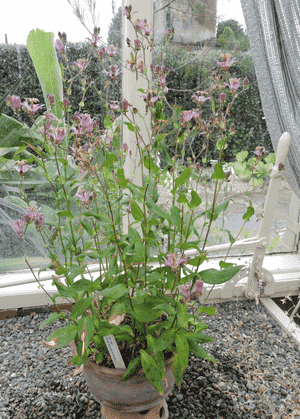
The toad lily is recognized for its beautiful orchid-like blossoms that appear in late summer.
2
This species flourishes in shaded environments, making it ideal for garden spots with minimal sun exposure.
3
Toad lily blooms draw in pollinators, thereby boosting garden ecological variety.
Why Select Toad Lily for Your Garden?
Distinctive Visual Charm
A prominent characteristic of Toad lily is its singular and exotic-looking blossoms. These flowers frequently display intricate designs and hues reminiscent of orchids, making them a remarkable addition to any garden. Their late summer bloom period ensures your garden stays vibrant and colorful when many other plants have already finished flowering.
Shade Adaptability
Gardeners often struggle to find appealing plants that flourish in shaded areas. Toad lily effortlessly resolves this issue. This plant thrives in partial to full shade, making it perfect for spots receiving limited direct sunlight. Planting Toad lily in these locations can transform dull, lifeless areas into lush, shaded havens.
How Does Toad Lily Benefit the Garden Ecosystem?
Attracting Pollinators
The vivid flowers of Toad lily are not just ornamental; they also fulfill a vital ecological role by drawing in pollinators like bees and butterflies. These pollinators are crucial for maintaining your garden's health by assisting in the reproduction of flowering plants. By cultivating Toad lily, you contribute to a flourishing ecosystem.
Low Maintenance
Toad lily is a relatively easy-to-care-for plant, making it an excellent choice for new gardeners or those seeking to add beauty without extra effort. Once established, it requires minimal watering and attention, reducing the need for constant oversight. This resilience makes Toad lily an appealing option for busy gardeners.
Advice for Planting and Caring for Toad Lily
Optimal Soil Conditions
Toad lily prefers well-draining, humus-rich soil. When planting, ensure the soil is moist but not waterlogged to prevent root rot. Incorporating organic matter or compost can enhance soil structure and fertility, providing an ideal environment for optimal growth.
Watering and Fertilizing
While Toad lily is somewhat drought-tolerant, it flourishes best with consistent watering, especially during dry periods. However, avoid over-watering as it can lead to root diseases. Fertilize lightly in the spring using a balanced garden fertilizer to encourage healthy growth and abundant blooming.
Common Problems and Their Solutions
Pests and Diseases
Like all garden plants, Toad lily can be susceptible to pests and diseases. Common issues include slug and snail damage, particularly on young shoots. Implementing organic pest control methods, such as diatomaceous earth or copper barriers, can safeguard your plants. Additionally, regularly check for signs of fungal infections and treat promptly with appropriate fungicides if necessary.
Winter Preparation
To ensure Toad lily survives winter, especially in colder climates, consider mulching around the plant's base. This insulates the roots and retains soil moisture during freezing temperatures. In extremely cold regions, additional protective measures like covering with frost cloth can be taken to shield the plants from harsh winter conditions.



