How Much Sunlight Do Sugar-scoop Need?
1
Sugar-scoop flourishes optimally in filtered light, getting 3-6 hours of sun exposure.
2
Early day sun is advantageous for Sugar-scoop, assisting in preserving its vivid foliage hue.
3
Refrain from positioning Sugar-scoop in intense, unshaded sunlight, as this may lead to leaf burn.
Understanding the Light Requirements of Sugar-scoop
Natural Habitat and Native Growing Conditions
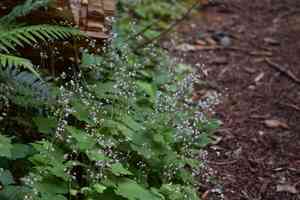
The Sugar-scoop is a woodland plant by nature, frequently found in shaded forests and garden areas. Its natural environment dictates its preference for settings where sunlight is filtered through a tree canopy. This makes the plant well-suited for conditions ranging from partial to full shade, mimicking the dappled light it would naturally receive.
Adaptability to Various Light Levels
Despite its preference for shaded conditions, Sugar-scoop is versatile and can endure a range of light intensities. While it thrives best in partial shade, it can also manage full shade environments. However, care must be taken to ensure it doesn't receive excessive direct sunlight, which can be harmful to its well-being.
Ideal Sunlight Conditions for Sugar-scoop
Partial Shade vs. Full Shade: What's Best?
For optimal development, Sugar-scoop should ideally be situated in partial shade. This means it should receive approximately 3-6 hours of sunlight daily. Full shade is also an option, though it's vital to ensure some indirect light reaches the plant to prevent stunted growth and poor leaf coloration.
Morning Sunlight: How It Benefits Sugar-scoop
Morning sunlight is particularly advantageous for Sugar-scoop. The soft, gentle rays of early morning light help maintain the plant's vibrant leaf color without the risk of scorching that the harsher afternoon sun can cause. Morning light also supports healthy growth and blooming.
Avoiding Excessive Direct Sunlight
Too much direct sunlight can be detrimental to Sugar-scoop. Prolonged exposure to intense sunlight, especially during midday, can lead to leaf burn and dehydration. To prevent this, position the plant where it will be protected from the strongest rays, such as beneath taller plants or in spots that receive filtered light.
Signs of Proper Sunlight Exposure
Healthy Leaf Color and Growth Patterns
One of the best indicators of sufficient sunlight for Sugar-scoop is the color and state of its leaves. A healthy, properly lit Sugar-scoop should display vibrant green leaves with a robust and sturdy growth habit. If the leaves appear pale or elongated, it may signal insufficient light.
Flowering Frequency and Duration
Appropriate sunlight exposure can also impact the blooming of Sugar-scoop. With the right amount of light, you can anticipate a regular flowering cycle with longer-lasting blooms. If the plant flowers infrequently or drops buds, it could be struggling with its light conditions.
What If Sugar-scoop Gets Too Much or Too Little Sun?
Symptoms of Sunburn or Scorching
Leaf scorching and sunburn are common issues when Sugar-scoop receives too much direct sunlight. Symptoms include dry, brown patches on the leaves, wilting, and an overall decline in plant vitality. To remedy this, move the plant to a shadier spot and remove the damaged foliage.
Identifying Light Deprivation Symptoms
Conversely, if Sugar-scoop is deprived of adequate light, it may show symptoms such as elongated stems (etiolation), pale or yellowing leaves, and slowed growth. Light deprivation can significantly affect the plant's appearance and vigor, so adjusting its position to receive more indirect light is crucial.
Adjusting Light Conditions for Optimal Health
Maintaining ideal light conditions for Sugar-scoop involves consistent monitoring and adjustments. If the plant exhibits signs of distress due to light issues, consider relocating it, using sheer curtains indoors, or rearranging garden plants to ensure a balanced light environment.
Tips for Indoor and Outdoor Cultivation
Indoor Light Sources: Best Options
When cultivating Sugar-scoop indoors, placing the plant near east or north-facing windows can provide the right amount of indirect light. Avoid south-facing windows where the sunlight is too strong. You can also utilize artificial grow lights to supplement natural sunlight, ensuring the plant receives an even distribution of light throughout the day.
Placing Sugar-scoop in Your Garden
In the garden, select locations that mimic the natural woodland habitat of Sugar-scoop. Under the canopy of larger trees, shrubs, or along the sides of buildings where sunlight is filtered and softer, can be ideal spots. This positioning helps maintain the plant's health and aesthetic appeal.



