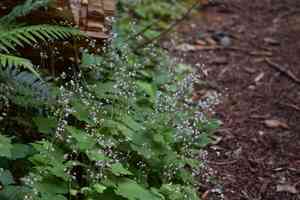
Sugar-scoop (Tiarella trifoliata)
Also known as: Lace foamflower
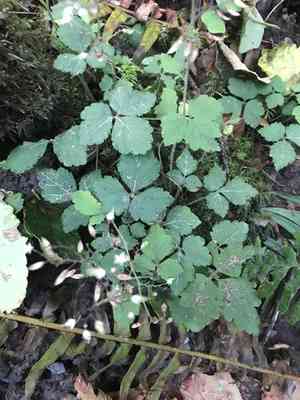
Threeleaf Foamflower (Tiarella trifoliata) is a perennial herb native to moist woodlands and streambanks across the western United States and Canada. It is also known as Sugar-scoop due to its distinctive trifoliate leaves.
In This Article
Attributes of Sugar-scoop
Lifespan
Perennial
Plant Type
Herb
Plant Height
15 cm to 61 cm
Spread
45 cm
Leaf Color
Green Red Variegated
Flower Size
0.5-1 cm
Flower Color
White
Images of Sugar-scoop
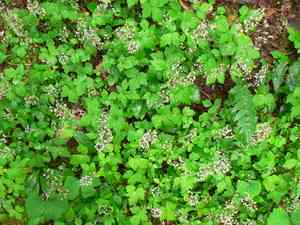
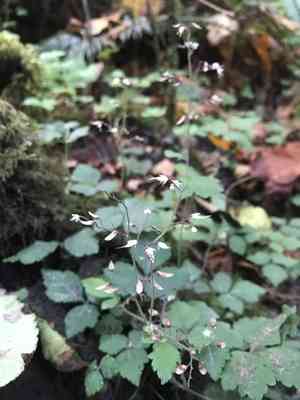
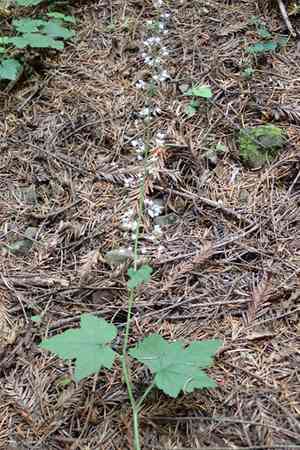
Quickly Identify Sugar-scoop
1
Tiarella trifoliata can be identified by its characteristic three-lobed leaves and the long, slender stems that hold clusters of small, star-shaped flowers. The leaves are typically dark green with lighter veins and have a soft, hairy texture.
Scientific Classification of Sugar-scoop
Phylum
Vascular plants
Class
Dicotyledons
Order
Saxifragales
Family
Saxifrage
Genus
Foam Flowers
Species
Sugar-scoop
Planting and Growing of Sugar-scoop
Care Difficulty
Easy
Watering Schedule
Every 2 days
Sunlight Requirements
Partial sun
Sunshine Duration
4-8 hours
Ideal Temperature
60-75℉
Soil Type
Potting Mix, Peat Mix
Soil pH
5.5-7
Fertilizer Type
Balanced
Pruning Season
Spring, Summer
Pruning Area
Branches, Leaves
Pruning Frequency
2 times a year
Repotting Season
Spring
Pot Type
Ceramic, Plastic
 How to Water Sugar-scoop?
When watering Tiarella trifoliata, aim to saturate the soil until it is evenly moist but not waterlogged. This plant appreciates a consistent level of moisture, so ensure water penetrates deep into the root zone. It's important to let the excess drain out to avoid root rot.
What are the symptoms of an underwatered Sugar-scoop?
›
What should I do if my Sugar-scoop is not getting enough water?
›
What are the symptoms of an overwatered Sugar-scoop?
›
How to save an overwatered Sugar-scoop?
›
 What Are the Sunlight Requirements for Sugar-scoop?
Tiarella trifoliata thrives best under partial sun and full shade conditions. These light conditions support vibrant foliage, better flowering, and over time build resistance to pests and diseases, creating a robust and flourishing plant.
More About Sunlight Requirements Techniques→
Optimal Location
›
Seasonal Adjustments
›
Indoor Consideration
›
 What Is the Ideal Temperature Range for Sugar-scoop?
The ideal temperature range for Tiarella trifoliata is between 60°F and 75°F. This range supports active growth, allowing the plant to perform photosynthesis efficiently and maintain a healthy physiological state. Temperatures within this range promote optimal enzyme activity and nutrient uptake.
 What Soil is Best for Sugar-scoop?
Tiarella trifoliata thrives in soil that maintains consistent moisture without becoming waterlogged. This moisture level is critical for its lush growth and vibrant foliage, allowing the plant to uptake nutrients effectively and reach its full potential. The plant requires well-drained soil to prevent root rot, a common issue in poorly drained conditions. Ensuring proper drainage helps maintain root health, supporting overall plant vigor and longevity. Incorporating rich organic matter into the soil provides essential nutrients, promoting healthy plant growth. Organic matter enhances soil structure, improving aeration and water retention, which are vital for Tiarella trifoliata.
 How to Fertilize Sugar-scoop?
For Tiarella trifoliata, a moderate amount of fertilizer is required to maintain its health and enhance growth. Liquid fertilizers should be diluted to half-strength before application to prevent root burn. Slow-release fertilizers should be applied sparingly to avoid nutrient overload.
 How to Prune Sugar-scoop?
Take note of the plant's natural growth pattern and the amount of light it receives. Over-pruning may cause stress if the plant is in a low-light area. Prune to enhance the plant's natural form, removing only what is necessary to maintain its health and vigor. Avoid heavy pruning in the late autumn to prevent new growth from being damaged by early frosts. Let the plant recover between pruning sessions to ensure continued growth.
More About Pruning Techniques→
 How to Propagate Sugar-scoop plant?
1
Collect seeds from mature Tiarella trifoliata plants after the flowering period. Ensure seeds are dry and store them in a cool, dry place until ready to use.
2
Sow seeds thinly on the surface of a seed tray filled with moist seed-starting mix. Do not cover them with soil, as they require light for germination.
3
Carefully dig up the entire plant in early spring. Separate the clumps gently, ensuring each section has roots and some foliage, and replant them promptly.
 How to Repot Sugar-scoop plant?
1
You should consider repotting Tiarella trifoliata when you notice roots growing out of the drainage holes, the plant appearing top-heavy or growth stalling. Spring or summer is ideal as the plant can recover rapidly during its active growth period.
2
Selecting the right pot for Tiarella trifoliata is crucial. Opt for a pot that is 1-2 inches wider in diameter than the current one. Ensure it has sufficient drainage holes to prevent waterlogging, which can lead to root rot. A slightly bigger pot will provide more space for root expansion, promoting healthier growth.
3
For optimal growth, Tiarella trifoliata requires well-draining, organic-rich soil. A suitable mix should include components like peat moss, perlite, and compost, providing adequate moisture retention without being too dense. This kind of soil will promote healthy root development and prevent common issues like compaction or poor aeration.
Learn More About Sugar-scoop Diseases
Anthracnose
Bacterial Leaf Spot
Bacterial Soft Rot
Bacterial Wilt
Black Spot
Chemical Injury
Crown Gall
Cyst Nematode
Damping-off
Downy Mildew
Drought Stress
Fusarium Wilt
Gray Mold
Leaf Spot
Mosaic
Nutrient Deficiency
Nutrient Toxicity
Powdery Mildew
Root Rot
Root-knot Nematode
Rusts
Sooty Mold
Spider Mites
Temperature Stress
Thrips Damage
White Mold



