The Sugar-scoop Plant Advantage: Maximizing Home and Office Appeal and Wellness
1
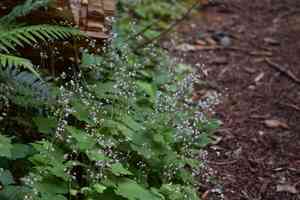
The Sugar-scoop plant requires minimal care and flourishes in low-light environments, perfect for gardens with limited sun exposure.
2
Its appealing leaves and subtle blossoms enhance the beauty of any outdoor space.
3
Sugar-scoop contributes to local ecological balance by drawing in helpful pollinators like bees.
Why Sugar-scoop is an Essential Addition to Your Garden
Effortless Upkeep
A key characteristic of Sugar-scoop is its minimal care requirements. It flourishes in diverse soil types, even those with lower fertility. This hardy plant needs little watering, significantly easing the gardener's workload.
Thrives in Dimly Lit Areas
Sugar-scoop is particularly well-suited for gardens lacking abundant sunlight. It prospers in shaded or partially shaded spots, making it an excellent option for areas beneath tree canopies or alongside structures. This adaptability allows gardeners to maximize their available space.
Year-Round Visual Appeal
This plant provides distinct decorative value throughout the year. Its foliage stays vibrant and colorful from spring through autumn, while its delicate, star-shaped blossoms appear in spring and early summer. This seasonal charm offers continuous aesthetic interest in your garden.
How Sugar-scoop Enhances Local Biodiversity
Attracts Pollinators
Sugar-scoop acts as a magnet for beneficial pollinators, especially bees. Its blooms offer a rich nectar source, supporting pollinator populations and boosting biodiversity in your garden.
Supports Wildlife
Beyond drawing in pollinators, Sugar-scoop also provides a habitat for various insects and small creatures. This contributes to a balanced ecosystem and ensures your garden remains ecologically vibrant.
Cultivation Advice: Growing Sugar-scoop
Trimming and Care
Pruning is seldom needed for Sugar-scoop, but removing faded flowers and dead leaves can enhance its look and encourage robust growth. Regularly inspect for pests and diseases, and treat promptly to maintain plant health.
Ideal Soil Conditions
While Sugar-scoop adapts to various soil types, it thrives best in rich, well-draining soil. Incorporating organic matter like compost can improve soil quality, ensuring healthy development.
Watering Recommendations
Although Sugar-scoop tolerates drought, it benefits from consistent moisture. Water deeply during dry periods but avoid overwatering, which can harm its roots.
Environmental Impact: Sugar-scoop's Contribution to Sustainability
Erosion Prevention
The dense root system of Sugar-scoop helps stabilize soil and prevent erosion. Planting it on slopes or in areas prone to erosion can effectively safeguard the soil structure.
Reduced Chemical Use
Due to its hardiness and minimal pest issues, Sugar-scoop lessens the need for chemical fertilizers and pesticides. This makes it a sustainable choice for environmentally friendly gardening practices.



