How to Prune Sugar-scoop?
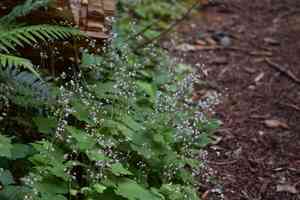
This forest-dwelling perennial, recognized for its decorative foliage and airy blossoms, flourishes with infrequent trimming. Excising faded flower stalks post-flowering improves its look and stimulates further blooming. Eliminate any deceased or compromised leaves in the springtime. Shaping can occur across the active growth periods, from spring through autumn, to preserve its form or foster more compact development. Gentle shaping aids in managing its expansion and boosts air movement, thereby enhancing plant well-being and lowering susceptibility to ailments.
What Are the Benefits of Pruning Sugar-scoop?
What Are the Benefits of Pruning Sugar-scoop?
Trimming sugar-scoop promotes strong development and maintains its dense structure. Strategic cuts stimulate sugar-scoop's progress, resulting in a fuller, healthier specimen.
What Is the Best Time for Pruning Sugar-scoop?
What Is the Best Time for Pruning Sugar-scoop?
Trimming sugar-scoop in spring allows for the removal of winter damage and encourages new growth, as the plant enters its active phase. Early summer pruning helps shape the plant without impacting its late summer and early fall blooms. Autumn is also suitable for pruning sugar-scoop to remove spent flowers and any diseased or dead foliage before dormancy, preventing undue stress during colder months.
What Tools Do I Need to Prune Sugar-scoop?
Hand Pruners
Sugar-scoop is a small perennial that doesn't require heavy-duty tools for trimming. Hand pruners are perfect for making clean cuts on sugar-scoop's slender stems. These provide precise control, essential for avoiding damage to delicate foliage and crowns.
Micro-Tip Snips
Given sugar-scoop's compact nature, precise snips might be needed for deadheading and shaping small, dense areas. Micro-tip snips are ideal for reaching tight spots without harming nearby stems or leaves.
Thinning Shears
When thinning out crowded sections of sugar-scoop, thinning shears can be used to selectively remove some stems while preserving the plant's natural form. This improves air circulation and reduces disease risk.
Gloves
Though not a cutting tool, gloves are crucial for protecting the gardener's hands from soil, debris, and potential irritants when trimming sugar-scoop.
How to Prune Sugar-scoop
Clean tools
Sanitize pruning implements before beginning to prevent disease transmission to sugar-scoop.
Remove disease
Identify and carefully eliminate any diseased leaves and branches from sugar-scoop, making cuts at the base of affected areas.
Cut withered
Trim away withered leaves to encourage healthy growth and improve air circulation around sugar-scoop, using sharp shears for a clean cut.
Eliminate dead
Snip off dead branches to maintain sugar-scoop's shape and promote vigorous new growth, cutting back to the base or to a healthy outward-facing bud.
Dispose trimmed
Properly discard all removed materials to keep the area around sugar-scoop free from potential sources of re-infection.
Common Pruning Mistakes with Sugar-scoop
Overpruning
Removing too much foliage from sugar-scoop can weaken the plant, diminishing its vigorous growth and blooming potential.
Improper technique
Using dull or unclean pruning tools can harm sugar-scoop's stems, leading to unhealthy cuts that may invite disease.
Neglecting deadheads
Failing to remove spent flowers can hinder sugar-scoop's appearance and vitality, as the plant might direct energy to seed production instead of new growth.
Ignoring plant shape
Pruning without considering sugar-scoop's natural form can result in an unnatural look and may impact the plant's overall health.
Excessive tidiness
Overzealous removal of leaf litter around sugar-scoop eliminates the natural mulch that provides nutrients and protection for the root system.
Common Pruning Tips for Sugar-scoop
Sharp tools
Always use sharp, clean pruning shears to make precise cuts on sugar-scoop, which helps prevent disease and promotes faster healing.
Selective cutting
Remove only damaged, diseased, or dead foliage from sugar-scoop to maintain plant health without compromising its natural form and vigor.
Deadheading
Regularly deadhead spent blooms of sugar-scoop to encourage continuous flowering and prevent the plant from diverting energy into seed production.
Mind plant habit
Prune sugar-scoop while paying attention to its mound-forming habit, promoting a compact and attractive growth pattern without altering its inherent shape.
Consider appearance
Prune sugar-scoop to maintain an aesthetically pleasing appearance, removing any errant stems that detract from its overall look, while being careful to preserve the healthy growth.



