How Much Sunlight Do Necklacepod Need?
1
Necklacepod flourishes optimally in direct sunlight, needing a minimum of 6 hours of sun each day.
2
Slowly acclimating the Necklacepod to varying light levels aids in its adjustment, avoiding shock.
3
Supplemental artificial illumination can compensate for inadequate natural light for Necklacepod.
Optimal Illumination for Necklacepod
Unfiltered Sun Exposure
For peak development, Necklacepod thrives in unfiltered sun, meaning it requires direct sunlight for a minimum of six hours daily. Full sun provides the plant with the necessary energy for photosynthesis, leading to more robust foliage and enhanced blooming. Position your Necklacepod in an open garden spot or any area that receives ample sunlight throughout the day.
Partial Shade Adaptability
While direct sun is preferred, Necklacepod can endure partial shade. In locations where full sun isn't feasible, ensure the plant still gets a significant amount of indirect light. Morning sun followed by afternoon shade can be an effective compromise, helping the plant remain healthy without the harsh midday heat.
Daily Light Requirements
To sustain its vigorous growth, the Necklacepod needs exposure to at least six hours of sunlight daily. During periods of heavy cloud cover or overcast skies, strive to provide the plant with as much light as possible, potentially by moving it to brighter locations or utilizing supplementary lighting.
The Vital Role of Sunlight in Necklacepod Development
Photosynthetic Process
Sunlight serves as the primary energy source for Necklacepod, powering photosynthesis. Through this process, the plant converts light energy into chemical energy, producing the sugars essential for its growth and maturation. Without sufficient sunlight, the plant's photosynthetic capacity will be hindered, resulting in weaker growth and poor health.
Blossom and Fruit Formation
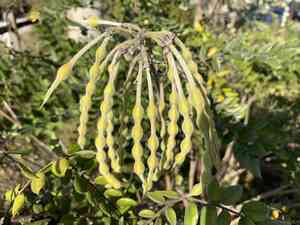
The Necklacepod is renowned for its vibrant yellow blossoms and distinctive seed pods. Adequate sunlight is crucial for the flowering process. The energy derived from sunlight not only supports flower development but also aids in the creation of strong and healthy seed pods. Insufficient light can lead to fewer blooms and underdeveloped fruits.
Adjusting Necklacepod to Various Light Conditions
Gradual Light Acclimation
If you need to relocate your Necklacepod to a different light environment, do so progressively. Abrupt changes in light exposure can stress the plant, causing leaf scorch or wilting. Begin by exposing the plant to its new light conditions for a few hours daily, gradually extending the duration over one to two weeks. This approach helps the plant adapt without shock.
Recognizing Light Stress Indicators
The Necklacepod will display signs if it's experiencing light-related stress. Common symptoms include yellowing leaves, leaf drop, or crisp leaf edges. Pay close attention to these signals and modify the plant's light conditions accordingly. Ensuring the correct light balance can prevent long-term damage and promote continuous growth.
Utilizing Artificial Illumination
In situations where natural light is inadequate, particularly during colder months or indoors, artificial lighting can be invaluable. Employ grow lights specifically designed for plant cultivation to augment natural sunlight. Position the lights approximately 30-45 cm (12-18 inches) from the plant, and consider using a timer to simulate natural daylight cycles.
Common Sunlight Challenges and Remedies for Necklacepod
Managing Sun Scorch
Necklacepod plants, despite their sun-loving nature, can occasionally suffer from sun scorch, especially if suddenly exposed to intense sunlight. Sunburn typically manifests as white or brown spots on the leaves. To prevent this, introduce the plant to increased sunlight gradually. If sun scorch occurs, remove the affected leaves and adjust the plant's light exposure as needed.
Preventing Light Deficiency
Conversely, insufficient light can result in elongated growth and weak stems in Necklacepod. Ensure the plant is placed in a bright location and receives ample light daily. If natural light is lacking, supplement with artificial grow lights to meet the plant's requirements. Regularly rotating the plant can also ensure even light exposure on all sides.



