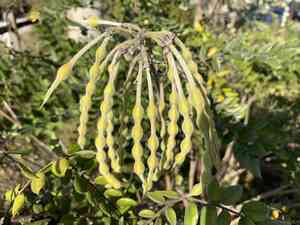
Necklacepod(Sophora tomentosa)

Necklacepod (Sophora tomentosa)

Also known as: Silver bush, Sea-coast laburnum

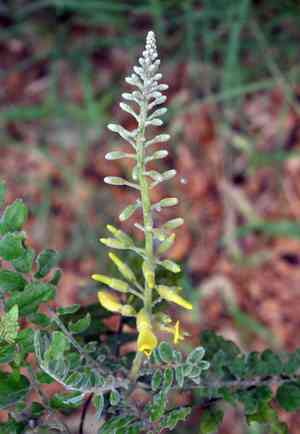
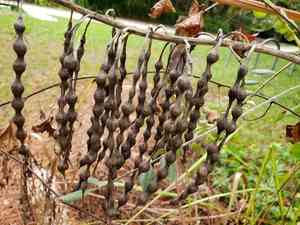
Sophora tomentosa, commonly referred to as necklacepod, is a tropical shrub or small tree belonging to the Fabaceae family. Typically growing between 1.2 to 3 meters in height, it is often found in coastal areas and near wetlands. The name "necklacepod" comes from its distinctive seed pods that form a chain-like appearance after the yellow flowers mature. This plant attracts bees, butterflies, and hummingbirds in the Americas, making it valuable for pollinator gardens. In Florida, it is recommended for xeriscaping due to its drought tolerance, though it naturally occurs primarily in central and southern coastal counties. Necklacepod is endangered in certain regions, including parts of Australia, due to habitat loss and invasive species. In Sri Lanka, it is called Moodu Murunga and has traditional uses like making fish poisons and insect repellents.

Attributes of Necklacepod

Lifespan
Perennial
Plant Type
Tree, Shrub
Plant Height
1.2 m to 3 m
Spread
1.2 m to 2.5 m
Leaf Color
Silver-green or grey-green
Flower Size
2.5 cm to 5 cm
Flower Color
Yellow

ForwardPlant - Identify plants with a snap

Identify and diagnose plants, get toxicity alerts, and explore safety guides for all types of fungi.

Try for Free

Images of Necklacepod

Necklacepod(Sophora tomentosa)

Quickly Identify Necklacepod

1
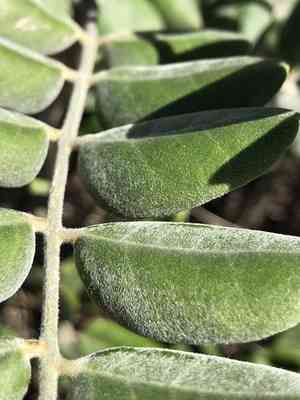
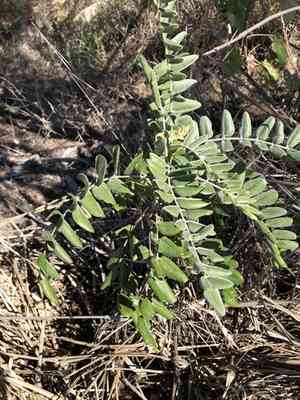
Identify Sophora tomentosa by its characteristic velvety, silver-grey leaves, bright yellow pea-like flowers, and its growth habit as a shrub or small tree. It often grows in coastal regions and sandy soils, which can also aid identification.

Scientific Classification of Necklacepod

Phylum
Vascular plants
Class
Dicotyledons
Order
Fabales
Family
Legume
Genus
Necklacepods
Species
Necklacepod

Planting and Growing of Necklacepod

Care Difficulty
Easy
Watering Schedule
Every 3 days
Sunlight Requirements
Full sun
Sunshine Duration
4-6 hours
Ideal Temperature
65-85℉
Soil Type
Potting Mix, Peat Mix
Soil pH
6.5-7.5
Fertilizer Type
Balanced
Pruning Season
Spring, Summer
Pruning Area
Branches, Leaves
Pruning Frequency
2 times a year
Repotting Season
Spring
Pot Type
Plastic, Terracotta

water icon How to Water Necklacepod?

Sophora tomentosa, also known as the silver bush, thrives in well-drained soils and requires a moderate watering approach. When watering, ensure the soil is moist but not waterlogged. Water the plant with approximately 500 ml each time, enough to saturate the soil without causing standing water. Always check the top layer of the soil; if it's dry, it's time for another watering session.
What are the symptoms of an underwatered Necklacepod? ›
What should I do if my Necklacepod is not getting enough water? ›
What are the symptoms of an overwatered Necklacepod? ›
How to save an overwatered Necklacepod? ›

sunlight icon What Are the Sunlight Requirements for Necklacepod?

Sunlight Requirements: Full sun, Partial sun
Duration of light: 4 to 6 hours
Sophora tomentosa adapts well to full and partial sun, allowing for versatility in placement. Optimal lighting enhances its flowering potential, maintains foliage health, and promotes vigorous growth.
What is the ideal light condition for Sophora tomentosa? ›
How can I provide the best lighting setup for my plant? ›
What are the benefits of achieving optimal lighting? ›
More About Sunlight Requirements Techniques→

temperature icon What Is the Ideal Temperature Range for Necklacepod?

Ideal Temperature: 65 ~ 85℉
The ideal temperature range for Sophora tomentosa is between 65°F and 85°F. This range ensures optimal growth and flowering, as the plant thrives in warm conditions typical of its natural habitat.

soil icon What Soil is Best for Necklacepod?

Soil type: Sandy loam, Loam
Soil PH: 6.5 ~ 7.5
Sophora tomentosa thrives in soils with excellent drainage. Proper drainage helps prevent root rot and ensures that the plant's roots receive enough oxygen, which is crucial for healthy growth and vibrant foliage. This plant benefits from a soil rich in nutrients. A fertile substrate provides essential nutrients that support robust growth and enhances the plant's natural resilience to environmental stresses. Although drainage is important, the soil should also have the ability to retain some moisture. This balance allows Sophora tomentosa to remain hydrated during dry spells without becoming waterlogged.

fertilize icon How to Fertilize Necklacepod?

Fertilizer type: Balanced
For Sophora tomentosa, the ideal fertilizer amount is pivotal in maintaining its vibrant health. Utilize a balanced liquid fertilizer, applying about 10 ml per liter of water. For granular or slow-release fertilizers, apply about 50 grams per square meter, ensuring even distribution around the plant's base.

prune icon How to Prune Necklacepod?

Pruning Time: Spring, Summer
Begin by cutting back any dead, damaged, or diseased branches. This will help keep the plant healthy and reduce the chance of diseases spreading. Trim branches to maintain an open center for sunlight penetration and air circulation. This is critical for the health of the plant, helping to prevent mold and mildew. Prune to maintain a pleasing shape by cutting branches at a 45-degree angle about 1/4 inch above an outward-facing bud to encourage outward growth. More About Pruning Techniques→

propagate icon How to Propagate Necklacepod plant?

Propagate Time: Spring,Summer
1
Harvest seeds from mature pods that have dried on the plant. It's important to ensure they are fully ripened for optimal germination success.
2
Take 4-6 inch cuttings from healthy, non-flowering shoots. Remove the lower leaves and dip the cut end in rooting hormone to encourage root development.
3
Sow the seeds or place cuttings into a pot filled with a well-draining mix. Maintain adequate humidity and temperature to encourage new root growth.
More About Propagating Techniques→

repot icon How to Repot Necklacepod plant?

Repotting frequency: Every 1-2 years
1
Sophora tomentosa shows signs of needing repotting when its roots start to circle the pot or they are seen emerging through the drainage holes. The plant becomes root-bound, which limits its ability to uptake nutrients effectively. Spring or early summer is ideal, as it corresponds with the plant's active growing period, allowing it to recover quickly from the stress of repotting.
2
Select a pot that's approximately 2 inches larger in diameter than the current one. Opt for pots with good drainage holes to prevent root rot, which can severely affect Sophora tomentosa. Ceramic or terracotta pots are recommended as they provide stability and excellent drainage benefits, helping maintain the right moisture levels.
3
Sophora tomentosa thrives in well-draining, sandy soil that mimics its natural coastal habitat. A mixture of peat, sand, and perlite or pumice is ideal, as it ensures optimal aeration and drainage while providing sufficient nutrients. This mix prevents the roots from sitting in water and enhances their health and growth.

ForwardPlant - Identify plants with a snap

Find the best spots for them to optimize their health, simply using your phone.

Try for Free

Toxicity

Ingestion

Identify toxic plants for your safety

Learn which plants are harmful to you and your pets, and make informed choices for a safer home!

Try for Free
WARNING
The judgment on toxicity and danger is for reference only. We DO NOT GUARANTEE any accuracy of such judgment. Therefore, you SHALL NOT rely on such judgment. It is IMPORTANT TO SEEK PROFESSIONAL ADVICE in advance when necessary.