How to Prune Necklacepod?
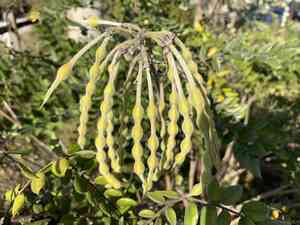
This blooming bush, recognized by its extended yellow flowers, thrives with winter pruning while inactive. For necklacepod, it is crucial to eliminate deceased or ailing branches, reduce crowded sections to enhance air circulation, and sculpt for visual attractiveness. Well-timed trimming fosters robust development and abundant flowering. Always employ sanitized, keen implements to execute accurate cuts from which necklacepod can rapidly recuperate. Appropriate pruning sustains the plant's vitality and decorative charm.
What Are the Benefits of Pruning Necklacepod?
What Are the Benefits of Pruning Necklacepod?
Trimming necklacepod promotes more robust, vigorous development. Consistent cutting helps maintain its form, preventing excessive growth and fostering an attractive shape suitable for garden aesthetics.
What Is the Best Time for Pruning Necklacepod?
What Is the Best Time for Pruning Necklacepod?
Pruning necklacepod from late winter to early spring, just before the growing season begins, allows for the removal of damaged or diseased branches prior to new growth. This timing minimizes plant stress, as it remains dormant and isn't actively channeling energy to leaves, flowers, or fruit. Furthermore, pruning during this period aids in establishing a strong structure and form, while also encouraging vigorous growth and abundant blooms for the upcoming season. When trimming in winter, the plant's structure is easily visible without leaves, facilitating more precise cuts. Pruning after the coldest part of winter has passed helps prevent new cuts from freezing.
What Tools Do I Need to Prune Necklacepod?
Hand pruners
Hand pruners, also known as secateurs, are perfect for making precise cuts on necklacepod's thinner stems and branches, typically up to 1/2 inch in diameter. These enable targeted shaping and removal of unhealthy tissues without harming the plant.
Lopping shears
Lopping shears offer the extra leverage needed for cutting branches up to 1 1/2 inches thick, which suits the more substantial stems of necklacepod. Their long handles also allow access to higher growth without requiring a ladder.
Pruning saw
For necklacepod's thickest branches, exceeding 1 1/2 inches in diameter, a sharp pruning saw is essential. This ensures a clean cut that promotes healthy recovery, reducing the risk of disease entering the pruning wound.
Hedge shears
If necklacepod is being maintained as a hedge or shaped for a formal look, hedge shears are suitable for trimming and shaping. Their long blades allow for even, straight cuts across foliage and small branches.
Gloves and protective gear
Gardening gloves are crucial when pruning necklacepod to protect against thorns or rough branches. Eye protection is recommended to shield against any debris that might dislodge during the pruning process.
How to Prune Necklacepod
Clean tools
Before beginning the pruning process, ensure all pruning tools are clean and sharp to prevent the spread of diseases and to make clean cuts on necklacepod.
Inspect
Examine necklacepod for dead or diseased branches. Look for branches that show signs of discoloration, are brittle, or have any visible indications of fungal growth or insect infestation.
Sanitize
Before cutting each diseased branch, disinfect your pruning tools with a solution of 1 part bleach to 9 parts water to prevent the spread of disease.
Cut dead branches
Using the appropriate pruning shears, remove dead branches by cutting them at the point where they connect to a larger branch or the trunk. Make the cut at a slight angle to encourage healing and allow water to run off.
Cut diseased branches
Prune the diseased branches of necklacepod by cutting them back to healthy wood. If a branch is partially affected, cut at least several inches into the healthy tissue to ensure the disease is completely eradicated.
Common Pruning Mistakes with Necklacepod
Over-pruning
Removing too much foliage at once can stress necklacepod, jeopardizing its health and hindering growth.
Dull pruning tools
Using blunt tools can harm necklacepod's branches, leading to improper cuts and potential entry points for disease.
Improper cut angles
Incorrectly angled cuts can prevent necklacepod from healing properly, inviting pests and disease.
Ignoring disease signs
Failing to identify and remove diseased or pest-infested branches may allow the problem to spread throughout necklacepod.
Neglecting shape
Random or excessive cutting without maintaining necklacepod's natural form can detract from its aesthetic and health.
Common Pruning Tips for Necklacepod
Sharp clean tools
Always use sharp, clean pruning shears to make precise cuts that necklacepod can recover from quickly.
Healthy growth removal
Only remove dead, damaged, or crossing branches to promote necklacepod's healthy growth, maintaining plant structure.
Cut angle 45 degree
Make cuts at a 45-degree angle away from the bud to ensure water runoff and prevent disease in necklacepod.
Sanitation
Clean tools before and after use to prevent the spread of diseases across necklacepod or to other plants.
Assess growth
Regularly assess necklacepod for needed pruning, focusing on maintaining an open, well-ventilated canopy which supports vibrant health and flowering.



