How Much Sunlight Do Roundhead bulrush Need?
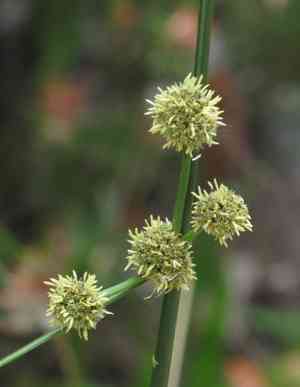
1
Roundhead bulrush flourishes in ample sunlight but can endure some shade.
2
Place your Roundhead bulrush in a spot receiving a minimum of 6 hours of direct sun each day.
3
Observe your plant frequently to detect indications of insufficient light or sun damage.
Optimal Light Conditions for Roundhead Bulrush
Full Sun vs. Partial Sun
Regarding light needs, Roundhead bulrush is quite adaptable yet has a preference. Ideally, this plant thrives in full sun, meaning at least 6 hours of direct solar exposure daily. However, it can also endure partial shade, particularly during the day's hottest period. In partial sun, growth may be less vigorous, but the plant will remain healthy. If uncertain, observe its response in various garden spots.
Daily Light Requirements
Roundhead bulrush needs a minimum of 6 to 8 hours of direct sunlight daily for peak performance. This duration aids photosynthesis, ensuring the plant receives ample energy for robust development. A location receiving morning sun and some afternoon shade could be perfect, especially in extremely hot climates.
Positioning Roundhead Bulrush for Best Sun Exposure
Prime Garden Locations
The best spot for your Roundhead bulrush is in an open, sunny area of your garden. Places in front of a south-facing wall or fence can create a warm, sheltered environment for the plant. Ensure no large trees or structures will obstruct sunlight for most of the day.
Indoor Cultivation Considerations
If cultivating Roundhead bulrush indoors, place it near a bright window, ideally one facing south or west. Indoor plants can sometimes suffer from insufficient light, so consider supplementing with a grow light if necessary. Rotate the plant periodically to ensure all sides receive even light exposure.
Impact of Insufficient Light on Roundhead Bulrush
Indicators of Light Deficiency
When Roundhead bulrush lacks adequate sunlight, it often displays clear signs: stunted development, yellowing or browning foliage, and a general decline in vitality. The plant may become leggy as it stretches towards available light. If these symptoms appear, it's time to re-evaluate its light exposure.
Remedial Actions
If you observe your Roundhead bulrush isn't getting enough sun, the initial step is to relocate it to a brighter area. If moving isn't feasible, consider pruning back plants or structures that might be blocking its light. For indoor plants, supplement with grow lights for a few extra hours daily to boost their energy intake.
Protecting Roundhead Bulrush from Excessive Light
Symptoms of Plant Sunburn
Just like humans, plants can experience sunburn. For Roundhead bulrush, sunburn symptoms include white or bleached patches on leaves, brown leaf tips, and overall leaf scorch. These signs indicate the plant is receiving too much direct sunlight or is exposed to intense heat.
Providing Shade and Protection
To shield Roundhead bulrush from excessive sunlight, consider using shade cloths or plant covers during the day's hottest periods. Planting it near taller plants or structures that can offer intermittent shade can also be beneficial. If grown in pots, simply move the container to a slightly shadier spot during peak sun hours.
Seasonal Light Variations for Roundhead Bulrush
Adapting to Seasonal Changes
As seasons shift, so do the angle and intensity of sunlight. In summer, the sun is higher and more intense, meaning your Roundhead bulrush will receive ample energy, but you might need to provide some shade to prevent sunburn. In winter, when the sun is lower and days are shorter, you might need to ensure it still gets sufficient light by adjusting its position.
Sunlight in Diverse Climates
Roundhead bulrush adapts to various climates, but it's crucial to consider your specific local conditions. In hotter, arid regions, providing some afternoon shade will safeguard the plant from the midday sun's intensity. Conversely, in cooler, shadier climates, maximizing sunlight exposure can enhance growth and health.



