How to Prune Roundhead bulrush?
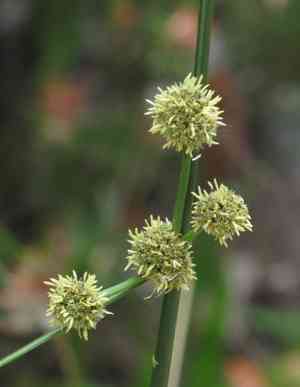
Roundhead bulrush, a perennial aquatic grass, benefits from periodic trimming to preserve its form and stimulate fresh development. For peak vitality, conduct pruning in early spring or throughout winter while the plant is inactive. Cut back deceased or excessively long stalks at their base, being careful not to over-prune, which could stress the plant. Trimming improves air movement and can lower the likelihood of disease, fostering a thicker, more vigorous growth in the subsequent period. Always employ sharp, sanitized cutting implements to avert harm and the spread of pathogens.
What Are the Benefits of Pruning Roundhead Bulrush?
What Are the Benefits of Pruning Roundhead Bulrush?
Trimming roundhead bulrush promotes robust development and assists in maintaining its desired form. This action can stimulate fresh, healthy shoots and contribute to a well-defined, visually appealing look.
What Is the Best Time for Pruning Roundhead Bulrush?
What Is the Best Time for Pruning Roundhead Bulrush?
Pruning roundhead bulrush in early spring is optimal as it eliminates any dead or damaged growth accumulated over winter, right before new growth commences. This timing allows the plant to recover swiftly and direct energy towards producing new, healthy shoots. Winter trimming can be advantageous since roundhead bulrush is dormant. During this period, pruning will not disrupt active growth or flowering, as the plant's metabolism is slowed, reducing stress and the risk of pruning shock.
What Tools Do I Need to Prune Roundhead Bulrush?
Bypass Pruners
Perfect for making clean cuts on the slender, green stems of roundhead bulrush. Bypass pruners operate like scissors and are less likely to crush stems than anvil-style pruners.
Long-Handled Loppers
Useful for reaching into dense clusters of roundhead bulrush without harming nearby plants. They offer good leverage for cutting thicker stems that pruners cannot manage.
Pruning Saw
Essential for removing old or woody stems of roundhead bulrush, which might be too thick for pruners or loppers to cut cleanly.
Gardening Gloves
Crucial for protecting hands from the sharp edges of roundhead bulrush stems and any potential skin irritants.
Garden Shears
Helpful for trimming the edges of roundhead bulrush if shaping is desired or if there's a need to remove multiple thin stems simultaneously.
How to Prune Roundhead Bulrush
Clean tools
Prepare sharp shears or scissors, ensuring they are clean and sterilized to prevent disease transmission during pruning.
Identify
Thoroughly inspect roundhead bulrush to locate diseased and withered leaves. Look for any leaves that are discolored, spotted, or appear dry and brittle.
Cut diseased leaves
Using the prepared shears, carefully trim off diseased leaves at their base where they connect to the main stem or shoot, avoiding damage to healthy tissue.
Cut withered leaves
Similarly, cut back withered leaves to the base of the leaf stem, ensuring a clean cut to encourage healthy regrowth.
Dispose
Properly dispose of the removed diseased and withered leaves, away from the garden area, to prevent the spread of any potential pathogens.
Common Pruning Mistakes with Roundhead Bulrush
Over-pruning
Removing too much foliage at once can stress roundhead bulrush, potentially hindering its growth or leading to a weak plant structure.
Improper cutting technique
Incorrect cutting methods can damage roundhead bulrush's stems, either by crushing them or causing jagged wounds that don't heal properly and expose the plant to diseases.
Not disinfecting tools
Failing to sanitize pruning tools before use can spread pathogens from infected plants to healthy ones.
Not removing dead material
Forgetting to remove all dead or diseased foliage, which can impede roundhead bulrush's growth or attract pests and diseases.
Disregarding plant shape
Making cuts without considering the natural form of roundhead bulrush can result in an undesirable appearance and may impair its growth pattern.
Common Pruning Tips for Roundhead Bulrush
Using sharp tools
Ensure pruning tools are sharp and clean to make precise cuts that heal quickly, reducing stress on roundhead bulrush.
Cutting angle
Cut stems at a 45-degree angle just above a node or a set of leaves to promote new growth and prevent water accumulation, which could lead to rot.
Thinning out
Thin out crowded areas by removing some stems at the base to increase air circulation and light penetration, which is vital for roundhead bulrush's health and vigor.
Selective pruning
Prune selectively to maintain the natural form of roundhead bulrush, focusing on removing only dead, damaged, or diseased stems.
Post-pruning care
After pruning, provide roundhead bulrush with adequate water and possibly a balanced fertilizer to support recovery and new growth.



