How to Propagate Roundhead bulrush?
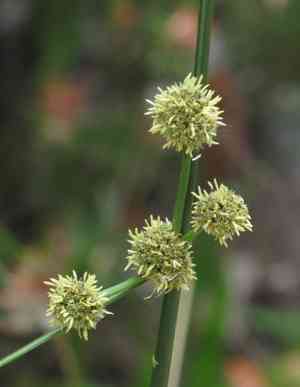
Roundhead bulrush flourishes when multiplied via separation, a technique perfect for enlarging your assortment or revitalizing congested clusters. For optimal results, separate in a way that each segment keeps a portion of its root structure. Following separation, promptly place the segments in soil that retains moisture, making sure they are adequately spaced to provide sufficient room for development. Consistent irrigation will assist in establishing the divisions, helping them acclimate and grow in their new surroundings.
When Is the Best Time to Multiply Roundhead Bulrush?
Propagation Method
Separation
Propagation Period
Spring,Autumn
What Tools Are Used for Roundhead Bulrush Propagation?
Sharp Spade or Knife
This instrument is vital for cleanly separating the root masses of roundhead bulrush. A sharp spade helps ensure divisions are made precisely with minimal root damage, boosting successful regrowth after division. A clean cut helps prevent infections and encourages faster recovery.
Gardening Gloves
Handling roundhead bulrush during propagation, especially with sharp tools, requires protection. Gardening gloves are important as they shield hands from potential injury and help maintain hygiene by avoiding direct contact with soil and plant material, which can sometimes harbor harmful pathogens.
Watering Can or Hose with a Gentle Spray Setting
After division, it's crucial to water roundhead bulrush properly to aid recovery and establishment. A watering can or a hose with a gentle spray setting ensures water is evenly distributed over newly planted divisions without eroding soil or harming young plants.
Rooting Hormone (optional)
While not essential, using a rooting hormone can promote better root development in roundhead bulrush, especially if divisions are smaller or the plant appears stressed. It encourages root growth and can help stabilize the plant more quickly in its new environment.
How to Propagate Roundhead Bulrush?
Propagation Type
Simple
How to Care for Your Newly Propagated Roundhead Bulrush?
How to Care for Your Newly Propagated Roundhead Bulrush?
After propagation, keep the soil of roundhead bulrush consistently moist, as this species thrives in wet environments. Monitor for pests and diseases, and remove any dead or yellowing shoots to encourage healthy growth. No fertilization is needed immediately after propagation, but consider a mild fertilizer suitable for wetland plants in subsequent growing seasons to promote vigorous growth.
Common Mistakes to Avoid When Propagating Roundhead Bulrush
Overwatering
Excessive watering of roundhead bulrush can lead to root rot, which is detrimental to the plant's health. Continuously wet conditions can prevent oxygen from reaching the roots, causing them to decay.
Insufficient Light Exposure
Placing roundhead bulrush in areas with inadequate light can impede its growth and vitality. Roundhead bulrush thrive in conditions that closely mimic their natural wetland habitat, which typically includes ample sunlight.
Using Soil That Lacks Drainage
Employing soil that doesn't allow for proper drainage can cause water to accumulate around the roots. This can lead to fungal diseases and negatively impact root health.
Ignoring Humidity Requirements
Roundhead bulrush naturally grows in marshy conditions; thus, maintaining a high humidity environment is crucial. Neglecting this can lead to dehydration and stress the plant.
Tips For Propagating Roundhead Bulrush
Division Method
Propagate roundhead bulrush effectively by separating the root clumps during repotting. Ensure each section has enough roots and shoots to reestablish quickly.
Adequate Watering Regime
While roundhead bulrush thrives in moist conditions, balance is key. Ensure the planting medium is consistently moist but not waterlogged to replicate the natural wetland conditions roundhead bulrush prefers.
Optimal Sunlight
Ensure roundhead bulrush receives ample sunlight, resembling its natural habitat, to promote vigorous growth and development.
Appropriate Substrate
Use a soil mix with high organic content and good drainage capabilities to support the specific needs of roundhead bulrush. Peat moss or a mix incorporating aquatic plant soil can be suitable options.



