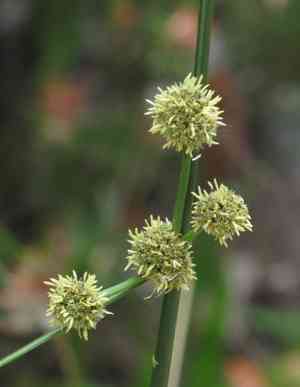
Roundhead bulrush (Scirpoides holoschoenus)
Also known as: Clustered clubrush
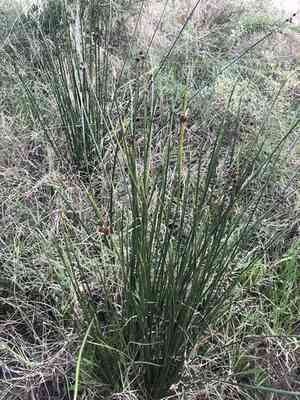
*Scirpoides holoschoenus*, commonly called roundhead bulrush, is originally from Europe. It often grows in rocky areas and features yellow or white flowers at the tips of its stalks. It has also been introduced to various other regions.
In This Article
Attributes of Roundhead bulrush
Lifespan
Perennial
Plant Type
Grass
Plant Height
1 m
Spread
50 cm
Leaf Color
Green
Flower Size
Approximately 1-2 cm
Flower Color
Brown Yellow Green
Images of Roundhead bulrush
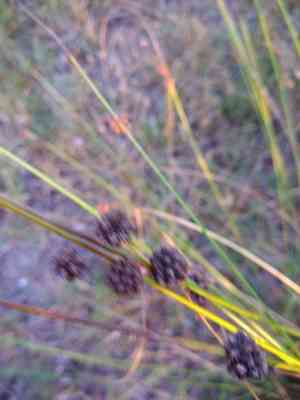
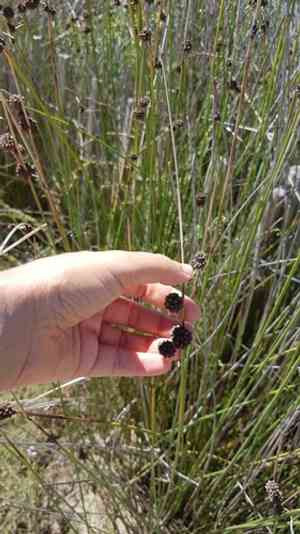
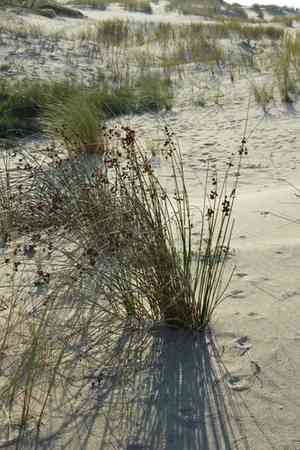
Quickly Identify Roundhead bulrush
1
To identify Scirpoides holoschoenus, look for its cylindrical stems and dense, rounded flower clusters that resemble small brushes. The plant often grows in clumps and has a hollow, jointed stem.
Scientific Classification of Roundhead bulrush
Phylum
Vascular plants
Class
Monocotyledons
Order
Poales
Family
Sedge
Genus
Bulrushes
Species
Roundhead bulrush
Planting and Growing of Roundhead bulrush
Care Difficulty
Easy
Watering Schedule
Every 4 days
Sunlight Requirements
Full sun
Sunshine Duration
4-8 hours
Ideal Temperature
60-75℉
Soil Type
Potting Mix, Peat Mix
Soil pH
6.5-7.5
Fertilizer Type
Balanced
Pruning Season
Spring, Summer
Pruning Area
Branches, Leaves
Pruning Frequency
2 times a year
Repotting Season
Spring
Pot Type
Plastic, Ceramic
 How to Water Roundhead bulrush?
For Scirpoides holoschoenus, it is essential to maintain soil moisture without waterlogging. This plant thrives when the soil is kept evenly moist but not saturated. A watering session should involve about 500ml of water, ensuring the top inch of the soil feels damp.
What are the symptoms of an underwatered Roundhead bulrush?
›
What should I do if my Roundhead bulrush is not getting enough water?
›
What are the symptoms of an overwatered Roundhead bulrush?
›
How to save an overwatered Roundhead bulrush?
›
 What Are the Sunlight Requirements for Roundhead bulrush?
Scirpoides holoschoenus ideally needs a light range from full sun to partial sun. Such conditions support optimal photosynthesis, bolstering its growth and health against adverse conditions by ensuring energy needs are adequately met.
More About Sunlight Requirements Techniques→
What is the ideal sunlight exposure for Scirpoides holoschoenus?
›
How can I optimize light exposure for Scirpoides holoschoenus?
›
What benefits does ideal light exposure bring to the plant?
›
 What Is the Ideal Temperature Range for Roundhead bulrush?
The ideal temperature range of 60°F to 75°F provides Scirpoides holoschoenus with the optimal conditions for growth and photosynthesis. This range simulates their natural habitat, promoting healthy development and minimizing stress.Within the ideal temperature range, metabolic activities within Scirpoides holoschoenus are at their peak efficiency. Enzyme activity, nutrient absorption, and the rate of photosynthesis are all optimized within these temperatures.
 What Soil is Best for Roundhead bulrush?
Scirpoides holoschoenus thrives in well-drained soils, which prevent waterlogging and root rot. Well-draining soils ensure the roots have access to oxygen, which is crucial for healthy plant growth. While it's important for the soil to drain well, it should also retain some moisture. Scirpoides holoschoenus benefits from soils that hold enough water to support its natural habitat, mimicking marshy conditions without being waterlogged. The plant prefers soils rich in organic matter, which provide essential nutrients. Using compost or organic fertilizers can improve soil fertility, supporting vigorous growth and vibrant foliage.
 How to Fertilize Roundhead bulrush?
For Scirpoides holoschoenus, it's crucial to apply just enough fertilizer to maintain healthy growth without overdoing it. Typically, use a balanced water-soluble fertilizer diluted to half-strength for liquid applications and around 50g per plant for slow-release pellets.
 How to Prune Roundhead bulrush?
Start by sterilizing your pruning shears to prevent the spread of disease. Identify any dead or damaged stems and cut them back to the base. For shaping, trim about a third of the plant, focusing on overgrown areas, to retain its natural form. Always make clean cuts at a slight angle to prevent water accumulation.
More About Pruning Techniques→
 How to Propagate Roundhead bulrush plant?
1
Choose healthy, mature Scirpoides holoschoenus plants with no signs of disease or pest infestation. This ensures that the propagation materials are strong and capable of growing into healthy new plants.
2
Ensure the soil is well-draining and nutrient-rich. Enhance it with compost or organic matter to provide a robust environment for the seedlings or divisions. This helps in root establishment and growth.
3
For seed propagation, evenly distribute seeds over the soil surface and gently cover them with a light layer of soil. For division, plant each section at the same depth it was growing previously. Water thoroughly after planting.
 How to Repot Roundhead bulrush plant?
1
Look for signs like roots protruding through drainage holes, water sitting on soil surface, or stunted growth. These are indicators that Scirpoides holoschoenus needs more space to grow and thrive.
2
Select a pot 1-2 inches larger in diameter than the current one. Ensure it has ample drainage holes. A slightly larger size prevents excessive water retention, promoting healthier root growth and preventing root rot.
3
Opt for a loamy, well-draining mix to maintain moisture without becoming waterlogged. Such a soil offers balanced nutrients and retains enough water to keep the plant hydrated, while allowing excess to escape.
Learn More About Roundhead bulrush Diseases
Anthracnose
Bacterial Leaf Spot
Bacterial Soft Rot
Bacterial Wilt
Damping-off
Downy Mildew
Drought Stress
Fusarium Wilt
Gray Mold
Leaf Spot
Mosaic
Nutrient Deficiency
Nutrient Toxicity
Powdery Mildew
Root Rot
Root-knot Nematode
Rusts
Sooty Mold
Spider Mites
Temperature Stress
Thrips Damage
White Mold



