How Much Sunlight Do Sweet pitcherplant Need?
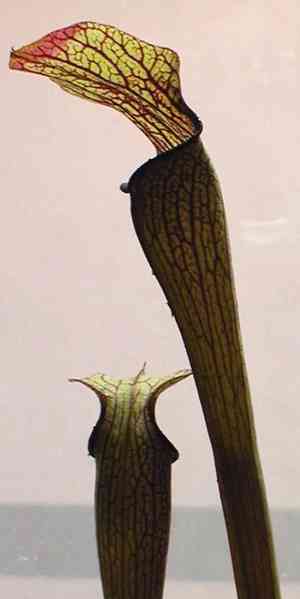
1
The Sweet pitcherplant flourishes in bright light, requiring a minimum of 6 hours of direct sun each day.
2
Place outdoor Sweet pitcherplants in an area that receives abundant sunlight but avoids burning.
3
Supplemental grow lights can augment natural light, particularly for indoor plants.
Optimal Sunlight for Sweet Pitcherplant
Full Sun vs. Partial Shade
The Sweet pitcherplant, renowned for its insect-capturing ability, thrives best in direct sunlight. Full sun implies the plant receives direct solar exposure for most of the day, at least six hours. However, it can endure partial shade, meaning 3-6 hours of direct sun. In areas with extremely intense sun, some afternoon shade can prevent scorching.
Sunlight Duration and Hours
For peak development, the Sweet pitcherplant requires over six hours of direct sunlight daily. This amount ensures the plant generates sufficient energy to flourish and maintain its striking pitchers. Consider utilizing morning sun, which is less harsh than afternoon sun, to avoid leaf damage.
Positioning Sweet Pitcherplant for Best Sunlight
Outdoor Placement Advice
Outdoor placement for the Sweet pitcherplant should be in a spot where it gets maximum sun exposure. Ideal locations include south-facing areas where the plant can absorb the full intensity of daylight. Avoid overly shaded spots, such as beneath dense trees or structures. Ensure the plant is in a well-draining medium to prevent waterlogging, which can worsen with high sun exposure.
Indoor Positioning Guidelines
Indoors, place the Sweet pitcherplant near large south-facing windows to maximize sun exposure. Ensure the plant gets the recommended six hours of sunlight by repositioning it throughout the day or using reflective materials. Indoor conditions might require supplemental light sources, like grow lights, to augment natural sunlight.
Sweet Pitcherplant's Tolerance to Low Light
Indicators of Insufficient Light
While the Sweet pitcherplant prefers full sun, it can tolerate lower light conditions to some degree. Signs of inadequate light include elongated, spindly growth, pale or yellowing foliage, and reduced pitcher formation. If these symptoms appear, it's vital to re-evaluate and adjust the light conditions.
Best Practices for Low-Light Scenarios
If ideal light conditions are unattainable, implement strategies to support your Sweet pitcherplant. Rotate the plant regularly so all sides receive light, and clean any debris or dust from the leaves that might obstruct sunlight. Artificial lighting can also be a viable solution to compensate for low natural light.
Common Sunlight Problems for Sweet Pitcherplant
Sunburn and Leaf Damage
Excessive exposure to harsh sunlight can cause sunburn on the Sweet pitcherplant, characterized by scorched, brown, or brittle leaves. To prevent this, gradually introduce the plant to full sunlight, especially if it was previously in lower light. Consider providing filtered shade during peak afternoon hours if the sun is too intense.
Shade and Sunlight Imbalance
An imbalance between shade and sunlight can stress the Sweet pitcherplant. Insufficient sunlight hinders growth and pitcher development. Achieve balance by monitoring sunlight patterns and making necessary adjustments. If your region experiences seasonal daylight shifts, adapt the plant's placement to consistently meet its light needs.
Artificial Lighting Solutions for Sweet Pitcherplant
When to Utilize Grow Lights
Grow lights are especially beneficial when natural light is inadequate, such as during winter months or in predominantly shaded indoor environments. Use grow lights when daily sunlight exposure is less than six hours. These artificial light sources can help fulfill the plant's light requirements, fostering healthy growth and vibrant pitcher development.
Suitable Grow Light Types for Sweet Pitcherplant
When choosing grow lights for your Sweet pitcherplant, opt for full-spectrum LED or fluorescent lights. These lights closely mimic natural sunlight, providing the essential wavelengths for photosynthesis. Position the grow lights approximately 15-30 cm (6-12 inches) above the plant, and operate them for 12-16 hours daily to effectively supplement natural light.



