How to Prune Sweet pitcherplant?
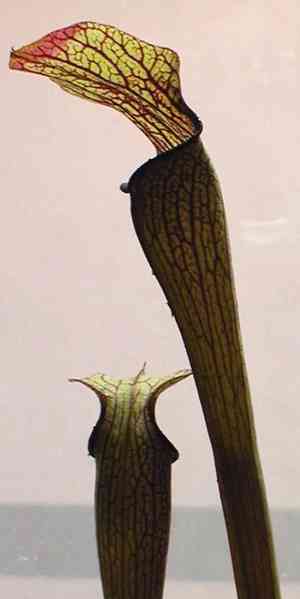
The unique carnivorous Sarracenia alata thrives with careful pruning to eliminate withered or deteriorating pitchers. Perform this task in the spring, when fresh development commences, to sustain its vitality and visual attractiveness. Trimming during the summer is acceptable for shaping and excising compromised sections, whereas autumn pruning readies the specimen for its dormant phase. Exercise care to avoid severing nascent growth. Pruning fosters well-being, elevates its look, and thwarts ailments by boosting air movement among the leaves.
What Are the Benefits of Pruning Sweet Pitcherplant?
What Are the Benefits of Pruning Sweet Pitcherplant?
Trimming sweet pitcherplant encourages new development, resulting in more robust plants with abundant blooms. It helps maintain the plant's shape, preventing excessive growth and enhancing its visual appeal.
What Is the Best Time for Pruning Sweet Pitcherplant?
What Is the Best Time for Pruning Sweet Pitcherplant?
Trimming sweet pitcherplant in early Spring is optimal as the plant emerges from dormancy, which invigorates new growth and allows recovery from pruning before the active growing season. Late Summer pruning coincides with post-flowering when energy reserves are high but prior to preparing for dormancy, enabling sweet pitcherplant to heal and reallocate energy to new growth. Autumn is suitable for removing dead or dying foliage before dormancy, assisting in pest and disease reduction for a healthier start the following Spring.
What Tools Do I Need to Prune Sweet Pitcherplant?
Sharp Scissors or Snips
For sweet pitcherplant, precise cuts are crucial to avoid tearing the delicate pitcher structures. Sharp scissors or snips are ideal for making clean cuts, which is important to minimize damage and the risk of infection to the plant.
Fine Precision Pruners
Sweet pitcherplant often requires the removal of dead or decaying pitchers. Fine precision pruners are suited for this task as they allow for targeted cutting without disturbing the rest of the plant.
Tweezers or Forceps
Tweezers or forceps can be useful for removing any debris or insects that may accumulate within the pitchers of sweet pitcherplant without causing damage to the plant's structure.
How to Prune Sweet Pitcherplant
Clean tools
Before pruning sweet pitcherplant, sterilize your tools with alcohol or a bleach solution to prevent the spread of any disease.
Cut diseased leaves
Identify and remove any diseased leaves from sweet pitcherplant by cutting at the base of the leaf, taking care not to damage new growth or the pitcher itself.
Prune withered leaves
Trim back any withered or dead leaves from sweet pitcherplant to the base to improve air circulation and direct the plantâs energy to new growth.
Remove withered flowers
If sweet pitcherplant has any spent or withered flowers, carefully snip them off just below the bloom to prevent seed formation and encourage more pitcher growth.
Dispose trimmed parts
Dispose of all removed material from sweet pitcherplant in a way that it does not contaminate healthy plants or areas.
Common Pruning Mistakes with Sweet Pitcherplant
Over pruning
Removing too much of sweet pitcherplant's growth at once can stress the plant, leading to reduced vigor and fewer flowers. The plants depend on their pitchers for photosynthesis and prey capture; excessive pruning can diminish these vital functions.
Cutting green pitchers
Pruning healthy, green pitchers that are actively photosynthesizing and capturing insects can weaken sweet pitcherplant. Only the brown, dead, or damaged pitchers should be pruned to maintain plant health.
Pruning live flower stalks
Sweet pitcherplant displays unique flowers that should not be cut while they are healthy and alive. This mistake can prevent the plant from completing its reproductive cycle and producing seeds.
Pruning during active growth
Pruning sweet pitcherplant during its growing season can interrupt the plant's natural growth and development. While the exact season is excluded, it's crucial to avoid pruning when the plant exhibits signs of active growth.
Uneven cuts
Making jagged or uneven cuts on sweet pitcherplant's pitchers may invite infection and pest problems. Clean, straight cuts heal faster and reduce the risk of disease.
Common Pruning Tips for Sweet Pitcherplant
Sharp clean tools
Use sterilized, sharp pruning shears to make clean cuts. This prevents the spread of disease and ensures a swift healing process for sweet pitcherplant.
Prune dead material
Focus on removing only dead or dying pitchers and flower stalks. This cleanup will direct sweet pitcherplant's energy towards producing new healthy growth, aiding in its overall vigor.
Annual pruning
Performing an annual pruning session, focusing on the plant's specific needs, will help maintain the health and appearance of sweet pitcherplant without compromising its growth pattern.
Disposal of pruned material
Properly dispose of all pruned material to prevent the spread of potential diseases and pests that could otherwise affect sweet pitcherplant negatively.
Monitor plant health
Regularly assess sweet pitcherplant for signs of stress or disease before and after pruning. This proactive approach can guide when and how much to prune, ensuring the plant remains robust.



