The Sweet pitcherplant Plant Advantage: Maximizing Home and Office Appeal and Wellness
1
The sweet pitcherplant is an intriguing carnivorous flora recognized for its ability to ensnare insects.
2
This plant assists in organic pest management through the capture and consumption of bugs.
3
It contributes aesthetic appeal and environmental significance to marshy environments.
How Does Sweet pitcherplant Aid in Pest Management?
Insect-Capture Mechanism
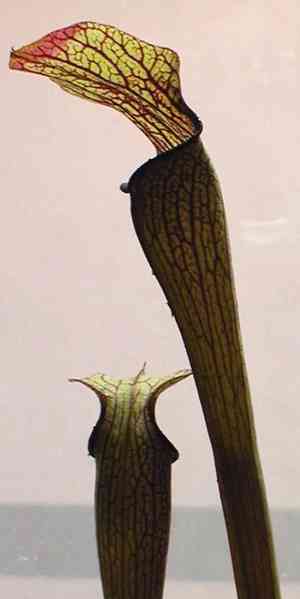
The primary allure of Sweet pitcherplant lies in its remarkable insect-capturing abilities. Its pitcher-shaped leaves contain a sticky, enzyme-rich fluid that attracts unsuspecting insects. Once inside, insects find escape nearly impossible due to the plant's slick surfaces and downward-pointing hairs. Over time, the trapped insects are digested, providing vital nutrients for the plant.
Natural Pest Control
Sweet pitcherplant's unique method of ensnaring insects serves as a natural form of pest regulation. By reducing insect numbers in its environment, the plant helps maintain a balanced ecosystem. This is especially beneficial in wetland areas where insect populations can become overwhelming if left unchecked.
What Are the Ecological Contributions of Sweet pitcherplant?
Biodiversity Support
Sweet pitcherplant significantly contributes to local biodiversity. Its presence in wetland environments supports various species, including birds, amphibians, and other plant types. By offering natural pest control, Sweet pitcherplant indirectly aids the survival of other species that rely on a balanced ecosystem.
Habitat Preservation
The presence of Sweet pitcherplant in wetland habitats can also help maintain the ecosystem's health. The plant assists in controlling insect populations, which can otherwise lead to excessive growth of plants and algae. This, in turn, ensures that water bodies remain clean, supporting the overall health of the habitat.
Can Sweet pitcherplant Enhance Ornamental Gardens?
Aesthetic Appeal
Sweet pitcherplant is not only functional; it is also visually striking. Its distinctive shape and vibrant colors make it an attractive addition to botanical gardens and home landscapes. Gardeners appreciate its exotic appearance, making it a popular choice for those seeking to add an extraordinary touch to their gardens.
Educational Value
Adding Sweet pitcherplant to gardens isn't just about looks; it also serves an educational purpose. For schools, parks, and educational institutions, Sweet pitcherplant offers a hands-on learning experience about carnivorous plants and their ecological role. Observing the plant's insect-trapping mechanism can be an enriching experience for students and nature enthusiasts.
How Can We Successfully Cultivate Sweet pitcherplant?
Optimal Growing Conditions
Sweet pitcherplant thrives in specific conditions that mimic its natural wetland habitat. The plant prefers acidic, nutrient-poor soils and requires high humidity and ample sunlight to flourish. Ensuring these conditions can be challenging but rewarding for dedicated gardeners. Potting the plant in a mix of peat moss and sand, and keeping it consistently moist, will help simulate its natural environment.
Care and Upkeep
Maintaining Sweet pitcherplant involves regularly monitoring its water and light requirements. Avoid using tap water, which may contain minerals harmful to the plant; instead, opt for rainwater or distilled water. Additionally, while Sweet pitcherplant can catch its own food, occasional insect feeding can boost its growth. Regular removal of dead leaves and pitchers is also essential to prevent fungal infections and keep the plant healthy.
Where to Locate Sweet pitcherplant in the Wild?
Natural Environment
Sweet pitcherplant is primarily found in the southeastern United States, favoring wetland areas such as bogs and swamps. These locations provide the ideal conditions for its growth, including high humidity and nutrient-poor soil. Conservation efforts are ongoing to protect these habitats and ensure the survival of native Sweet pitcherplant populations.
Conservation Initiatives
The wetland ecosystems where Sweet pitcherplant thrives are often threatened by human activities such as land development and pollution. Conservation organizations are working diligently to preserve these habitats through protected areas, restoration projects, and public education. Supporting these efforts helps secure a future for Sweet pitcherplant and the diverse life forms that share its environment.



