How Much Sunlight Do Pale Meadow Beauty Need?
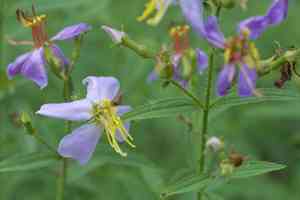
1
Pale Meadow Beauty flourishes in ample sunlight but can endure some shade.
2
Confirm your Pale Meadow Beauty receives a minimum of 6 hours of direct sun each day.
3
Employ reflective surfaces or mirrors to enhance light access in dim spots.
The Importance of Sunlight for Pale Meadow Beauty's Development
Energy Conversion and Growth
Sunlight powers photosynthesis, the process where plants turn light into energy. For Pale Meadow Beauty, ample sunlight ensures it generates the necessary energy to grow, flourish, and maintain its vibrant look. Without enough light, your plant might weaken and its growth could be hindered.
Vibrant Blooms and Floral Development
Pale Meadow Beauty is known for its stunning flowers. Sufficient sunlight is vital for the blooming process. Light initiates the flowering cycle, helping the plant produce its beautiful, delicate blossoms. If deprived of adequate sunlight, your plant may struggle to flower, reducing its overall visual appeal.
Optimal Sunlight Conditions for Pale Meadow Beauty
Full Sun vs. Partial Shade Requirements
Pale Meadow Beauty thrives best in full sun, meaning it requires at least 6 hours of direct sunlight daily. However, it can adapt to partial shade, especially during intense afternoon heat. In regions with harsh sun, providing some afternoon shade can prevent potential leaf burn.
Daily Light Exposure Duration
For peak growth and flowering, ensure your Pale Meadow Beauty receives 6 to 8 hours of sunlight each day. This doesn't need to be continuous; a mix of morning and early afternoon sun usually works well. Regularly checking light levels can help you make adjustments for better exposure.
How to Position Pale Meadow Beauty for Best Sunlight
Prime Garden Locations
Select a garden spot with clear access to sunlight, such as an open area away from tall trees or structures. South-facing locations typically offer the best sun exposure in the Northern Hemisphere. Placing your Pale Meadow Beauty in an ideal garden spot can greatly impact its health and appearance.
Utilizing Reflectors and Mirrors
If optimal natural sunlight isn't available, consider using reflectors or mirrors to boost light exposure. Position reflectors to direct extra sunlight onto the plant. This can be especially useful in partly shaded areas or during winter when sunlight is limited.
Common Sunlight-Related Issues and Solutions for Pale Meadow Beauty
Indicators of Excessive Sunlight
Watch for signs that your Pale Meadow Beauty is getting too much sunlight. Symptoms include yellowing leaves, leaf scorch, or brown tips. To reduce overexposure, you can provide partial shade during the hottest part of the day or move the plant to a less sunny location.
Indicators of Insufficient Sunlight
If your plant isn't receiving enough light, you might observe leggy growth, fewer flowers, or dull leaf color. To fix this, gradually move your Pale Meadow Beauty to a sunnier spot. Use artificial lighting if natural sunlight remains inadequate, ensuring the plant gets its required illumination.
Adjusting Sunlight for Seasonal Changes
Summer Sunlight Strategies
Summer sunlight can be intense. To protect your Pale Meadow Beauty, consider offering some shade during peak afternoon hours. Using garden shade cloths or relocating the plant to a slightly shaded area can help prevent sunburn and dehydration.
Winter Sunlight Strategies
In winter, shorter days and weaker sunlight can impact plant growth. Place your Pale Meadow Beauty in the sunniest available spot, often a south-facing window or bright garden corner. Supplemental artificial lights can also aid natural light during darker months.
The Role of Artificial Lighting for Pale Meadow Beauty
Suitable Artificial Light Types for the Plant
When natural sunlight is insufficient, artificial lighting can ensure your Pale Meadow Beauty receives the light it needs. Full-spectrum LED grow lights are highly recommended as they closely mimic natural sunlight. These lights should provide both blue light for growth and red light for blooming.
Placement and Duration for Artificial Lighting
Position your grow lights approximately 30 cm (12 inches) above the plant to simulate natural light conditions. Aim to provide 12 to 16 hours of light daily, especially during winter or in low-light environments. This duration ensures your Pale Meadow Beauty gets balanced light exposure for healthy growth.



