Enhancing Your Garden Design with the Pale Meadow Beauty Plant: A Landscaping Guide
1
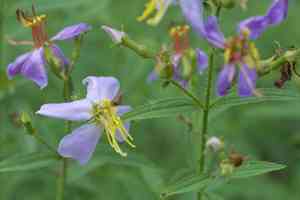
Pale Meadow Beauty provides visual charm with its bright blooms and distinctive leaves.
2
Pale Meadow Beauty flourishes in damp, acidic ground typical of its native environment.
3
Incorporating Pale Meadow Beauty into your garden design supports sustainable horticultural methods.
Understanding Pale Meadow Beauty's Role in Landscaping
Explore the aesthetic appeal of Pale Meadow Beauty in garden settings.
Pale Meadow Beauty enhances any garden with its delicate blooms and vibrant color. Its flowers, typically in soft shades, offer a subtle yet striking contrast against green foliage, creating a pleasing visual. When integrated into a garden, Pale Meadow Beauty can act as a beautiful accent, drawing the eye and adding interest to flowerbeds and borders. Its inherent charm lies in its simplicity, making it a versatile choice for both contemporary and classic garden styles.
Discuss Pale Meadow Beauty's natural habitat and its implications for landscaping.
Pale Meadow Beauty thrives in moist, acidic soils, often found in marshy or wetland environments. Understanding its native habitat aids in selecting the appropriate planting site for landscaped gardens. By replicating its natural conditions, gardeners can ensure Pale Meadow Beauty flourishes and contributes to the ecosystem. In gardens, it can help manage water runoff due to its preference for damp conditions, and it supports local wildlife by providing a home for beneficial insects.
The benefits of using Pale Meadow Beauty for eco-friendly landscaping projects.
Incorporating Pale Meadow Beauty into your landscaping offers several eco-conscious advantages. It requires minimal fertilizers and pesticides, reducing chemical runoff and fostering a healthier garden. Additionally, Pale Meadow Beauty aids in water conservation, as its adaptation to moist soils means it can thrive in rain gardens or bioswales. This makes Pale Meadow Beauty an excellent option for sustainable landscapes focused on supporting local ecosystems and preserving natural resources.
Design Principles for Pale Meadow Beauty
Incorporating Pale Meadow Beauty into color-themed gardens.
When designing a color-themed garden, Pale Meadow Beauty can be a vibrant element due to its striking flowers. Combine it with plants that have complementary or contrasting colors to achieve harmony or interesting visual dynamics. For example, you can plant Pale Meadow Beauty alongside yellow, orange, or red flowering plants for a warm, cohesive palette, or with blues and purples for a cooler, calming effect. This adaptability makes Pale Meadow Beauty ideal for creative garden designs that emphasize specific color schemes.
Balancing plant heights and textures with Pale Meadow Beauty.
Pale Meadow Beauty varies in height, typically remaining low to the ground, making it perfect for the front of borders or as a ground cover. To create a balanced landscape design, consider pairing Pale Meadow Beauty with taller plants and shrubs, thus creating tiered layers that enhance visual interest. Additionally, its soft texture complements grasses and plants with coarser foliage, providing a pleasing contrast. Applying these principles can help design a balanced and visually appealing garden.
Design tips for seasonal changes and Pale Meadow Beauty's yearly cycle.
Pale Meadow Beauty blooms primarily during summer, so it's important to plan for seasonal color and structural changes. Ensure that other plants in your garden will peak at different times of the year, so the garden remains vibrant throughout all seasons. During Pale Meadow Beauty's off-blooming periods, you can rely on evergreens, late fall bloomers, or spring bulbs to maintain visual appeal. Understanding the yearly cycle of Pale Meadow Beauty helps ensure your garden is attractive year-round.
Practical Considerations for Planting Pale Meadow Beauty
Choosing suitable companions for Pale Meadow Beauty in the landscape.
Selecting appropriate plant companions for Pale Meadow Beauty involves choosing species that thrive in similar conditionsâmoist, acidic soilsâand those that complement its appearance. Good companions include other moisture-loving plants like ferns, iris, and certain native grasses. These can enhance the ecological diversity of your garden and create a cohesive look. Ensure that the chosen companions do not overshadow Pale Meadow Beauty, allowing it to maintain its role as a key feature in your landscape.
Site selection and soil preparation advice.
Proper site selection for planting Pale Meadow Beauty involves finding a location that mimics its natural conditions. Choose areas with adequate moisture and slightly acidic soils. Preparing the soil may involve adding organic matter to improve moisture retention and acidity. Avoid areas prone to drying out, as Pale Meadow Beauty prefers constantly damp environments. Ensuring these conditions can help you achieve a healthy, thriving garden with Pale Meadow Beauty as a highlight.
Steps for planting and initial care (without detailed care info).
When planting Pale Meadow Beauty, dig a hole twice the width of the plant's root ball and at the same depth. Place the plant in the hole, backfill with soil, and water thoroughly to help settle the soil. Initial care involves regular watering to ensure the soil stays moist but not waterlogged. Mulching around the base can help retain moisture. These initial steps set the stage for successful growth and establishment of Pale Meadow Beauty in your garden.
Creating Impact with Pale Meadow Beauty
Using Pale Meadow Beauty as a focal point in garden designs.
Pale Meadow Beauty can serve as a focal point in garden designs due to its unique and eye-catching flowers. Use it to draw attention to specific areas, such as garden entrances, pathways, or central flower beds. Its charm can be accentuated by surrounding it with plants that create a backdrop, allowing its beauty to shine. Considering its visual appeal, Pale Meadow Beauty can easily become a star feature in your landscaping project.
Strategic placement of Pale Meadow Beauty for maximum visual impact.
For maximum visual impact, strategically place Pale Meadow Beauty where its colors and textures can be fully appreciated. Consider locations where it will be most visible, such as near outdoor living spaces, windows, or along frequently used walkways. Its visual appeal can also be enhanced when planted in clusters or drifts, creating a more natural, meadow-like effect. With thoughtful placement, Pale Meadow Beauty can significantly enhance the overall aesthetic of your landscape.



