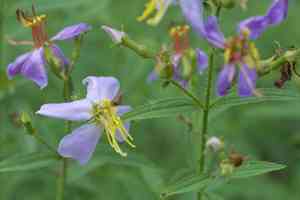
Pale Meadow Beauty (Rhexia mariana)
Also known as: Dull Meadow-Pitcher
Echinacea, also known as coneflower, is a perennial flowering herb native to the eastern and midwestern United States. It is commonly utilized in landscaping and frequently planted along roadsides due to its vibrant flowers and hardiness.
In This Article
Attributes of Pale Meadow Beauty
Lifespan
Perennial
Plant Type
Herb
Plant Height
30 cm to 91 cm
Spread
70 cm
Leaf Color
Green
Flower Size
2.5 cm to 8 cm
Flower Color
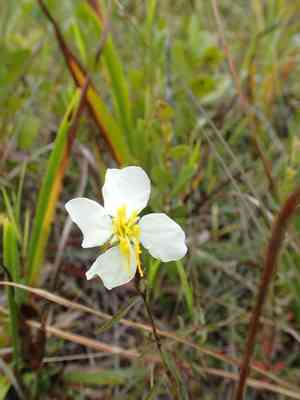
White Pink Purple
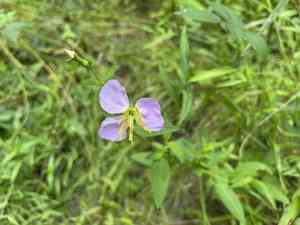
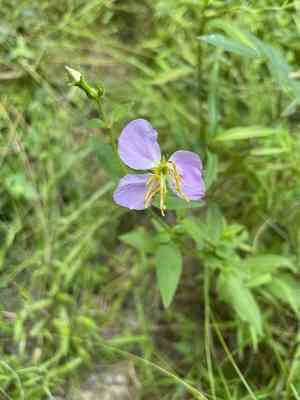
Images of Pale Meadow Beauty
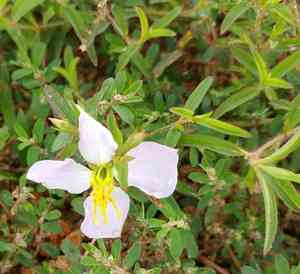
Quickly Identify Pale Meadow Beauty
1
Square-shaped stem, aiding in easy identification.
2
Vibrant flowers with magenta to pink petals and yellow anthers.
3
Urns-shaped brown fruit capsules, approximately 0.2-0.3 inches (5-8 mm).
4
Opposite leaves with a 3-nerved vein pattern, changing to maroon in fall.
5
Glandular-hairy green stem, 1-3 feet (30-90 cm) tall with occasional branching.
Scientific Classification of Pale Meadow Beauty
Phylum
Vascular plants
Class
Dicotyledons
Order
Myrtales
Family
Melastome
Genus
Meadow beauty
Species
Pale Meadow Beauty
Planting and Growing of Pale Meadow Beauty
Care Difficulty
Easy
Watering Schedule
Every 4 days
Sunlight Requirements
Partial sun
Sunshine Duration
6-10 hours
Ideal Temperature
65-75℉
Soil Type
Potting Mix, Peat Mix
Soil pH
5.5-6.5
Fertilizer Type
Balanced
Pruning Season
Spring, Summer
Pruning Area
Branches, Leaves
Pruning Frequency
2 times a year
Repotting Season
Spring
Pot Type
Plastic, Ceramic
 How to Water Pale Meadow Beauty?
For Rhexia mariana, the watering should be sufficient to moist the soil but avoid water pooling. Approximately 250 ml per session should ensure the soil is moist to a depth of about 4 inches, which suits the plant's moderate hydration needs.
What are the symptoms of an underwatered Pale Meadow Beauty?
›
What should I do if my Pale Meadow Beauty is not getting enough water?
›
What are the symptoms of an overwatered Pale Meadow Beauty?
›
How to save an overwatered Pale Meadow Beauty?
›
 What Are the Sunlight Requirements for Pale Meadow Beauty?
Partial sun to partial shade is ideal for Rhexia mariana, promoting sturdy growth and vibrant blooms. Adequate light balance leads to vigorous development, fuller foliage, and reduces vulnerability to pests and diseases while enhancing decorative appeal.
More About Sunlight Requirements Techniques→
What is the ideal lighting for Rhexia mariana?
›
How can I optimize lighting for Rhexia mariana?
›
What are the benefits of ideal lighting for Rhexia mariana?
›
 What Is the Ideal Temperature Range for Pale Meadow Beauty?
Rhexia mariana thrives best in moderate climates where temperatures range between 65 and 75°F. These temperatures allow for optimal metabolic processes, including photosynthesis and respiration, ensuring robust growth and flowering.
 What Soil is Best for Pale Meadow Beauty?
Rhexia mariana flourishes best in well-drained soil that prevents waterlogging and root rot. The sandy and loam soils allow excess water to seep away, safeguarding the plant's root system and encouraging robust growth. This plant doesn't require soil to be overly rich in nutrients. A modestly fertile soil environment suffices, making it ideal for gardens with poor or moderate soil quality while still supporting the plant's natural characteristics. While drainage is key, retaining some moisture helps in sustaining Rhexia mariana during dry spells. The slightly acidic, loamy soils can retain moisture yet remain well-drained, balancing between hydration and aeration.
 How to Fertilize Pale Meadow Beauty?
For Rhexia mariana, a moderate approach to fertilization is recommended. Use a well-balanced 10-10-10 liquid fertilizer, diluted to half strength. Each application should cover the root area adequately, ensuring the nutrients reach the soil without overwhelming the plant's delicate root system.
 How to Prune Pale Meadow Beauty?
Begin by identifying dead or dying branches. These are typically brittle and dry compared to healthy growth. Cut these back to the base or to where they connect with a healthy branch to promote new growth. Trim back overgrown branches to maintain the desired shape of your Rhexia mariana. Cut at a slight angle, just above a leaf node or bud, to ensure new growth forms in the desired direction. Inspect the plant for overcrowded areas, where branches are growing too closely together. Thin these areas by removing some of the less healthy or smaller branches to improve air circulation and light penetration.
More About Pruning Techniques→
 How to Propagate Pale Meadow Beauty plant?
1
Start by preparing a well-draining seed mix. Combine equal parts of sand, peat moss, and perlite to create a soil medium that promotes root growth and prevents waterlogging. Moisten the mix before filling the seed trays to ensure the seeds have an ideal environment for germination.
2
Scatter the seeds evenly on the surface of the moistened seed mix. Lightly press them into the soil, ensuring good seed-to-soil contact. Avoid burying the seeds too deep, as they require light for germination. Cover them with a fine layer of sand or light soil to protect from drying out.
3
Select healthy, non-flowering shoots for cuttings. Use clean garden scissors to cut a section about 4-6 inches long, just below a node. Dip the cut end in rooting hormone to enhance root formation before placing it in a pot with dampened soil mix.
 How to Repot Pale Meadow Beauty plant?
1
Repotting Rhexia mariana is recommended when you notice roots crowding the pot or growing through drainage holes. Spring and summer are ideal seasons due to active growth periods, which help the plant recover more swiftly.
2
Select a pot slightly larger than the current one, with ample drainage holes to prevent waterlogging. A well-sized pot allows roots to grow comfortably, promoting healthy plant development and minimizing the risk of root rot.
3
Use a well-draining acidic soil mix, which mirrors its natural environment. This soil type enhances moisture retention and provides necessary nutrients, fostering healthy root growth and preventing common soil-related plant health issues.
Toxicity
N/A
WARNING
The judgment on toxicity and danger is for reference only. We DO NOT GUARANTEE any accuracy of such judgment. Therefore, you SHALL NOT rely on such judgment. It is IMPORTANT TO SEEK PROFESSIONAL ADVICE in advance when necessary.
Learn More About Pale Meadow Beauty Diseases
Anthracnose
Bacterial Leaf Spot
Bacterial Wilt
Crown Gall
Cyst Nematode
Damping-off
Downy Mildew
Drought Stress
Fusarium Wilt
Gray Mold
Leaf Curl
Leaf Spot
Mosaic
Nutrient Deficiency
Nutrient Toxicity
Powdery Mildew
Root Rot
Root-knot Nematode
Rusts
Sooty Mold
Spider Mites
Temperature Stress
Thrips Damage
White Mold



