How to Propagate Pale Meadow Beauty?
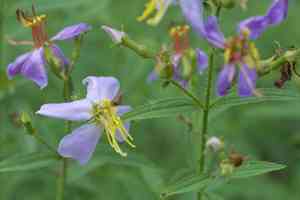
A resilient and captivating wild bloom, pale Meadow Beauty thrives in damp, sandy, or peaty environments. For gardeners aiming to grow this exquisite plant, reproduction is typically accomplished by seeding. Seeds should be scattered on the surface of a damp, adequately drained substrate, given their requirement for sufficient illumination to sprout. Maintaining a steady level of moisture is vital for the successful growth of young plants. Although patience is essential, as sprouting may take time, the payoff is a brilliant showcase of pale Meadow Beauty's magenta blossoms, drawing beneficial insects to the landscape.
Optimal Period for Propagating Pale Meadow Beauty?
Propagation Method
Seeding
Propagation Season
Spring
Tools Utilized in Pale Meadow Beauty Propagation?
Seed trays
Seed trays are crucial for planting pale Meadow Beauty seeds. They offer a controlled setting, vital during the initial germination phases. Their compact design ensures efficient space and material usage while maintaining proper seed separation, preventing overcrowding and fostering healthy root growth.
Sterile potting mix
A sterile potting mix is essential for propagating pale Meadow Beauty from seeds. This medium is free of pathogens and weed seeds, providing a safe start for delicate seeds and ensuring they receive the necessary nutrient balance without disease risk or competition. The mix's texture and consistency also promote proper drainage and aeration, critical for seed germination and young plant development.
Fine mist spray bottle
A fine mist spray bottle is employed to gently water pale Meadow Beauty seeds without disturbing their position or causing soil erosion. The mist delivers the required moisture for seed germination, helping maintain optimal humidity around the seeds, which is crucial for their development.
Grow lights (if indoors)
Grow lights are advantageous if propagating pale Meadow Beauty indoors. They provide a consistent light source, critical for the germination and early development of pale Meadow Beauty. These lights simulate natural sunlight, driving photosynthesis and ensuring a stable growth environment, thereby increasing the chances of successful propagation.
Heating mat
A heating mat is used to maintain an ideal soil temperature, which is particularly important for pale Meadow Beauty's germination process. The warmth provided by the mat encourages faster germination by ensuring consistent soil temperature, especially crucial in cooler climates or during off-season propagation.
How to Propagate Pale Meadow Beauty?
Propagation Type
Simple
How to Nurture Your Newly Propagated Pale Meadow Beauty?
How to Nurture Your Newly Propagated Pale Meadow Beauty?
Pale Meadow Beauty thrives in full sun to partial shade and moist, well-drained soil. Consistent watering is vital, especially during dry spells, to keep the soil adequately moist. Mulching helps retain soil moisture and suppress weeds. Remove spent flowers to encourage continuous blooming and prevent unwanted self-seeding. As a native plant, pale Meadow Beauty is generally low-maintenance and does not require frequent fertilization.
Common Errors to Avoid When Propagating Pale Meadow Beauty
Overwatering
Excessive soil saturation can lead to root rot in pale Meadow Beauty, a moisture-sensitive species. Overwatered plants may show wilting, yellowing leaves, and stunted growth, often mistaken for drought stress.
Underestimating sunlight needs
Pale Meadow Beauty requires sufficient sunlight to flourish. Insufficient light can result in leggy growth and poor flowering, compromising the plant's health and aesthetic appeal.
Neglecting soil conditions
Pale Meadow Beauty prefers well-drained acidic soil. Planting in soil that is too alkaline, heavy, or poorly drained can impede root development and reduce propagation success.
Over-fertilizing
While pale Meadow Beauty benefits from some nutrients, excessive fertilizer can burn the roots and disrupt the plant's natural growth, leading to poor blossoming and propagation outcomes.
Advice for Propagating Pale Meadow Beauty
Stem cuttings
Using sharp, clean tools to take stem cuttings from pale Meadow Beauty ensures healthy propagation material and prevents disease transmission.
Maintaining humidity
Pale Meadow Beauty cuttings flourish in humid conditions. Covering them with a plastic dome or bag can maintain moisture and encourage rooting without waterlogging the soil.
Appropriate potting mix
A blend of peat, perlite, and sand creates an ideal environment for pale Meadow Beauty propagation, providing the necessary acidity, drainage, and support for developing roots.
Gradual acclimatization
Once pale Meadow Beauty cuttings develop roots, slowly acclimating them to the outdoor environment is crucial to prevent shock, ensuring a smooth transition from propagation to planting.



