How to Prune Pale Meadow Beauty?
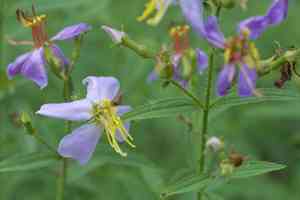
This enduring wild bloom, featuring rose-pink flowers and flourishing in damp environments, benefits from trimming to foster denser development and boost floral production. The most effective trimming for pale Meadow Beauty entails nipping the ends of nascent stems in spring to stimulate branching. Removing faded blooms in summer can prolong the flowering season. Trimming ought to be minimal, primarily for shaping the plant and eliminating deceased or impaired stalks, ideally in spring or autumn. Consistent trimming can improve air movement, lower the chance of illness, and preserve an appealing structure.
What Are the Benefits of Pruning Pale Meadow Beauty?
What Are the Benefits of Pruning Pale Meadow Beauty?
Trimming pale Meadow Beauty promotes abundant flowering and robust development. It assists in preserving its desired form, preventing excessive growth, and ensuring a neat look. A pruned pale Meadow Beauty is more likely to flourish and remain vigorous.
What Is the Best Time for Pruning Pale Meadow Beauty?
What Is the Best Time for Pruning Pale Meadow Beauty?
Pruning pale Meadow Beauty from Late Winter to Early Spring ensures the plant's resources aren't wasted on parts to be removed. This timing also avoids disrupting pale Meadow Beauty's bloom cycle, as it flowers in early summer. Removing dead or damaged tissue at this time helps prevent disease and pests, and stimulates new growth for the upcoming season. It's also a dormant period, reducing stress and aiding faster recovery. Fall pruning is not advised as it can encourage new growth that might not harden before winter, making the plant vulnerable to cold damage.
What Tools Do I Need to Prune Pale Meadow Beauty?
Bypass Pruners
Perfect for making precise cuts on pale Meadow Beauty, bypass pruners operate like scissors and are less likely to harm the stems.
Snips
Pale Meadow Beauty has delicate stems, so using snips offers accuracy for thinning or deadheading without damaging nearby stems.
Gloves
When handling pale Meadow Beauty, gloves protect hands from any sharp edges and ensure a safe gardening experience.
How to Prune Pale Meadow Beauty
Remove Diseased Leaves
Identify and carefully remove any leaves showing signs of illness from pale Meadow Beauty to prevent further spread. Use sterilized pruning shears to cut the leaves at the stem's base, ensuring a clean cut without harming healthy surrounding tissue.
Trim Withered Leaves
Locate leaves on pale Meadow Beauty that have dried out or shriveled. Carefully trim these leaves close to the stem to encourage healthier growth and improve air circulation around the plant. Make cuts at a slight angle to aid healing and deter water accumulation.
Deadhead Flowers
Deadhead spent flowers by snipping them off just below the flower head or above the first set of healthy leaves. This encourages pale Meadow Beauty to produce more blooms and maintain a tidy appearance. Deadheading can also redirect the plant's energy from seed production to vegetative growth.
Dispose Of Trimmed Material
Discard all trimmed material, especially diseased leaves, in a way that minimizes the risk of disease transmission. Do not compost diseased plant parts, as they may harbor pathogens that could infect other plants.
Clean Tools
After pruning pale Meadow Beauty, clean and sanitize your pruning tools to prevent the spread of disease to other plants. Wipe the blades with a solution of 1 part bleach to 9 parts water, rinse with clean water, and dry thoroughly.
Common Pruning Mistakes with Pale Meadow Beauty
Overpruning
Removing too much foliage from pale Meadow Beauty can weaken the plant by reducing its ability to photosynthesize effectively, which may hinder its growth and flowering potential.
Incorrect Cuts
Making cuts that are either too close to the main stem or leaving too long a stub can introduce pests and diseases to pale Meadow Beauty or prevent proper healing of the wounds.
Pruning Healthy Tissue
Unnecessarily cutting away healthy leaves and stems can stress pale Meadow Beauty, as it reduces the plant's ability to generate energy for vigorous growth.
Dull Tools
Using dull or unclean pruning tools can damage the stems of pale Meadow Beauty, creating jagged cuts that take longer to heal and are more susceptible to infection.
Neglecting To Shape
Failing to maintain the natural shape of pale Meadow Beauty while pruning can lead to an unbalanced appearance and potentially affect the plant's overall health.
Common Pruning Tips for Pale Meadow Beauty
Sharp Tools
Always use sharp, clean pruning shears to make clean cuts on pale Meadow Beauty, which helps promote quick healing and reduces the risk of disease.
Angled Cuts
Performing angled cuts just above the leaf nodes can help direct new growth and prevents water from collecting on the cut surface, minimizing the risk of rot.
Removal Of Dead Material
Removing dead or diseased stems and flowers from pale Meadow Beauty will help redirect energy to healthier parts of the plant, encouraging growth.
Thin Crowded Areas
Thinning out crowded areas by selectively pruning can improve air circulation around pale Meadow Beauty, reducing the likelihood of mold and mildew development.
Prune For Aesthetics And Health
Prune pale Meadow Beauty to maintain an attractive shape and size, but also to facilitate healthy growth by cutting back areas that have become overgrown or are starting to encroach on other plants.



