How Much Sunlight Do Common fleabane Need?
1
Common fleabane flourishes optimally in areas receiving full sun, requiring more than 6 hours of direct sunlight each day.
2
This adaptable plant is also capable of enduring partial shade, allowing it to suit diverse garden conditions.
3
Adequate sunlight exposure is crucial for the best blooming and development of Common fleabane.
Ideal Light Conditions for Common Fleabane
Full Sun vs. Partial Shade
When selecting the prime location for your Common Fleabane, understanding the distinction between full sun and partial shade is essential. Common Fleabane thrives in full sun, meaning it gets six or more hours of direct sunlight daily. This exposure level encourages strong development and plentiful blossoms. However, it can also endure partial shade, where it receives approximately 3 to 6 hours of sunlight. This makes it a versatile addition to your garden, suitable for various light environments.
Seasonal Light Fluctuations
Sunlight availability changes with the seasons, and Common Fleabane adapts well to these shifts. During spring and summer, it should receive ample full sunlight to support its peak growth and flowering stages. As autumn approaches and days shorten, the need for sunlight slightly decreases, but maintaining a bright setting will help keep the plant healthy. In winter, if grown outdoors, ensuring Common Fleabane isn't in complete shade is crucial for its survival until the next growing season.
Recommended Daily Sunlight Hours
For optimal development, Common Fleabane benefits most from about 6 to 8 hours of direct sunlight each day. This spans the warmer months, from late spring to early autumn. Ensuring this exposure will help the plant reach its full potential in terms of blooming and overall vitality. Paying attention to how much light your garden receives throughout the day and adjusting the plant's placement accordingly can significantly impact its health.
Impacts of Improper Sunlight Exposure
Excessive Sunlight
While Common Fleabane loves sunlight, too much, especially in extremely hot conditions, can cause stress. Signs of overexposure include scorched leaves, browning, and a dried-out appearance. If you observe these symptoms, consider providing some shade during peak afternoon hours or moving the plant to a spot that receives filtered light.
Insufficient Sunlight
Conversely, inadequate sunlight can impede the growth of Common Fleabane. Symptoms of too little light include elongated stems, reduced flowering, and pale or yellowing leaves. If your plant shows these signs, try relocating it to a brighter spot, ensuring it gets the recommended 6 to 8 hours of daily sunlight for optimal health.
Tips for Managing Sunlight for Common Fleabane
Garden Placement
To maximize available sunlight, position your Common Fleabane in a south-facing area where it can receive sun for most of the day. Avoid planting it in spots heavily shaded by taller plants or structures, as this can limit the necessary sunlight exposure. When planning your garden layout, consider the sun's movement across your space and choose a location that remains sunny throughout the day.
Utilizing Artificial Light
When natural sunlight is insufficient, particularly during shorter winter days, artificial lighting can supplement Common Fleabane's light requirements. Using grow lights designed for plants can help simulate the sunlight they lack. Position the lights approximately 30-40 cm (12-16 inches) above the plant, and keep them on for about 10-12 hours daily to mimic a longer day.
Adapting to Seasonal Changes
As seasons shift, so do sunlight patterns. During periods of lower natural light, consider moving your Common Fleabane to a location where it can receive the maximum available light. Periodically rotating the plant can also ensure all sides get adequate exposure, promoting even growth. Being proactive in adjusting to seasonal light variations will help maintain the plant's health year-round.
Clear Indicators of Proper Sunlight for Common Fleabane
Healthy Growth Signs
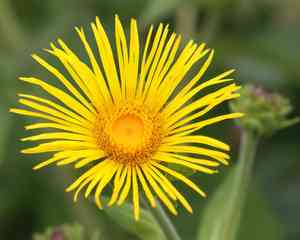
When receiving the correct amount of sunlight, Common Fleabane displays robust and healthy growth. Look for lush, green foliage, strong stems, and a generally vibrant look. Consistent blooming cycles, with numerous bright yellow flowers, indicate appropriate sunlight conditions. Monitoring these signs can help you assess if your plant's lighting needs are being met.
Optimal Flowering Patterns
The flowering pattern of Common Fleabane is a crucial indicator of its overall health and sunlight adequacy. Ideally, you should observe an abundance of blooms during its peak flowering season. Each flower should be vibrant and well-formed, without signs of wilting or discoloration. Regular and prolific flowering suggests that the plant is receiving the optimal amount of sunlight necessary for its growth.



