How to Prune Common fleabane?
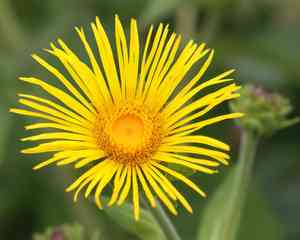
A persistent herbaceous plant featuring blossoms resembling daisies, common fleabane flourishes in a meticulously cared-for garden. Remove withered or faded flower heads to stimulate additional flowering and sustain the plant's vigor. The best time for trimming is in spring or summer, coinciding with common fleabane's period of active development. Cutting back in late summer contributes to a neat look and can deter self-propagation if preferred. Trimming also improves air movement, lowering the chance of illness. Thoughtful pruning yields a more vigorous and thriving common fleabane for cultivators.
What Are the Benefits of Pruning Common Fleabane?
What Are the Benefits of Pruning Common Fleabane?
Trimming common fleabane promotes more robust, vigorous development and helps maintain its desired shape. Regular cutting prevents overcrowding, allowing light and air to reach the core for a healthier plant.
What Is the Best Time for Pruning Common Fleabane?
What Is the Best Time for Pruning Common Fleabane?
Early spring trimming enables common fleabane to recover swiftly and produce new growth as its energy increases with the season's warmth. This timing also avoids cutting the plant before it flowers, which typically happens in summer. Late summer pruning, after flowering, removes spent blooms and helps prevent unwanted self-seeding. It also shapes common fleabane and prepares it for winter by encouraging new growth that can harden off before the first frosts.
What Tools Do I Need to Prune Common Fleabane?
Hand Pruners
Common fleabane is an herbaceous perennial that typically doesn't develop large or woody stems, making hand pruners ideal for cutting back dead or overgrown foliage. Hand pruners allow for precise cuts that encourage healthy regrowth.
Gardening Scissors
For shaping common fleabane or deadheading, gardening scissors can be particularly useful. Their finer blades help make accurate cuts without harming nearby stems or flowers, ensuring common fleabane maintains a desirable form and can focus energy on new growth.
Shears
If common fleabane has formed a large clump and requires more extensive shaping or thinning, shears are suitable for cutting back larger areas uniformly. They are appropriate for managing dense foliage without applying excessive force.
Pruning Saw
In the rare event that common fleabane has any old or thicker stems difficult to cut with pruners or shears, a small pruning saw might be necessary. Though less common, a saw can cleanly cut through thicker growth, minimizing plant stress.
How to Prune Common Fleabane
Disinfect tools
Before pruning common fleabane, thoroughly sanitize all pruning tools to prevent disease spread. Use a solution of 1 part bleach to 9 parts water to clean shear or pruner blades, ensuring they are pathogen-free before making any cuts.
Remove diseased leaves
Carefully inspect common fleabane for signs of diseased leaves. Using your disinfected pruning tools, remove any leaves showing disease symptoms, being careful not to damage healthy tissue. Make clean cuts and remove the leaves from the area to prevent potential disease spread.
Prune withered leaves
Identify withered or dead leaves on common fleabane, which may appear dry, brown, or brittle. Gently trim these leaves at their base where they meet the stem, being cautious not to harm fresh green growth. This promotes healthy growth and maintains an attractive appearance.
Cut diseased stems
Inspect common fleabane for any stems exhibiting disease signs, such as discoloration, cankers, or abnormal growths. Using sharp, disinfected pruning tools, make a clean cut below the affected area, ensuring you cut into healthy tissue to prevent disease spread.
Dispose materials
After pruning common fleabane, securely dispose of all diseased leaves and stems to avoid contaminating compost or healthy garden areas. Clean and disinfect your pruning tools again to eliminate any remaining pathogens.
Common Pruning Mistakes with Common Fleabane
Over pruning
Removing too much foliage at once can shock common fleabane and hinder its growth. A good guideline is to never remove more than one-third of the plant in a single pruning session.
Incorrect cuts
Making cuts too far from the bud can result in unsightly stems and potential entry points for disease. Cuts should be made at a 45-degree angle just above an outward-facing bud or leaf node.
Neglecting tools
Using dull or dirty pruning shears can damage common fleabane stems and introduce diseases. Always use sharp, clean tools when pruning.
Pruning without reason
Trimming common fleabane without understanding the specific purpose or goal can lead to misshapen growth or reduced blooming. Only prune if there's a clear objective such as shaping, removing dead material, or encouraging new growth.
Ignoring disease signs
Failing to recognize disease or pest signs before pruning can lead to further spread. Always inspect common fleabane before pruning and sterilize tools if disease signs are present.
Common Pruning Tips for Common Fleabane
Selective pruning
Focus on removing only dead, damaged, or diseased foliage to allow common fleabane to direct its energy to healthy growth. This also helps maintain the plant's natural form.
Timing personal growth cycles
Prune common fleabane at times that align with its individual growth cycle, focusing on rejuvenation or shaping during active growth periods.
Incremental pruning
Gradually prune over time rather than all at once, especially with larger or overgrown common fleabane specimens. This minimizes stress and allows the plant to recover more quickly.
Watering after pruning
Provide common fleabane with a thorough watering after pruning. This aids in the recovery process and encourages new growth.
Mulching post pruning
Apply a layer of mulch around the base of common fleabane after pruning. This helps retain moisture and protect newly cut areas from temperature extremes.



