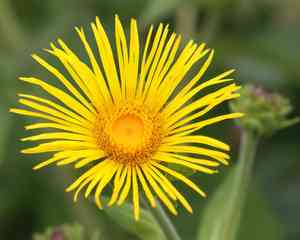
Common fleabane (Pulicaria dysenterica)
Also known as: Middle fleabane
Common fleabane (Pulicaria dysenterica) is a plant in the daisy family that resembles a smaller, more delicate sunflower, featuring a bright yellow center and slender yellow petals. Historically, it was burned as incense to ward off pests like fleas, ticks, and mosquitos. However, it hasn't been shown to be an effective insect repellent in modern times.
In This Article
Attributes of Common fleabane
Lifespan
Perennial
Plant Type
Herb
Plant Height
50 cm to 1 m
Spread
N/A
Leaf Color
Green
Flower Size
1.5 cm to 3 cm
Flower Color
Yellow
Images of Common fleabane
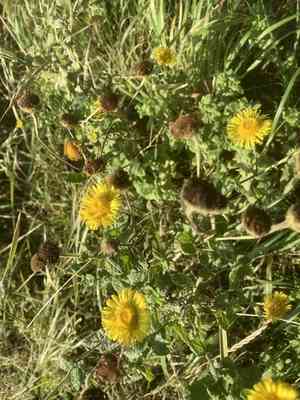
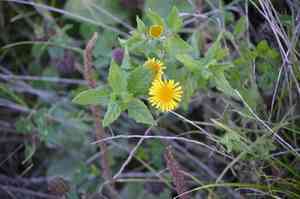
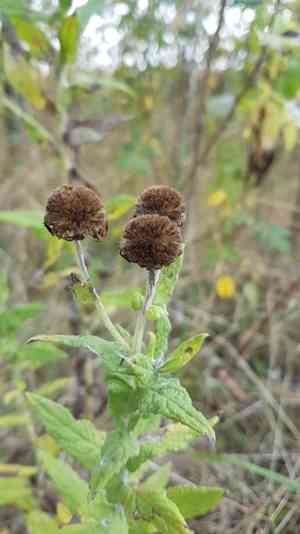
Quickly Identify Common fleabane
1
Pulicaria dysenterica can be identified by its densely hairy stems, oblong leaves with a downy underside, and bright yellow, daisy-like flowers with a diameter of about 20-25 mm. The plant often grows up to 60 cm tall.
Scientific Classification of Common fleabane
Phylum
Vascular plants
Class
Dicotyledons
Order
Asterales
Family
Daisy
Genus
False fleabane
Species
Common fleabane
Planting and Growing of Common fleabane
Care Difficulty
Easy
Watering Schedule
Every 4 days
Sunlight Requirements
Full sun
Sunshine Duration
6-10 hours
Ideal Temperature
60-77℉
Soil Type
Potting Mix, Peat Mix
Soil pH
6.5-7.5
Fertilizer Type
Balanced
Pruning Season
Spring, Summer
Pruning Area
Branches, Leaves
Pruning Frequency
Once a year
Repotting Season
Spring
Pot Type
Plastic, Terracotta
 How to Water Common fleabane?
Pulicaria dysenterica, commonly known as Common Fleabane, requires a consistent watering approach. An ideal volume is approximately 500 milliliters per session, ensuring that the soil remains moist yet not waterlogged. The rule of thumb here is that the water should seep deep into the soil but there should be no standing water, which can lead to root rot.
What are the symptoms of an underwatered Common fleabane?
›
What should I do if my Common fleabane is not getting enough water?
›
What are the symptoms of an overwatered Common fleabane?
›
How to save an overwatered Common fleabane?
›
 What Are the Sunlight Requirements for Common fleabane?
Pulicaria dysenterica performs best in full sun to partial sun, ideally within 4 to 6 hours of exposure. Ideal light conditions enhance flowering and improve plant vigor and vitality.
More About Sunlight Requirements Techniques→
What is the best light exposure?
›
What are the solutions for ideal lighting?
›
What are the benefits of ideal lighting?
›
 What Is the Ideal Temperature Range for Common fleabane?
The ideal temperature for growing Pulicaria dysenterica is between 60°F and 77°F. This range provides an environment that mimics the plant's natural habitat, allowing it to thrive. Maintaining these temperatures ensures optimal growth and flowering, as they support the plant's physiological processes without causing stress.
 What Soil is Best for Common fleabane?
Pulicaria dysenterica thrives in well-drained soil, which prevents waterlogging and root rot. This kind of soil allows air to circulate well, providing roots with the necessary oxygen for optimal growth and health. This plant prefers moderately moist conditions, which help maintain lush foliage and vibrant blooms. Consistent moisture supports its natural habitat needs, ensuring robust growth and healthy flowering. A soil rich in organic matter supports Pulicaria dysenterica by providing essential nutrients. This enrichment encourages strong development and enhances the plant's resilience against pests and diseases.
 How to Fertilize Common fleabane?
For Pulicaria dysenterica, a light touch is essential when it comes to fertilization. Ideally, use a balanced 10-10-10 liquid fertilizer, applying around 1/2 teaspoon per gallon of water. Too much fertilizer can harm the plant, so make sure to dilute the solution properly.
 How to Prune Common fleabane?
Begin by sanitizing your pruning shears to prevent infection. Identify dead or damaged stems and remove them at the base. For general maintenance, trim back the longer stems to shape the plant and promote bushier growth. Always make clean, angled cuts just above a leaf node to encourage new shoots.
More About Pruning Techniques→
 How to Propagate Common fleabane plant?
1
To propagate Pulicaria dysenterica by seeds, sow them in a seed tray filled with a well-draining soil mix. Lightly cover the seeds with soil and keep them moist until germination.
2
Propagation by division involves carefully digging up the plant and separating it into smaller sections. Each section should contain a healthy root system and foliage for best results.
3
Once seedlings have developed a strong root system, transplant them into individual pots or directly into the garden, ensuring they have enough space to grow without competition.
 How to Repot Common fleabane plant?
1
Observe Pulicaria dysenterica for signs of root-bound conditions or its outgrowing current pot. With roots protruding from drain holes or stunted growth, it's time to repot, preferable during active growth in spring or early summer.
2
Select a pot with excellent drainage and slightly larger than the current one. This allows roots to expand and prevents water from pooling at the bottom, which can lead to rotting, promoting healthier plant growth.
3
Opt for a well-draining soil mix, catering to Pulicaria dysenterica's preference for not overly saturated roots. A lighter mix ensures aeration and drainage, avoids root rot, and keeps the plant healthy and thriving.
Learn More About Common fleabane Diseases
Anthracnose
Bacterial Leaf Spot
Bacterial Soft Rot
Bacterial Wilt
Black Spot
Chemical Injury
Crown Gall
Cyst Nematode
Damping-off
Downy Mildew
Drought Stress
Fusarium Wilt
Gray Mold
Leaf Curl
Leaf Spot
Mosaic
Nutrient Deficiency
Nutrient Toxicity
Powdery Mildew
Root Rot
Root-knot Nematode
Rusts
Sooty Mold
Spider Mites
Temperature Stress
Thrips Damage
White Mold



