How to Propagate Common fleabane?
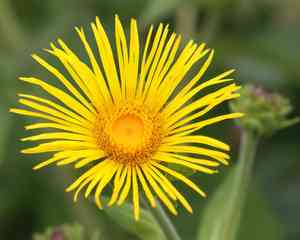
Erigeron annuus flourishes when reproduced via seeding. For robust development, it is crucial to employ a growing medium that drains effectively and to sustain dampness without saturation. Disperse the seeds superficially since they necessitate illumination for sprouting. The ideal ground temperature for germination spans from 18-22°C (64-72°F). Careful manipulation and limited disruption facilitate superior root anchoring.
Optimal Time for Common Fleabane Propagation
Propagation Method
Seeding
Propagation Period
Spring
Tools for Common Fleabane Propagation
Seed trays
Seed trays are vital for initiating common fleabane's propagation via sowing. These containers offer a controlled setting for seed sprouting, ensuring consistent moisture, temperature regulation, and efficient space utilization. Shallow trays are especially beneficial as they accommodate the shallow seeding depth common fleabane requires, simplifying the management and observation of the germination process.
Fine vermiculite or perlite
Incorporating fine vermiculite or perlite into the soil within seed trays enhances drainage and aeration, critical characteristics for common fleabane seed germination. These materials help maintain an ideal moisture balance, essential for preventing issues like mold or fungal growth that could jeopardize seed viability.
Misting bottle
A misting bottle is employed to gently irrigate common fleabane seeds without disturbing their placement or exposing them to excessive water pressure, which can impede germination. The fine mist ensures uniform soil moisture, fostering consistent germination rates across the tray.
Labels and markers
Utilizing labels and markers is important for organizing various batches of common fleabane sowings. This assists in tracking germination rates, growth progress, and any specific care or treatment interventions, enabling more customized growth protocols and data collection throughout the propagation phase.
How to Propagate Common Fleabane?
Propagation Type
Simple
Caring for Your Newly Propagated Common Fleabane
Caring for Your Newly Propagated Common Fleabane
After propagating common fleabane, ensure plants receive ample sunlight and regular watering, allowing the soil to dry slightly between waterings. Common fleabane thrives in well-drained soil, and occasional feeding with a balanced fertilizer during the growing season can promote healthier growth. As common fleabane is relatively resilient, minimal pruning is needed, primarily to remove any dead or damaged foliage to maintain plant tidiness.
Common Mistakes to Avoid When Propagating Common Fleabane
Overwatering
Excessive watering of common fleabane during propagation can lead to root rot and fungal problems, as the plant prefers well-drained conditions. This error can severely impair the plant's ability to establish a robust root system.
Deep planting
Planting common fleabane cuttings or seeds too deeply can impede their development. Common fleabane requires light for optimal seed germination, and cuttings need sufficient air exposure for roots to properly form.
Ignoring plant hygiene
Using unsterilized tools or contaminated soil can introduce pathogens that negatively impact common fleabane's propagation success. This can result in diseased plantlets and poor overall health.
Tips For Propagating Common Fleabane
Moderate watering
Maintaining a balanced watering regimen is crucial for common fleabane. The soil should remain moist but not waterlogged to support healthy root development without encouraging rot.
Use of rooting hormone
Applying a rooting hormone to common fleabane cuttings can significantly enhance root development. This promotes healthier, more vigorous growth and increases propagation success rates.
Proper depth and light exposure
When sowing seeds or planting cuttings of common fleabane, ensure they are at a shallow depth. This allows for adequate light exposure, which is vital for germination and initial growth stages.



