How Much Sunlight Do Yellow Fringed Orchid Need?
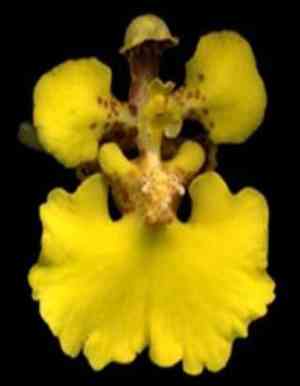
1
Yellow Fringed Orchid flourishes optimally with over six hours of daily sun exposure.
2
It can endure some dappled light, though too much shade could hinder flower production.
3
Varying light exposure with the seasons is vital for preserving the plant's well-being.
Optimal Solar Exposure for Yellow Fringed Orchid
Ideal Illumination Conditions
The Yellow Fringed Orchid thrives in settings where it receives ample solar radiation. Ideally, this orchid should bathe in over 6 hours of daily sunlight. Such circumstances promote peak growth and vibrant flowering. While some shade is tolerable, prolonged periods without sufficient light may negatively impact its blooming capacity.
Native Environment and Sun Exposure
Yellow Fringed Orchid naturally occurs in open, sunny meadows and moist fields. In its native habitat, it enjoys unfiltered sun exposure, which guides its growth cycle. Replicating these conditions in your garden, whether indoors or out, is crucial for its success.
How to Provide Perfect Sunlight for Indoor Yellow Fringed Orchids
Selecting Appropriate Windows
When cultivating Yellow Fringed Orchids indoors, placement is vital. Choose south or west-facing windows where the orchid can capture maximum natural illumination. These windows typically allow the greatest amount of direct sunlight, which is essential for this plant's vitality. If unavailable, east-facing windows can be a decent alternative, though supplemental lighting might be needed.
Artificial Illumination Options
If natural light is limited, consider installing artificial lights. Full-spectrum LED lights are perfect as they mimic the sun's natural spectrum. To ensure adequate illumination, position the lights 30-45 cm (12-18 inches) above the orchid for approximately 14 to 16 hours daily.
How to Adjust Sunlight Seasonally for Yellow Fringed Orchids
Summer Sun Management
During summer, intense sunlight can sometimes become too harsh for Yellow Fringed Orchids. To safeguard your plant, consider moving it to a location with filtered sunlight or employing sheer curtains. These measures help to diffuse.
Winter Light Requirements
In the colder months, sunlight is less intense and shorter in duration. During this period, ensure your orchid receives the maximum available daylight. You can also supplement with artificial lighting to maintain necessary light levels. Aim for a consistent 6-8 hours of light each day.
Indicators of Improper Sunlight Exposure in Yellow Fringed Orchids
Symptoms of Excessive Sunlight
Overexposure to sunlight can result in scorched leaves, which appear brown and brittle. Another sign is if the flowers begin to fade or shrink prematurely. Be sure to move your orchid to a dappled light area or use light diffusers to shield it from harsh rays.
Symptoms of Insufficient Sunlight
Conversely, inadequate sunlight can hinder the plant's flowering process. You might observe stunted development, elongated stems, or pale foliage. Increase the plant's exposure either by relocating it to a brighter spot or supplementing with artificial light.
Practical Advice for Ensuring Optimal Sunlight for Yellow Fringed Orchids
Utilizing Sheer Drapes
Sheer drapes are an excellent tool to soften harsh, direct sunlight. They can diffuse intense light, providing your Yellow Fringed Orchid with gentle illumination that won't scorch its leaves. Just ensure the curtain material is light and transparent enough to allow sufficient sunlight penetration.
Rotating Potted Specimens
For a uniformly growing Yellow Fringed Orchid, make it a habit to rotate the pot every few days. This practice ensures that all parts of the plant receive even sunlight. Furthermore, it prevents leaning or disproportionate growth towards one direction.



