The Yellow Fringed Orchid Plant Advantage: Maximizing Home and Office Appeal and Wellness
1
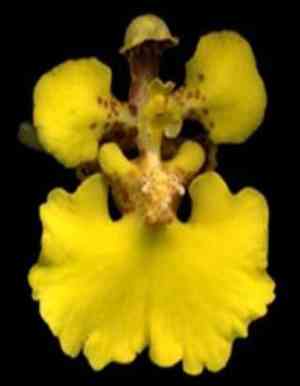
The Yellow Fringed Orchid makes a splendid contribution to any garden with its remarkable look.
2
It offers considerable environmental advantages through its role in drawing in pollinators.
3
Growing Yellow Fringed Orchid helps boost biodiversity and sustain regional ecosystems.
What Makes Yellow Fringed Orchid Unique?
Aesthetic Appeal
A primary reason horticulturists are drawn to the Yellow Fringed Orchid is its striking visual charm. Its vivid yellow petals and fringed blossom structure make it a prominent feature in any garden. Gardeners often position it as a focal point in landscapes, where its distinct appearance can attract notice and admiration. Its flowers not only beautify the garden but also serve as a conversation starter for guests and fellow plant enthusiasts.
Ecological Significance
Yellow Fringed Orchid plays a vital role in maintaining environmental equilibrium. As an indigenous plant, it has evolved to flourish under specific conditions while supporting local flora and fauna. This plant attracts various pollinators, including bees and butterflies, which are crucial for the health of garden ecosystems. By incorporating Yellow Fringed Orchid into your garden, you contribute to the sustenance of these essential pollinators, which in turn aids other plants and crops in the vicinity.
How Can Yellow Fringed Orchid Improve Biodiversity?
Supporting Native Wildlife
By cultivating Yellow Fringed Orchid in your garden, you provide a sanctuary for indigenous wildlife. Birds, insects, and small mammals are naturally drawn to this plant, finding sustenance, refuge, and nesting spots among its foliage and blossoms. This helps foster a biodiverse environment that can thrive without excessive human intervention. A biodiverse garden is not only more resistant to pests and diseases but also more sustainable in the long term.
Enhancing Soil Health
Yellow Fringed Orchid contributes to soil vitality in multiple ways. Its deep root systems help aerate the soil, facilitating improved water penetration and nutrient absorption. Furthermore, the plant's natural growth cycle introduces organic matter into the soil as fallen leaves and flowers decompose. This organic material enriches the soil, promoting the growth of other plants and reducing the need for chemical fertilizers.
What Are the Cultivation Tips for Yellow Fringed Orchid?
Ideal Growing Conditions
To maximize the benefits of Yellow Fringed Orchid, understanding its preferred growing environment is crucial. This plant thrives in well-drained soils with moderate moisture levels. It favors partially shaded areas but can endure full sunlight if the soil remains damp. Ensuring these conditions will help the plant establish a robust root system and produce healthy, vibrant blooms.
Maintenance and Care
While Yellow Fringed Orchid is relatively low-maintenance, certain care practices can enhance its growth and longevity. Consistent watering, especially during dry periods, is essential for maintaining its health. Applying mulch around the plant's base can help retain soil moisture and suppress weed growth. Additionally, periodic removal of spent flowers can encourage new blooms and extend the flowering season.
Can Yellow Fringed Orchid Be Used in Landscaping?
Garden Design
Yellow Fringed Orchid can be an integral component of various landscaping designs, from cottage gardens to more formal arrangements. Its distinctive flower structure and bright color make it suitable for both mass plantings and individual features. Combining Yellow Fringed Orchid with other native plants can create a harmonious and visually appealing garden that supports local biodiversity.
Container Gardening
For those with limited space, Yellow Fringed Orchid can also be cultivated in pots. This allows gardeners to enjoy its beauty and advantages even in urban settings. When planting in containers, ensure the use of well-draining potting mix and position the container in a spot that receives adequate sunlight. Regular irrigation and occasional fertilization will help keep container-grown plants healthy and vibrant.



