How to Prune Yellow Fringed Orchid?
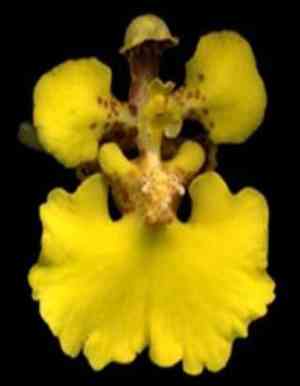
This impressive indigenous orchid, yellow Fringed Orchid, featuring brilliant yellow blossoms, flourishes with very little trimming, mainly for eliminating faded flower stalks and withered leaves once blooming concludes. Perform pruning in the latter part of summer or early fall to stimulate fresh development. It is vital to avoid cutting into live plant material, given that yellow Fringed Orchid accumulates energy within its foliage. Proper trimming improves the plant's well-being and could boost the quantity of flowers in the subsequent season, necessitating precise cuts to avert the spread of pathogens.
What Are the Benefits of Pruning Yellow Fringed Orchid?
What Are the Benefits of Pruning Yellow Fringed Orchid?
Trimming yellow Fringed Orchid encourages robust development by eliminating dead or congested growth, facilitating improved air circulation and light penetration. It also aids in maintaining the desired form for aesthetic appeal and garden design integration.
What Is the Best Time for Pruning Yellow Fringed Orchid?
What Is the Best Time for Pruning Yellow Fringed Orchid?
During late spring and early summer, yellow Fringed Orchid is actively growing, which allows it to recover from pruning and reallocate its energy to new growth effectively. This timing also precedes the typical flowering period of yellow Fringed Orchid, which occurs in mid to late summer. Pruning in this window minimizes the risk of cutting off developing flower buds and ensures the plant's energy is not wasted on already spent or damaged foliage. The complex lifecycle and conservation status of yellow Fringed Orchid should be considered, with conservative trimming to remove only damaged or diseased tissue, thus maintaining the plant's overall health and vitality.
What Tools Do I Need to Prune Yellow Fringed Orchid?
Fine-pointed scissors
These are perfect for accurate cuts when deadheading or shaping yellow Fringed Orchid, offering precision without harming the delicate blooms.
Tweezers or forceps
Crucial for removing spent flower stalks and dead leaves from yellow Fringed Orchid without disturbing the rest of the plant.
Spray bottle with alcohol
Used to sanitize pruning tools before and after use to prevent the spread of disease to yellow Fringed Orchid.
How to Prune Yellow Fringed Orchid
Sanitation
Sterilize your pruning tools before starting to prevent spreading diseases to yellow Fringed Orchid. Use a solution of one part bleach to nine parts water or rubbing alcohol to clean the blades.
Remove diseased leaves
Carefully prune away any diseased leaves from yellow Fringed Orchid, cutting at the base of the leaf stalk. Ensure to remove the entire leaf, including any discolored or damaged tissue.
Remove withered leaves
Identify and trim off withered or old leaves that are no longer productive by cutting at the base where the leaf meets the stem. This helps yellow Fringed Orchid focus energy on new growth.
Remove diseased stems
Cut back any diseased stems on yellow Fringed Orchid to healthy tissue, ensuring that the cut is made just above a node or a set of leaves to promote healthy regrowth.
Cleanup
After pruning, clean up all trimmings and dispose of them away from yellow Fringed Orchid to minimize the risk of disease spread. Clean and sterilize your tools again after finishing.
Common Pruning Mistakes with Yellow Fringed Orchid
Overpruning
Cutting back too much of yellow Fringed Orchid's foliage can be detrimental. These plants have a delicate balance and removing too many leaves can reduce their ability to photosynthesize, weakening the plant.
Improper cleaning
Using unclean pruning tools can introduce pathogens to yellow Fringed Orchid. It's essential to sterilize cutting instruments before use to prevent disease spread.
Wrong cut location
Making cuts too far from the node or into the node can damage yellow Fringed Orchid. Cuts should be made close to the base of the spent flower stem to encourage new growth without harming the plant.
Pruning live flower spikes
Removing live, healthy flower spikes can prevent yellow Fringed Orchid from blooming. Only prune flower spikes after they have finished blooming and started to wither.
Ignoring diseased material
Failing to remove diseased or dead material can harm yellow Fringed Orchid's health. Prune away any material showing signs of disease immediately, to prevent it from spreading.
Common Pruning Tips for Yellow Fringed Orchid
Sterilize tools
Sterilize pruning tools before and after trimming yellow Fringed Orchid to prevent the spread of disease. You can use a solution of bleach or rubbing alcohol for this purpose.
Cutting technique
Use sharp, precise tools to make clean cuts on yellow Fringed Orchid. This minimizes damage and allows for quicker healing.
Post bloom pruning
Prune the flower spikes of yellow Fringed Orchid once they have withered and are no longer visually appealing. This redirects energy to healthy growth and potential re-blooming.
Healthy growth removal
Even healthy tissue may occasionally need removal to shape yellow Fringed Orchid or to reduce overcrowding. Carefully assess and cut only the necessary parts without overpruning.
Disease management
Regularly inspect yellow Fringed Orchid for signs of disease or pests and prune affected areas promptly. Dispose of any removed diseased material properly to prevent further contamination.



