How Much Sunlight Do Pale pink-sorrel Need?
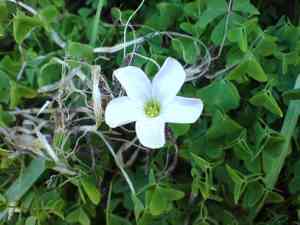
1
Pale pink-sorrel thrives in direct sunlight but can endure some dappled light.
2
Too much sun exposure may result in burned foliage.
3
Insufficient light can cause Pale pink-sorrel to become elongated and duller.
Optimal Sunlight for Pale pink-sorrel
Full Sun vs. Partial Shade
For Pale pink-sorrel, full sun is the best light, meaning it flourishes with over 6 hours of direct sunlight daily. Under these conditions, expect robust growth and vivid pink blooms. However, if consistent full sun isn't possible, don't worry. Pale pink-sorrel is quite adaptable and can endure partial shade, though it might not be as luxuriant.
Morning Sunlight
Pale pink-sorrel greatly benefits from the gentle morning sun. The softer morning rays aid photosynthesis without the harsh effects that can occur later in the day. If feasible, orient your plant to face east to take advantage of morning light.
Afternoon Sunlight
Afternoon sunlight is more intense and can sometimes be excessive for Pale pink-sorrel. If your plant is exposed to strong afternoon rays, consider providing some partial shade during these hours. This can be achieved by relocating the plant or using shade cloths to diffuse the light.
Recognizing Correct Sunlight Exposure for Pale pink-sorrel
Signs of Insufficient Light
If your Pale pink-sorrel isn't receiving enough sunlight, you'll likely observe etiolated growthâmeaning the plant becomes stretched as it seeks light. Additionally, its leaves may appear pale, and flowering might be minimal or absent.
Signs of Excessive Light
Conversely, too much sunlight can be detrimental. Look for indications like leaf scorch, where the leaf edges turn brown and brittle. This clearly shows the plant is getting more sun than it can handle.
Adjusting Light Conditions
Adjusting your Pale pink-sorrel to its ideal lighting isn't hard. If underexposed, gradually move the plant to a brighter spot, ensuring slow acclimation to prevent shock. For overexposure, consider moving the plant to a slightly shadier spot or providing temporary shade during peak sun hours.
Best Practices for Positioning Pale pink-sorrel Indoors and Outdoors
Ideal Indoor Locations
Indoors, place your Pale pink-sorrel near a south or east-facing window to ensure ample sunlight. If natural light is still insufficient, consider using supplemental grow lights.
Optimal Outdoor Spots
Outdoors, aim to plant your Pale pink-sorrel where it receives morning sun and afternoon shade, if possible. An east-facing garden or a spot beneath a deciduous tree can be perfect locations.
Using Artificial Light
If natural lighting proves difficult, artificial lighting can be very helpful. Use full-spectrum grow lights to mimic the sunlight your Pale pink-sorrel requires. Position the artificial light above the plant and keep it on for approximately 12-14 hours daily.
Seasonal Sunlight Requirements for Pale pink-sorrel
Spring and Summer Needs
During spring and summer, your Pale pink-sorrel will thrive with as much sun as you can provide. This is its main growth period, and sufficient sunlight promotes blooming and healthy foliage.
Fall and Winter Needs
In fall and winter, sunlight intensity and duration decrease. Move indoor plants closer to windows to maximize light exposure. For outdoor plants, clear any obstructions that might block sunlight, such as fallen leaves or other debris.
Adapting to Seasonal Changes
Being flexible with seasonal changes is crucial. As seasons shift, regularly assess the lighting conditions. Rotate your plant often to ensure even light exposure and consider temporary use of artificial lights when natural sunlight is inadequate.



