The Pale pink-sorrel Plant Advantage: Maximizing Home and Office Appeal and Wellness
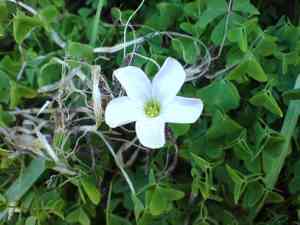
1
Pale pink-sorrel flourishes in full sun and partial shade, offering adaptability for diverse garden settings.
2
The foliage of Pale pink-sorrel possesses a tart taste and can be incorporated into numerous recipes for extra tang.
3
Pale pink-sorrel serves as an excellent groundcover, inhibiting soil degradation and fostering robust garden environments.
What Makes Pale pink-sorrel a Versatile Garden Plant?
Adaptability to Sunlight Conditions
A key advantage of Pale pink-sorrel is its capacity to adapt to various light exposures. Whether your garden receives ample sun or partial shade, Pale pink-sorrel can flourish and retain its vibrant appearance. This flexibility makes it a dependable option for diverse garden settings, minimizing concerns about its placement.
Low Maintenance Needs
Another significant advantage of Pale pink-sorrel is its minimal care requirements. This plant does not demand extensive attention, making it suitable for both seasoned gardeners and beginners. Consistent watering and occasional trimming are typically sufficient to keep Pale pink-sorrel healthy and thriving. Its hardiness allows for a lush garden with little effort.
Ground Cover and Soil Protection
Ground cover plants are vital for preventing soil erosion, and Pale pink-sorrel excels in this role. Its dense foliage effectively covers the soil, lessening the impact of heavy rainfall and wind. This not only safeguards your soil from erosion but also keeps it rich and fertile by retaining moisture and organic matter.
Can Pale pink-sorrel Enhance Your Culinary Creations?
Edible Leaves with Unique Flavor
Pale pink-sorrel is notable for its edible leaves, which possess a tangy, citrusy taste. These leaves can be a delightful addition to salads, soups, and other culinary dishes, imparting a fresh zest to your meals. By cultivating Pale pink-sorrel in your garden, you gain immediate access to a distinctive ingredient that can elevate your cooking.
Nutritional Benefits
Beyond their unique flavor, Pale pink-sorrel leaves offer certain nutritional advantages. They are rich in vitamin C and can contribute to your daily nutrient intake when consumed in moderation. While not a primary food source, they can serve as a healthy and flavorful supplement to your diet, enhancing both taste and nutrition.
Tips for Growing Pale pink-sorrel Successfully
Pruning and General Care
Periodic pruning helps maintain the plant's form and encourages robust growth. Remove any dead or damaged foliage to prevent disease and improve air circulation. With these straightforward care practices, Pale pink-sorrel can thrive and become a beautiful yet practical element of your garden.
Optimal Soil Conditions
For optimal growth, Pale pink-sorrel prefers well-draining soil. Ensuring your garden soil has good drainage will help prevent root rot and other common issues. Incorporating organic compost can also boost soil fertility, providing Pale pink-sorrel with the nutrients it needs to flourish.
Watering Practices
While Pale pink-sorrel is relatively low-maintenance, proper watering is essential for its well-being. It thrives best with regular irrigation during dry spells, but be careful not to overwater. Allowing the soil to dry out slightly between watering sessions can help prevent waterlogging and promote ideal growth.
How Does Pale pink-sorrel Benefit Your Garden Ecosystem?
Attractive to Pollinators
Gardening enthusiasts understand the importance of attracting pollinators like bees and butterflies. Pale pink-sorrel not only beautifies your garden with its pale pink blooms but also acts as a magnet for these crucial insects. Pollinators are vital for garden health, as they assist in the reproduction of other plants, leading to a more vibrant and diverse ecosystem.
Companion Planting Benefits
Pale pink-sorrel can also serve as an excellent companion plant. When grown alongside other species, it can aid in pest control and improve the overall health of your garden. Its presence can deter certain pests while attracting beneficial insects, fostering a balanced and flourishing garden environment.



