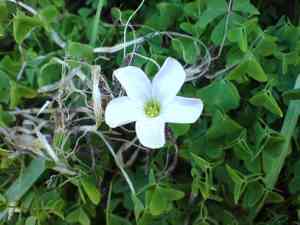
Pale pink-sorrel (Oxalis incarnata)
Also known as: Pale Wood-Sorrel, Sorrel, Lilac oxalis
Pale pink-sorrel flowers feature outward-flaring petals, distinguishing them from those of the wood sorrel. Originally from South Africa, this plant has gained popularity as an ornamental species across the globe. Its green, heart-shaped leaves are edible but should be eaten in moderation because of their high oxalic acid content.
In This Article
Attributes of Pale pink-sorrel
Lifespan
Perennial
Plant Type
Herb
Plant Height
20 cm
Spread
40 cm
Leaf Color
Bright to dark green
Flower Size
2.5 cm to 5 cm
Flower Color
Pink White
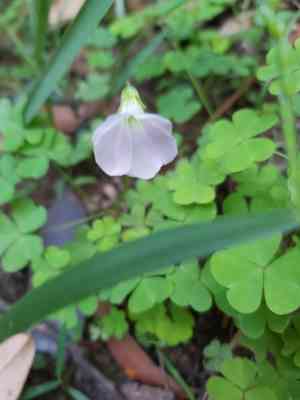
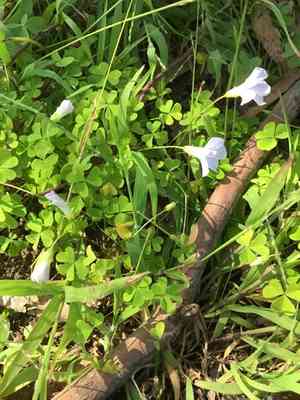
Images of Pale pink-sorrel


Quickly Identify Pale pink-sorrel
1
Oxalis incarnata can be identified by its three-part clover-like leaves and pink flowers. The flowers typically have five petals and are delicate and small in size. The leaves are usually a bright to dark green and have a trifoliate arrangement.
Scientific Classification of Pale pink-sorrel
Phylum
Vascular plants
Class
Dicotyledons
Order
Oxalidales
Family
Wood sorrel
Genus
Wood sorrels
Species
Pale pink-sorrel
Planting and Growing of Pale pink-sorrel
Care Difficulty
Easy
Watering Schedule
Every 3 days
Sunlight Requirements
Partial sun
Sunshine Duration
4-8 hours
Ideal Temperature
60-75℉
Soil Type
Potting Mix, Peat Mix
Soil pH
6.5-7.5
Fertilizer Type
Balanced
Pruning Season
Spring, Summer
Pruning Area
Branches, Leaves
Pruning Frequency
2 times a year
Repotting Season
Spring
Pot Type
Plastic, Ceramic
 How to Water Pale pink-sorrel?
Oxalis incarnata prefers its soil to be kept lightly moist, but never waterlogged. A good rule of thumb is to water with about 250ml of water until the excess just begins to drain from the bottom of the pot. This ensures that the roots are adequately hydrated while preventing root rot.
What are the symptoms of an underwatered Pale pink-sorrel?
›
What should I do if my Pale pink-sorrel is not getting enough water?
›
What are the symptoms of an overwatered Pale pink-sorrel?
›
How to save an overwatered Pale pink-sorrel?
›
 What Are the Sunlight Requirements for Pale pink-sorrel?
Oxalis incarnata prefers partial sun or full shade, allowing it to flourish with moderated light. Such conditions help maintain vitality, vibrant color, and prevent stress-related damages from excessive brightness.
More About Sunlight Requirements Techniques→
What is the best light condition for growing Oxalis incarnata?
›
How can I achieve the ideal light setup for Oxalis incarnata?
›
What are the benefits of providing ideal light to Oxalis incarnata?
›
 What Is the Ideal Temperature Range for Pale pink-sorrel?
The ideal temperature range for Oxalis incarnata growth is between 60°F and 75°F. This range ensures optimal photosynthesis and cellular function, enabling the plant to thrive without experiencing stress from environmental conditions.
 What Soil is Best for Pale pink-sorrel?
Oxalis incarnata thrives in well-drained soil as it prevents root rot, ensures adequate oxygen flow, and maintains root health. This is crucial in ensuring the vibrant pink blooms appear consistently throughout the growing season. This plant does not require highly fertile soil but benefits from moderate nutrient levels which support healthy foliage and vibrant flowering. An overly rich soil could lead to excessive leaf growth, overshadowing the ornamental blooms. Although well-drained, the soil should retain some moisture to prevent the plant from drying out during hot periods. Sandy loam is particularly effective, keeping the plant hydrated while avoiding waterlogging.
 How to Fertilize Pale pink-sorrel?
For Oxalis incarnata, apply liquid fertilizer at a concentration of 1/2 strength every two weeks during the growing season. Be cautious not to overfertilize as this can lead to root burn.
 How to Prune Pale pink-sorrel?
Start by identifying any dead or yellowing leaves and use your pruning shears to cut them off at the base. This helps the plant direct energy to healthier parts. Trim the outer stems of the plant gently to maintain a bushy appearance and promote fuller growth. Focus on uneven or overly long stems. To encourage new growth, pinch back the tips of young, healthy stems. This will promote branching and a denser plant structure.
More About Pruning Techniques→
 How to Propagate Pale pink-sorrel plant?
1
Select a healthy, non-flowering stem and cut a section about 10-15 cm long just below a node. Remove the lower leaves to prevent decay and promote better rooting.
2
Fill a seed tray with a well-draining potting mix, scatter the seeds evenly, and cover them lightly with soil. Keep the tray moist and place it in a warm, bright area.
3
Carefully remove the plant from its container, shake off excess soil, and gently separate the roots into smaller sections, each with several stems. Replant the divisions promptly into fresh potting mix.
 How to Repot Pale pink-sorrel plant?
1
Oxalis incarnata needs repotting when you notice significant root-bound conditions or the soil's drainage is compromised. Signs like roots growing through the drainage holes or the soil drying out too quickly mean it's time for a bigger pot.
2
Select a pot that is 1-2 inches larger in diameter than the current one. Opting for slightly larger pots prevents waterlogging and ensures the roots have ample space to grow, which promotes healthy foliage and blooms.
3
Use a well-draining potting mix, preferably a sandy loam or a mix designed for cacti and succulents. Such soil conditions mimick its natural habitat, preventing root rot by allowing efficient water drainage and air circulation to the roots.
Toxicity
Ingestion
WARNING
The judgment on toxicity and danger is for reference only. We DO NOT GUARANTEE any accuracy of such judgment. Therefore, you SHALL NOT rely on such judgment. It is IMPORTANT TO SEEK PROFESSIONAL ADVICE in advance when necessary.
Learn More About Pale pink-sorrel Diseases
Anthracnose
Bacterial Leaf Spot
Bacterial Soft Rot
Chemical Injury
Damping-off
Downy Mildew
Drought Stress
Fusarium Wilt
Gray Mold
Leaf Curl
Leaf Spot
Mosaic
Nutrient Deficiency
Nutrient Toxicity
Powdery Mildew
Root Rot
Root-knot Nematode
Rusts
Sooty Mold
Spider Mites
Temperature Stress
Thrips Damage
White Mold



