How to Prune Pale pink-sorrel?
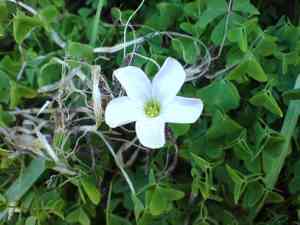
Distinguished by its fragile, light pink blossoms and trefoil-like leaves, pale pink-sorrel thrives in adequately drained earth and moderate sunlight. To sustain its vitality and aesthetic, snip off deceased or frail stalks during the entire cultivation period. Prioritize revitalization in early spring by eliminating aged foliage. Gentle cuts in summer stimulate fresh flowering, whereas autumn trimming readies pale pink-sorrel for its winter rest. Consistent shaping prevents excessive growth, fosters air movement, and boosts bloom output, contributing to the plant's general well-being.
What Are the Benefits of Pruning Pale Pink-sorrel?
What Are the Benefits of Pruning Pale Pink-sorrel?
Trimming pale pink-sorrel promotes vigorous development and abundant blossoms by directing energy towards flower production. Regular cutting helps maintain its desired shape, enhancing pale pink-sorrel's visual appeal and garden design. This practice also supports strong health, reducing pest and disease risks.
What Is the Best Time for Pruning Pale Pink-sorrel?
What Is the Best Time for Pruning Pale Pink-sorrel?
Pruning pale pink-sorrel in early spring helps remove any winter-damaged leaves, fostering healthy new growth as the plant enters its active season. Early summer trimming can help shape the plant and manage its spread, especially after the initial growth spurt. Late fall is also suitable for light pruning to prepare pale pink-sorrel for winter, removing spent flowers or excess growth that could harbor pests or diseases. These periods align with pale pink-sorrel's dormant and active growth phases, ensuring pruning doesn't hinder flowering and maintains plant vitality and health.
What Tools Do I Need to Prune Pale Pink-sorrel?
Bypass Hand Pruners
Perfect for making clean cuts on the soft stems of pale pink-sorrel, ensuring minimal harm to the plant's tissues.
Precision Snips
Useful for deadheading and trimming delicate areas of pale pink-sorrel, allowing for accuracy without disturbing nearby foliage.
Gardening Shears
Appropriate for shaping and managing the spread of pale pink-sorrel, particularly when dealing with overgrown clumps.
How to Prune Pale Pink-sorrel
Disinfect Tools
Before pruning pale pink-sorrel, sanitize all cutting tools with alcohol or a bleach solution to prevent the spread of diseases.
Remove Diseased Leaves
Carefully inspect pale pink-sorrel and cut away any diseased leaves at the stem's base using sharp, sterilized scissors or secateurs.
Trim Withered Leaves
Identify withered or yellowed leaves on pale pink-sorrel and gently snip them off at the base to encourage healthy growth and improve air circulation.
Deadhead Flowers
Pinch or snip off the faded flower heads of pale pink-sorrel just below the flower base to encourage a second flush of blooms.
Clean Up
After pruning pale pink-sorrel, clear away all removed plant material from the surrounding area to prevent fungal growth and potential re-infection.
Common Pruning Mistakes with Pale Pink-sorrel
Over-Pruning
Removing too much foliage from pale pink-sorrel at once can weaken the plant and hinder its growth. It's crucial to be conservative and only prune what is necessary.
Improper Tool Use
Using dull or dirty pruning tools can damage pale pink-sorrel's delicate stems and potentially introduce disease. Always use sharp, clean tools for precise cuts.
Neglecting Deadheading
Failing to remove spent flowers can prevent pale pink-sorrel from producing new blooms. Deadheading is vital for encouraging continuous flowering throughout its blooming season.
Disregarding Plant Shape
Random or excessive cutting without considering the natural shape of pale pink-sorrel can result in an unattractive and unhealthy plant. Prune with the plant's form in mind.
Ignoring Diseased Parts
Not removing diseased or damaged parts of pale pink-sorrel can allow the problem to persist or spread. Affected areas should be pruned immediately to promote plant health.
Pruning At Wrong Growth Stage
Pruning pale pink-sorrel while it is actively producing new shoots can cause stress and reduce vigor. It's important to prune pale pink-sorrel when it will not interfere with its natural growth cycle.
Common Pruning Tips for Pale Pink-sorrel
Selective Thinning
Remove only the necessary parts of pale pink-sorrel, focusing on dead flowers and damaged foliage to encourage healthy growth without impacting the plant's overall vigor.
Clean Cuts
Make clean cuts close to the base of the affected area to minimize damage and encourage quick healing. Ensure your cuts are angled to allow water to run off and reduce the risk of disease.
Disinfect Tools
Before and after pruning pale pink-sorrel, always disinfect your tools to minimize the risk of transmitting pests or diseases between plants.
Gradual Approach
For a densely overgrown pale pink-sorrel, rather than severe pruning all at once, take a gradual approach, trimming it back over the course of a few seasons for better health and appearance.
Monitor Plant Response
After pruning pale pink-sorrel, monitor it for new growth. This feedback will inform future pruning and whether any adjustments need to be made in technique or timing.
Consistent Maintenance
Regularly inspect pale pink-sorrel for dead or damaged foliage, and perform light pruning as needed. This practice maintains the plant's structure and promotes year-round health.



