Enhancing Your Garden Design with the Pale pink-sorrel Plant: A Landscaping Guide
1
Pale pink-sorrel flourishes in full sun and partial shade, offering flexibility for diverse garden placements.
2
Consistent upkeep and periodic attention are crucial for maintaining Pale pink-sorrel's optimal appearance year-round.
3
Interplanting with Pale pink-sorrel can boost its aesthetic appeal and overall vitality.
Grasping the Function of Pale pink-sorrel in Garden Design
Discover the Visual Charm of Pale pink-sorrel
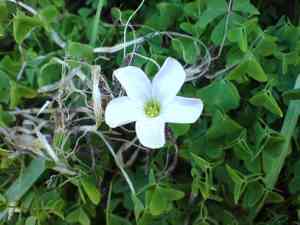
A primary characteristic of Pale pink-sorrel is its captivating allure. Featuring delicate pale pink blossoms and vibrant green leaves, Pale pink-sorrel provides a calming visual appeal that can enhance any garden area. It imparts a gentle, romantic feel that complements numerous other garden components. Whether for a rustic garden or a contemporary landscape, Pale pink-sorrel can be an excellent addition, offering a subtle burst of color without overwhelming other flora.
Identifying Optimal Landscape Styles for Pale pink-sorrel
When selecting the appropriate landscaping style for Pale pink-sorrel, consider environments that can emphasize its understated elegance. Cottage gardens, for example, benefit from Pale pink-sorrel's wild, sprawling growth habit. Conversely, it can also find a place in more structured garden designs as an edging plant or groundcover. The key is to utilize Pale pink-sorrel in ways that highlight its inherent beauty, blending it with plants that complement its delicate attributes.
Advantages of Including Pale pink-sorrel in Garden Plans
Integrating Pale pink-sorrel into your garden schemes offers several benefits. Its hardiness and ease of cultivation make it a low-maintenance choice for busy gardeners. Furthermore, Pale pink-sorrel can aid in preventing soil erosion due to its spreading nature. Its flowers can draw in pollinators, which is advantageous for the overall health of your garden. When planted extensively, Pale pink-sorrel forms a visually pleasing carpet of color that can transform garden spaces.
Selecting the Ideal Spot for Pale pink-sorrel
Light and Shade Needs for Pale pink-sorrel
Pale pink-sorrel is highly adaptable regarding light conditions. It flourishes in full sun but can also endure partial shade. Achieving the correct balance is crucial. Excessive shade might hinder its flowering potential, while too much intense sun can stress the plant. Aim for a location where Pale pink-sorrel receives morning sunlight and some afternoon shade to ensure its vitality.
Soil Type Preferences for Peak Development
Soil quality plays a vital role in the well-being of Pale pink-sorrel. It favors well-draining soil with a slightly acidic to neutral pH. While Pale pink-sorrel can adjust to various soil types, providing rich, loamy soil will encourage robust growth and abundant blooms. Amending soil with organic matter like compost can boost its fertility, guaranteeing that Pale pink-sorrel receives all necessary nutrients.
Companion Planting with Pale pink-sorrel
Best Partner Plants for Pale pink-sorrel
Companion planting can significantly improve the appearance and vitality of Pale pink-sorrel. Consider pairing it with other low-growing perennials such as lavender or thyme. These plants not only complement Pale pink-sorrel visually but also share similar growing requirements. Taller plants like ornamental grasses can provide an attractive backdrop, accentuating the carpet-like effect of Pale pink-sorrel below.
How Companion Planting Benefits Pale pink-sorrel
Companion planting with Pale pink-sorrel provides several advantages. It can create a more dynamic and layered garden aesthetic while ensuring better ground coverage. Moreover, companion plants can act as natural deterrents to pests, reducing the need for chemical interventions. By selecting suitable companions, you can establish a balanced ecosystem that supports the health and vigor of Pale pink-sorrel.
Caring for Pale pink-sorrel for Lasting Beauty
Fundamental Care Guidelines for Pale pink-sorrel
Keeping Pale pink-sorrel looking its best requires minimal effort. Consistent watering, especially during dry spells, is essential to maintain its lush appearance. However, avoid overwatering, as this can lead to root rot. Removing spent flowers will encourage new blooms and help preserve its form. Fertilize your plants moderately with a balanced fertilizer to promote healthy development.
Seasonal Care Advice for Year-Round Appeal
Seasonal care is vital for Pale pink-sorrel to remain attractive throughout the year. In the spring, apply a layer of mulch to help retain moisture and suppress weeds. Summer care involves regular watering and checking for pests. In autumn, trim back any dead or overgrown sections to prepare the plant for winter. During winter, if you reside in a colder climate, consider covering Pale pink-sorrel with a light mulch to shield it from frost.
Creative Design Concepts Featuring Pale pink-sorrel
Establishing Focal Points Using Pale pink-sorrel
Pale pink-sorrel can be effectively utilized as a focal point in landscape design. Plant it in clusters around garden elements like birdbaths, statues, or garden seating to draw attention and create a beautiful visual anchor. Its soft pink tones can offer a gentle contrast to harder landscape components, making your garden more inviting.
Integrating Pale pink-sorrel in Compact Areas
For those with limited garden space, Pale pink-sorrel offers excellent adaptability. Use it in containers or window boxes to bring a touch of nature to balconies, patios, or small urban gardens. Its compact size and trailing habit make it ideal for small space gardening, allowing you to enjoy its beauty without requiring a large plot of land.
Combining Aesthetics and Practicality
Incorporating Pale pink-sorrel into your garden not only enhances its appearance but also adds practical benefits. Use Pale pink-sorrel as a natural ground cover to reduce weed growth and soil erosion. Its ability to attract pollinators will keep your garden ecosystem thriving. By blending the aesthetic appeal of Pale pink-sorrel with its practical advantages, you create a garden space that is both beautiful and functional.



