How Much Sunlight Do Water snowflake Need?
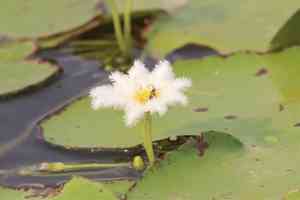
1
Water snowflake flourishes in abundant sunshine, needing more than 6 hours of direct light each day.
2
Although primarily a full sun species, Water snowflake can endure some partial shade, particularly on warm afternoons.
3
Inadequate light exposure may result in dull foliage and diminished blooms for your Water snowflake.
Water snowflake's Sunlight Requirements
Optimal Sun Exposure
The Water snowflake is a heliophilic plant that flourishes best under full sun. This implies it needs at least six hours of direct, unfiltered solar exposure daily. Strong sunbeams aid in fostering robust development and vibrant blossoms. A garden pond or a sunny backyard spot would be perfect for your Water snowflake.
Partial Sun and Shade Adaptability
While Water snowflake prefers full sun, it also exhibits notable resilience to partial shade. During particularly hot summer afternoons, providing some light cover can prevent leaf burn. Areas with partial sun, where the plant gets morning sun and afternoon shade, can be advantageous, especially in regions with very intense sunlight.
Prime Locations for Water snowflake Cultivation
Ideal Garden or Pond Placements
One of the best places to cultivate your Water snowflake is within or around a pond. The plant can float and spread across the water's surface, receiving ample sunlight throughout the day. Ensure no large trees or structures obstruct the sunlight. In a garden, select a spot where water can easily collect to mimic the pond-like conditions the plant favors.
Indoor Placement Considerations
If you're thinking of growing Water snowflake indoors, maximizing light exposure is crucial. Position the plant near south- or west-facing windows for peak sunlight. Supplemental grow lights can be effective if natural light is insufficient. Furthermore, indoor ponds or aquariums with suitable artificial lighting can serve as a good habitat for the Water snowflake.
Impact of Improper Sunlight on Water snowflake
Indicators of Insufficient Sunlight
Insufficient sunlight in Water snowflake manifests through various signs such as pale foliage, elongated growth, and reduced blooming. Leaves may become smaller, and the plant's overall health declines, increasing disease susceptibility. Ensuring adequate light is vital for maintaining its health and aesthetic appeal.
Symptoms of Excessive Sunlight Exposure
Conversely, overexposure to intense sunlight can cause leaf scorching and brown edges, particularly during peak summer heatwaves. If you observe these symptoms, it might be wise to offer some afternoon shade or move the plant to a slightly less exposed area. Balancing sun exposure ensures the plant remains lush and thriving.
Strategies for Modifying Water snowflake's Sunlight Exposure
Utilizing Shade Cloths or Garden Structures
Adjusting Water snowflake's sunlight exposure can be effectively managed using shade cloths or garden structures like pergolas. These tools help diffuse intense sunlight and provide relief during hot afternoons. Shade cloths are especially useful in garden ponds, where they can be placed over parts of the pond, protecting the plants beneath.
Seasonal Sunlight Adjustments
Seasonal changes necessitate modifications in the amount of sunlight your Water snowflake receives. During winter, ensure the plant gets maximum light by removing any coverings. In summer, provide midday shade to prevent overexposure. Being mindful of these seasonal shifts can help your plant adapt and flourish year-round.



