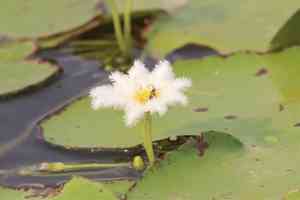
Water snowflake (Nymphoides indica)
Also known as: Banana plant
The Water Hyacinth is an aquatic plant native to Asia that typically floats on the surface of slow-moving water bodies, much like water lilies. While it usually doesn't root in the soil, during drought conditions, it has the ability to establish roots in the ground to survive until water levels are restored.
In This Article
Attributes of Water snowflake
Lifespan
Perennial
Plant Type
Herb
Plant Height
8 cm to 15 cm
Spread
30 cm to 60 cm
Leaf Color
Green (upper surface), Purple (lower surface)
Flower Size
1 cm
Flower Color
White Yellow
Images of Water snowflake
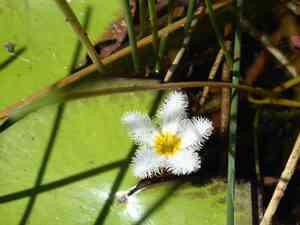
Quickly Identify Water snowflake
1
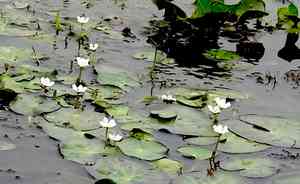
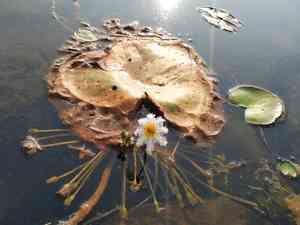
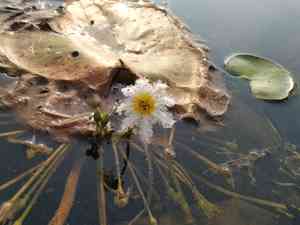
Identify Nymphoides indica by its floating, round to heart-shaped leaves that are green on top and purple beneath. The distinctive white flowers with fringed petals make it easy to recognize. It usually grows in slow-moving or still water.
Scientific Classification of Water snowflake
Phylum
Vascular plants
Class
Dicotyledons
Order
Asterales
Family
Buckbean
Genus
Nymphoides
Species
Water snowflake
Planting and Growing of Water snowflake
Care Difficulty
Easy
Watering Schedule
Every 12 days
Sunlight Requirements
Partial sun
Sunshine Duration
6-10 hours
Ideal Temperature
70-85℉
Soil Type
Potting Mix, Peat Mix
Soil pH
6.5-7.5
Fertilizer Type
Balanced
Pruning Season
Spring, Summer
Pruning Area
Branches, Leaves
Pruning Frequency
2 times a year
Repotting Season
Spring
Pot Type
Plastic, Ceramic
 How to Water Water snowflake?
Nymphoides indica thrives in aquatic environments, so it requires a generous amount of water. Ideally, the water should cover the plant entirely, mimicking its natural habitat. Thus, each watering session should aim to provide at least 500 milliliters, ensuring the soil remains consistently moist.
What are the symptoms of an underwatered Water snowflake?
›
What should I do if my Water snowflake is not getting enough water?
›
What are the symptoms of an overwatered Water snowflake?
›
How to save an overwatered Water snowflake?
›
 What Are the Sunlight Requirements for Water snowflake?
Partial sun to full sun is optimal for Nymphoides indica, ensuring adequate photosynthesis without harmful exposure. This balance promotes strong foliage and vibrant blossoms.
More About Sunlight Requirements Techniques→
What amount of sunlight does Nymphoides indica need?
›
What are some solutions to achieve ideal lighting?
›
How does ideal lighting benefit Nymphoides indica?
›
 What Is the Ideal Temperature Range for Water snowflake?
For optimal growth, Nymphoides indica thrives in a temperature range of 70°F to 85°F. This range provides the necessary warmth for proper metabolic processes and flowering, creating a stable and conducive environment for sustained growth.
 What Soil is Best for Water snowflake?
Nymphoides indica thrives in soils that retain moisture well, providing ample hydration to mimic its natural aquatic environment. This helps keep the plant lush and ensures optimal growth by preventing dry spells. The plant prefers nutrient-rich soils that offer a balanced supply of essential minerals. This enriches the plant's growth, boosts robust leaf development, and encourages prolific flowering. Adequate soil aeration for Nymphoides indica facilitates root respiration and promotes healthy root structure. This ensures the plant can absorb nutrients effectively, leading to vigorous growth and resilience.
 How to Fertilize Water snowflake?
For Nymphoides indica, it's crucial to maintain a balanced nutrient supply. Use a dilute liquid fertilizer solution, approximately 1/4 of the recommended strength, to prevent nutrient burn in this delicate aquatic plant. Apply equally to avoid any hot spots of concentrated nutrients.
 How to Prune Water snowflake?
Begin by observing the plant. Identify any dead, yellowed, or damaged leaves. Removing these will help the plant allocate resources more efficiently. Carefully trim back any excessive growth. Focus on maintaining an open structure to allow sunlight to penetrate and water to flow freely. Ensure leaves remain buoyant by trimming those submerged or unable to float properly. This helps in photosynthesis and nutrient exchange.
More About Pruning Techniques→
 How to Propagate Water snowflake plant?
1
First, collect seeds from mature Nymphoides indica plants. Soak the seeds in water for 24 hours before planting to enhance germination rates. Use clean seed trays filled with a quality seed starting mix.
2
Scatter the pre-soaked seeds evenly across the surface of the seed compost. Lightly cover them with additional compost. Keep the compost moist but not waterlogged and place trays in a warm, well-lit location.
3
For division, carefully lift the mature plant from the water or soil. Use pruning shears to divide the root clumps into smaller sections, ensuring each has foliage and roots. Replant the divisions promptly to reduce stress.
 How to Repot Water snowflake plant?
1
Nymphoides indica should be repotted when you notice overcrowding in its current container, or when its roots start to appear at the surface of the soil or through drainage holes. Spring or summer is typically the best time, as the plant is actively growing and can recover faster.
2
Select a pot that is slightly larger than its current one, ensuring it has adequate drainage holes. A pot that is only 1-2 inches larger in diameter will prevent excess soil from retaining too much moisture, which is crucial for avoiding root rot. This also allows the plant to focus energy on growth rather than on filling a vast amount of empty space.
3
Opt for a rich, loamy soil with a blend that retains moisture well, yet ensures excellent drainage. This type of soil will not only provide essential nutrients but also mimic the plant's natural habitat, helping it flourish in its new environment post-repotting.



