How to Prune Water snowflake?
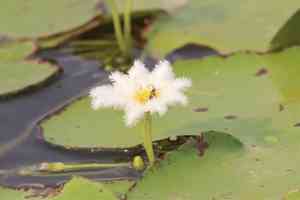
A buoyant aquatic perennial, water snowflake flourishes in ponds, displaying its star-shaped blooms. Throughout the period from spring to autumn, remove withered or discolored foliage and faded flowers to stimulate development and enhance appearance. Cut back roots and stolons to manage expansion and preserve vitality. This trimming also averts the decomposition of organic material in the water, fostering a wholesome aquatic habitat. Perform pruning with sanitized implements to avert the dissemination of pathogens. Consistent upkeep aids in preserving its decorative charm and ecological equilibrium.
Advantages of Trimming Water Snowflake
Advantages of Trimming Water Snowflake
Trimming water snowflake promotes more prolific flowering, contributes to its robust development, and helps maintain a desired form. Consistent cutting prevents overcrowding and ensures optimal light exposure and air circulation, crucial for the plant's well-being and appearance.
Optimal Time for Pruning Water Snowflake
Optimal Time for Pruning Water Snowflake
Pruning water snowflake in spring allows for the removal of any winter-damaged leaves and prepares the plant for new growth. Early summer pruning is beneficial for controlling water snowflake's growth during its most active period, reducing excessive foliage and maintaining its desired shape. Pruning in early fall is appropriate as it prevents potential damage from decaying plant material that could occur over winter, while still giving water snowflake sufficient time to recover before dormancy. These seasons align with water snowflake's growth cycle, as the plant is actively developing during these times, and pruning can stimulate healthier foliage and blooms. Pruning during these periods also minimizes stress on the plant, which is vital for its overall health and longevity. Avoiding late fall or winter pruning prevents the risk of new growth being harmed by cold weather, ensuring water snowflake is strong and ready to grow the following spring.
Necessary Tools for Pruning Water Snowflake
Long-handled pond net
To remove dead or floating leaves of water snowflake from the water's surface.
Aquatic plant scissors
These are designed to reach into the water and trim foliage or stems while standing on the bank. The extended handles help avoid disturbing the water and other aquatic plants.
Wading gear (waterproof boots or waders)
Useful for accessing water snowflake for close pruning or maintenance tasks while staying dry and comfortable.
How to Prune Water Snowflake
Sanitize tools
Before beginning, ensure all pruning tools are disinfected to prevent the spread of disease to water snowflake.
Remove diseased parts
Identify and carefully remove any diseased leaves from water snowflake using your fingers or scissors, taking care not to harm healthy sections of the plant.
Trim withered leaves
Cut away withered or yellowing leaves to encourage healthy growth and enhance the appearance of water snowflake, as these no longer benefit the plant's health.
Deadhead flowers
Remove spent flowers by pinching them off or using scissors, which encourages water snowflake to produce new blooms and helps prevent unwanted self-seeding.
Cleanup
Gather and dispose of all removed material from water snowflake to maintain a clean aquatic environment and prevent decay and potential fungal issues.
Common Pruning Errors with Water Snowflake
Excessive pruning
Removing too much foliage at once can shock water snowflake and hinder its ability to photosynthesize effectively, compromising its health and growth.
Imprecise cuts
Making jagged or torn cuts can lead to infections and poor healing in water snowflake. Clean, sharp cuts are essential to prevent damage.
Removal of healthy foliage
Mistakenly cutting away healthy leaves and stems can reduce the overall vitality and aesthetic appeal of water snowflake.
Ignoring dead material
Failing to remove dead or decaying material may encourage disease and deter new growth in water snowflake.
Pruning without cleaning tools
Using unsanitized tools can introduce pathogens to water snowflake, risking disease spread through the cuts made during pruning.
General Pruning Advice for Water Snowflake
Sharp tools
Ensure pruning instruments are sharp and clean before use to make precise cuts that will heal quickly and reduce disease risk.
Limit extent of pruning
Prune conservatively, focusing on removing only what's necessary to maintain the shape and health of water snowflake, preventing stress on the plant.
Target dead or dying foliage
Prioritize the removal of yellowed, withered, or dead foliage to boost the plant's appearance and vigor without impacting healthy growth.
Maintain plant structure
When pruning, aim to maintain the natural form of water snowflake, enhancing its growth pattern without altering its inherent structure.
Frequent inspection
Regularly inspect water snowflake for any signs of disease or dead material that needs to be pruned, which can help in early detection and remedy.



