How Much Sunlight Do American white water-lily Need?
1
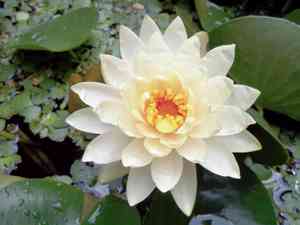
The American white water-lily flourishes optimally with ample sunlight, needing approximately 6 to 8 hours of direct solar exposure each day.
2
Too much sun can cause leaf scorching, whereas insufficient light may hinder development.
3
Placing your American white water-lily in the brightest area of your pond will promote peak growth and flowering.
Optimal Sunlight Conditions for the American white water-lily
Full Sun Exposure
The American white water-lily thrives in ample sunlight, being an aquatic plant that loves the sun. It flourishes with at least 6 to 8 hours of direct sun daily. Positioning the plant to absorb sufficient sunlight guarantees robust growth and abundant flowering. When its leaves and blooms are fully exposed, photosynthesis operates optimally, leading to healthy, vibrant plants.
Partial Shade Tolerance
While full sun is preferred, the American white water-lily can endure partial shade. In areas with intermittent shading, such as from trees during parts of the day, the plant may still grow but might produce fewer flowers. Partial shade can sometimes benefit plants in very hot climates by shielding them from the most intense midday sun.
Required Daily Sunlight for the American white water-lily
Daily Light Needs
For peak health, the American white water-lily needs a minimum of 6 to 8 hours of sunlight each day. This exposure level enables efficient photosynthesis, promoting growth and flower production. If your pond or water feature receives less direct sunlight, you might need to consider alternative placements or methods to boost light exposure.
Seasonal Light Fluctuations
Seasonal variations can affect the amount of sunlight your American white water-lily gets. During summer, the sun is higher, offering longer daylight hours suitable for this plant. Conversely, in winter, shorter days and lower sun angles may decrease its light exposure. While the American white water-lily is more active in warmer months, observing these seasonal shifts helps in adjusting care practices accordingly.
Impact of Insufficient or Excessive Sunlight on the American white water-lily
Indicators of Low Light
Inadequate sunlight can cause several problems for your American white water-lily. Early signs include smaller, pale leaves and reduced flowering. Since light is vital for photosynthesis, insufficient sunlight leads to stunted development and a less lively appearance. Leaves may turn yellowish, and the plant might seem sluggish.
Signs of Overexposure to Sun
Conversely, too much sunlight can create its own issues. Excessive heat and sun exposure can result in burnt or scorched leaves, appearing brown or crispy, especially at the edges. Overexposure can also overheat the water, stressing the plant and potentially causing dehydration or root damage.
Tips for Ensuring Optimal Sunlight for the American white water-lily
Placement in Water Feature
For best outcomes, place your American white water-lily in the sunniest part of your pond or water garden. Ensure no obstructions like overhanging branches or shade structures block its light. The center of a pond is often ideal, providing uninterrupted sunlight throughout the day.
Utilizing Shade Cloth or Structures
In extremely sunny or hot conditions, providing some protection can prevent harm. A light shade cloth or a temporary shading structure can shield against the harshest midday sun without significantly reducing the plant's overall light intake. Ensure the cloth only filters light, rather than completely blocking it.
Monitoring and Adjusting Light Levels
Regularly check your American white water-lily for signs of both too little and too much light. Make necessary adjustmentsârepositioning the plant or adding shadingâto maintain ideal conditions. Periodically observe for seasonal changes and respond promptly to keep light levels consistent.



