How to Propagate American white water-lily?
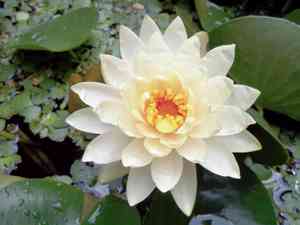
The preferred method for propagating american white water-lily involves utilizing its tubers. This process is most effectively carried out in the springtime and is regarded as relatively straightforward. Indicators of successful propagation encompass the emergence of new foliage. Maintain steady humidity and elevated temperatures to achieve the best outcomes.
Optimal Period for American White Water-lily Propagation
Propagation Method
Utilize The Tubers
Propagation Season
Spring
Tools Required for American White Water-lily Propagation
Sharp Knife
A keen-edged knife is crucial for precisely severing portions of american white water-lily's tubers for propagation. It ensures clean cuts without harming the tuber tissue, which is vital for new plant development. A cleaner cut reduces the likelihood of rot or disease during healing.
Gardening Gloves
Wearing gardening gloves safeguards the propagator's hands from potential irritants in water or soil and offers improved grip when handling the slick american white water-lily tubers. Gloves also minimize pathogen transfer between plants and to the propagator.
Pots and Aquatic Planting Media
Specialized containers for aquatic plants and suitable aquatic planting media are essential for american white water-lily propagation. They provide an ideal environment for the new tuber to establish and grow. The media must be dense enough to prevent floating yet allow for proper root development.
Watering Can with Soft Spray Attachment
A watering can equipped with a gentle spray attachment is important for carefully irrigating newly planted american white water-lily tubers. The soft spray ensures the media around the tuber is moistened without disturbance, which is crucial for the young plant's initial growth stages.
Pruning Shears
Pruning shears are necessary to remove any dead or decaying foliage from american white water-lily before propagation. This helps redirect the plant's energy to new growth and prevents potential disease from old foliage transferring to new plants.
Aquarium or Propagation Tank
An aquarium or propagation tank serves as a controlled environment where american white water-lily tubers can be submerged after planting. Such a tank allows for close monitoring of water conditions, like temperature and pH, which are critical for the health and growth of young plants.
How to Propagate American White Water-lily
Propagation Type
Use The Tubers
Difficulty Level
Easy
Caring for Your Newly Propagated American White Water-lily
Caring for Your Newly Propagated American White Water-lily
Post-propagation, maintain a shallow water level for young american white water-lily plants, gradually increasing it as they mature. Ensure the propagation site receives ample sunlight for optimal growth. Fertilize monthly during the growing season with a specialized aquatic plant fertilizer to encourage healthy foliage and blooms. Trim dead or fading leaves and flowers to stimulate new growth. Monitor for pests and diseases, treating them promptly to prevent spread. During winter or dormant periods, reduce watering and fertilizing, and if necessary, relocate the american white water-lily to a frost-free area.
Common Errors to Avoid When Propagating American White Water-lily
Overcrowding sections
Propagating american white water-lily by dividing rhizomes can lead to excessive density if too many sections are placed too closely. This can hinder growth due to competition for nutrients and sunlight, potentially resulting in stunted development or disease.
Insufficient substrate depth
When planting divided rhizomes, an inadequate depth of aquatic soil or substrate can cause american white water-lily rhizomes to dislodge or float, preventing proper establishment and growth.
Ignoring water quality
Using water with unsuitable chemical balances or contamination can negatively impact the roots and foliage of american white water-lily, impeding their growth and increasing susceptibility to diseases.
Tips For Propagating American White Water-lily
Adequate space allocation
When dividing rhizomes, ensure each american white water-lily section has sufficient room to spread roots and access nutrients without competition. This promotes a healthy, expansive growth pattern.
Proper anchoring
Securely embed divided american white water-lily rhizomes in aquatic soil with enough depth to prevent dislodgment by water currents or wildlife, ensuring stable growth conditions.
Attentiveness to water conditions
Regularly monitor and adjust the pH and cleanliness of the water where american white water-lily propagates to maintain optimal conditions for root and leaf development, and to deter diseases.



