How to Prune American white water-lily?
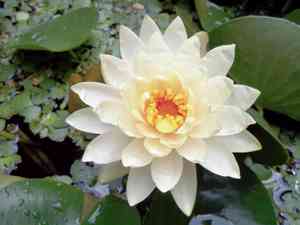
Gracing tranquil waters, the american white water-lily showcases aromatic flowers, highly prized for their decorative appeal. To encourage new development, snip off any withered or discolored foliage and faded flowers at their base. The ideal period for this trimming extends from early spring through late autumn. Consistent pruning preserves its visual appeal and well-being, fostering a greater abundance of flowers and averting decomposition that could compromise water purity. Eliminate aggressive runners to manage its expansion. Improved light exposure and a reduction in organic matter are primary advantages of maintaining american white water-lily.
What Are the Benefits of Pruning American White Water-lily?
What Are the Benefits of Pruning American White Water-lily?
Trimming american white water-lily promotes more prolific flowering and robust development, helping the plant keep a pleasing shape. It also prevents excessive growth that could hinder water circulation, crucial for pond well-being.
What Is the Best Time for Pruning American White Water-lily?
What Is the Best Time for Pruning American White Water-lily?
Early spring is optimal for pruning american white water-lily as the plant emerges from dormancy and before new growth starts, ensuring quick recovery and energy redirection into fresh development. Late fall aligns with the post-flowering period when american white water-lily begins dormancy, making it suitable for removing spent blooms and old foliage to maintain health and aesthetics without stressing the plant. These periods allow gardeners to avoid disrupting the flowering cycle and minimize disease or pest infestation risks that can arise from pruning during active growth in warmer months.
What Tools Do I Need to Prune American White Water-lily?
Long-handled pruners
These enable the gardener to reach into the water without getting wet, providing leverage to trim the foliage of american white water-lily.
Hand-held pruning shears
American white water-lily may require precise trimming of dead or yellowed leaves, which can be accomplished with these shears.
Aquatic plant scissors
Specifically designed for underwater use, these will cleanly cut through american white water-lily's stems without disturbing the aquatic environment.
Gloves
Waterproof gloves are advised to shield the gardener's hands from water and any aquatic organisms while pruning american white water-lily.
Disposal bag
A bag to collect and remove trimmed organic material to prevent decay in the water where american white water-lily grows.
How to Prune American White Water-lily
Step1: Identify Wilted Flowers
Locate the spent flowers on american white water-lily that have finished blooming and are starting to wither or have already withered. These are typically brown or have lost their structural integrity.
Step2: Cut Dead Flowers at Base
Carefully remove dead flowers by cutting them at the base where the flower stem meets the leaf or main stem. Use sharp, clean pruning shears or scissors for a precise cut.
Step3: Spot Yellow, Unhealthy Leaves
Look for yellow leaves that may indicate age, illness, or damage. Healthy leaves of american white water-lily are usually green and robust.
Step4: Prune Yellow Leaves at Base
Trim yellow leaves by cutting them away at the base of the leaf stem, close to the plant's rhizome to prevent rot and disease spread. Ensure not to harm any nearby healthy leaves or stems.
Step5: Dispose of Dead Plant Material
Properly dispose of all removed plant material to prevent the spread of any potential diseases or pests. Dead plant material should be taken out of the pond or water garden to maintain a healthy environment for american white water-lily.
Step6: Disinfect Pruning Tools
After pruning, clean your tools to prevent the transfer of any diseases or pests to other plants. Soak tools in a bleach and water solution or use rubbing alcohol for disinfection.
Step7: Monitor Plant Post-Pruning
Observe american white water-lily after pruning to ensure its continued well-being. Healthy regrowth should be visible in the following weeks if the plant receives adequate sunlight, nutrients, and clean water conditions.
Post-Pruning Care for American White Water-lily
Post-Pruning Care for American White Water-lily
Immediately after trimming american white water-lily, position the plant in partial sunlight to avoid stress from intense light. Maintain optimal water quality, preventing drastic temperature or pH changes. Apply a balanced aquatic plant fertilizer to aid recovery, adhering to the recommended dosage to prevent over-fertilization. Regularly inspect american white water-lily for discolored foliage or rot as these indicate distress or disease. Promptly remove any affected parts and adjust care as needed to ensure health.
Common Pruning Mistakes with American White Water-lily
Overzealous Pruning Hampering Photosynthesis
Trimming too aggressively, removing too many pads and hindering the american white water-lily's capacity to photosynthesize and store energy.
Incorrect Stem Cutting Near Rhizome
Cutting american white water-lily's stems and pads too close to the rhizome, which can stress the plant and create entry points for disease.
Ignoring Decay Leading to Disease
Neglecting to remove decaying or dead material, which can lead to water quality issues and foster disease within the american white water-lily.
Common Pruning Tips for American White Water-lily
Sterile Shears for Healthy Cuts
Use sanitized shears to cut yellow or brown pads at their base where they meet the stem, ensuring clean cuts to help prevent infection.
Thinning for Light and Air Flow
Focus on thinning out congested areas to improve light penetration and air circulation for the american white water-lily, aiming for a balance between open water and plant coverage.
Pruning Flowers for New Blooms
Trim spent flowers just below the water surface to encourage new blooms and maintain the appearance of the american white water-lily.



